An obstetrician-gynecologist is pushing back on persistent myths about hormonal birth control, saying most concerns around infertility, weight gain and the need for “detox” breaks are not supported by evidence.
In an interview with CTV Your Morning, Dr. Julie Thorne of Toronto’s Women’s College Hospital said common hormonal contraceptives, including pills, patches and vaginal rings, remain safe and effective options for many patients.
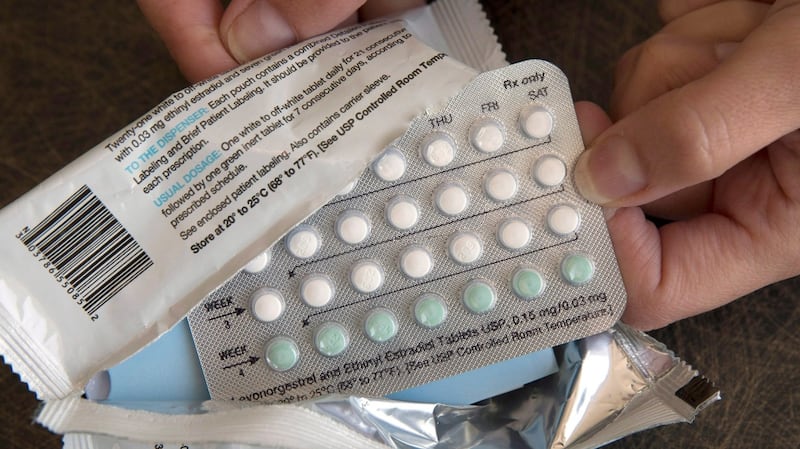
Common methods explained
“Probably the most well-known and most popular birth control is the birth control pill,” Thorne said, explaining that most pills contain a combination of estrogen and progestin and are taken daily, often with a short hormone-free interval that triggers a withdrawal bleed.
Other hormonal options include a weekly patch and vaginal rings changed about every four weeks. Longer-acting methods include implantable rods and intrauterine devices, or IUDs, which can be hormonal or non-hormonal and last between five and 10 years.
Infertility myth
Thorne said misinformation continues to circulate, particularly online, about whether hormonal birth control can cause infertility and influence decision-making.
“That’s absolutely false,” she said. “There’s lots of evidence that says once you stop that method, fertility returns.”
She noted a limited exception for an injectable contraceptive administered every three months, which may delay the return to ovulation but does not cause infertility.

Weight gain concerns
Concerns about weight gain are also largely unsupported, she said.
“There’s no evidence that any of the methods that I mentioned cause weight gain,” Thorne said, adding that the same injectable method has been associated with “up to about a 7.5 pound weight gain over two years,” though not in all users.
Mood swings
Mood changes, however, can differ from person to person.
“This is a lot more nuanced. The answer is like true and false,” Thorne said. “For some people, it has no effect on their moods, for others, it does.”
She said reported mood effects are generally modest and more commonly noted in teenagers, particularly in the first six months of use.
‘Detox’ breaks
Thorne also dismissed the idea that users need to periodically stop taking hormonal birth control.
“This is false,” she said. “But also there’s no health benefit for taking breaks.”
She added that stopping and restarting contraception may increase the likelihood of side effects and raise the risk of unintended pregnancy.
Accessing reliable information
Thorne encouraged people, particularly younger patients, to seek reliable information from credible sources and health professionals.
“A couple of websites that I love … one is called sex&U.ca,” she said, referring to a resource from the Society of Obstetricians and Gynaecologists of Canada. She also pointed to the U.S.-based site bedsider.org as another evidence-based option.
She said sexual health clinics can provide confidential care for those uncomfortable speaking with their primary provider.

