Carol Todd has been pushing for changes to Canada’s social media laws for nearly a decade and a half after her daughter, Amanda, became a victim of sextortion and relentless online bullying and committed suicide in 2012.
She was even one of dozens of attendees who took to Parliament Hill last Monday to push the federal government to retable an online harms act that would introduce new measures to protect children from online predators.
But after seeing the immediate aftermath of Australia’s social media ban, which has been in place for nearly five months, she questions whether completely prohibiting the use of social media for Canadian teens is the right approach.
“There’s a fear that kids will find other apps that may not be as popular to congregate in -- and now, as adults, we have no way to monitor or see that sphere,” said Todd in a Zoom interview with CTV News, arguing that the Australian ban doesn’t cover all of the ways teens can get online and be vulnerable to predators.
“The [Australian ban’s] focus wasn’t really on video gaming — and in the video gaming world, there’s a lot of hate, extremism, predatory behaviour and unsuitable communications that go on in that world,” she added. “Discord’s not blocked, Roblox wasn’t blocked, and those are known for predatory behaviour.”
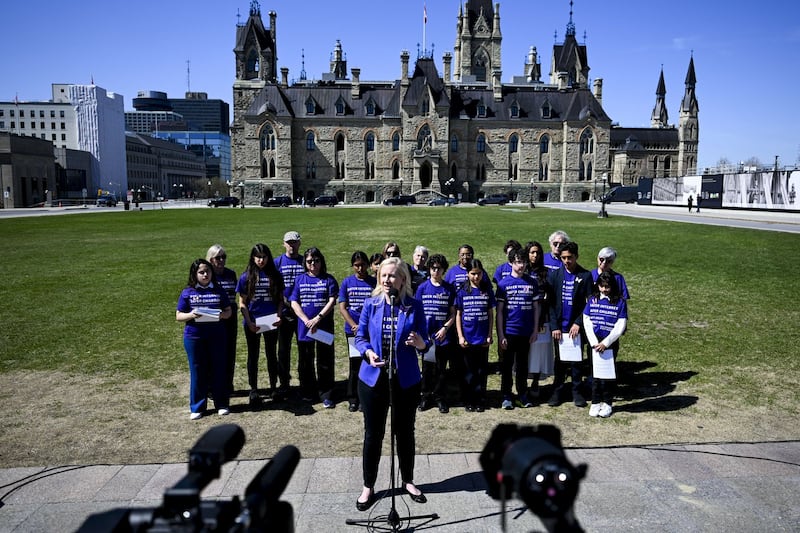
Todd believes a flat-out ban without any additional measures could instead entice teens to take part in social media activities with limited education and supervision, comparing it to underage drinking.
“We still have vaping of minors. We still have minors that smoke cigarettes. We have minors that drink alcohol,” she said.
Conservative MP Michelle Rempel Garner posted publicly last week, also casting doubt on bringing in a social media ban — arguing that kids will find ways around it and that it could limit their right to free speech.
“Young people are remarkably sneaky — and Australia’s social media ban has shown just how adept they are at circumventing age restrictions,” Rempel Garner said in her Substack post. “Teens have quickly turned to VPNs, shared family accounts and age falsification to keep using the platforms.”
“Major civil liberties organizations have noted that if designed the wrong way, age-based outright bans can fail constitutional scrutiny and could amount to unconstitutional censorship of protected speech,” she added.
A recent survey conducted by the Molly Rose Foundation shows that 61 per cent of Australian 12- to 15-year-olds still have access to one or more social media accounts — while government documents obtained by French news agency AFP show there was “no meaningful shift” away from big tech platforms like TikTok and Instagram.
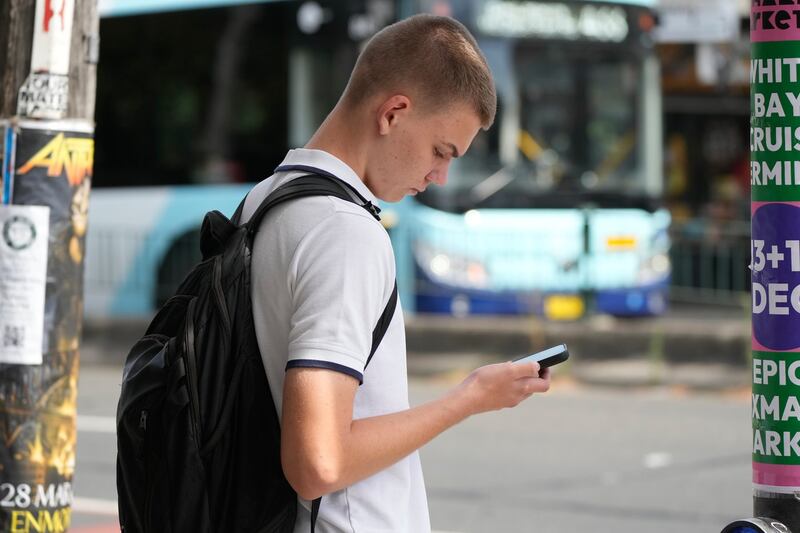
“Bans are easily bypassed. Kids are highly technical, technology savvy,” said tech analyst Carmi Levy in a Zoom interview with CTV News Sunday. “We’re seeing in Australia they’re using parents and older siblings, (as well as) government-issued IDs, to bypass age verification — so this is a highly imperfect way of ensuring kids stay safe digitally.”
Levy believes a standalone ban is not the best approach, but should be part of a larger framework.
“It’s an important first step in the conversation and it forces them to finally deal with something that we probably should have been dealing with, both as individuals and as a society years earlier,” he added.
‘Taking early action can be better than taking no action’
According to Todd Cunningham, a clinical psychologist and associate professor at the University of Toronto, five months isn’t long enough to see the potential positive effects of the social media ban in Australia.
He said social media ban creates “friction” — which in psychology and behavioural science is described as internal mental resistance that makes a decision a bit more difficult to initiate.
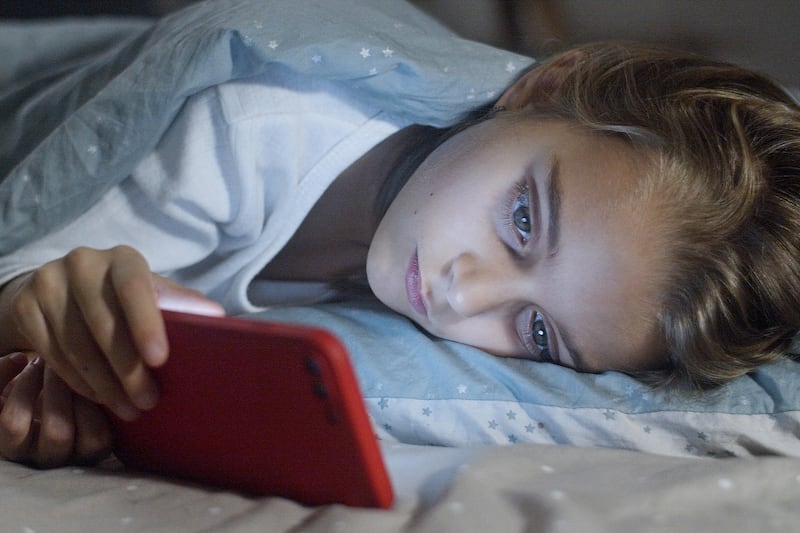
“So the ban kind of acts as a bit of impulse control, where it makes it harder for you just to jump on really quickly, to the platforms,” said Cunningham in an interview with CTV News Saturday.
“A lot of times students are very impulsive. Their brains are still developing and there’s a lot of impulse control that isn’t quite there yet -- so having these frictions there is really good,” added Cunningham, saying ‘friction’ also works with underage drinking, in that even though some youth do it, it creates more mental resistance to the act itself.
Jay Olson, a postdoctoral fellow in the department of psychology at the University of Toronto, said the ban would at least prevent the negative impacts of social media on teens’ developing minds while they figure out a better long-term and more nuanced solution.
“I think of it like layers of Swiss cheese,” said Olson in an interview with CTV News Saturday. “One layer would be like the regulation and it’ll have some holes in it, some kind of loopholes. But then there’s another layer that would be parent supervision. Another layer might be smartphone bans in schools and another layer might be like changing your phone settings ...
The more layers that you have, the more protection you get against these negative aspects of social media and smartphone use.”
Olson believes it could take five to ten years to figure out which solutions work best and which don’t.
“The option that we have right now is to try an imperfect solution and learn from that and be able to change it later on, or just kind of sit on our hands and wait -- and maybe in 5 to 10 years, the problem will be larger than it is now,” said Olson. “So I think sometimes taking early action can be better than taking no action.”

‘This is about a generational change’
Artificial Intelligence consultant Mohit Rajhans feels it’s not as simple as introducing a ban, but that the legislation needs to be better curated to adapt to how quickly social media is developing.
“The people that are at the table, that are creating some of these laws in this conversation are so far behind that they don’t even understand how quickly this technology has moved,” he told CTV News via Zoom Sunday.
Rajhans believes countries might be jumping the gun by banning social media for future generations who may benefit from the social and community elements of the apps.
“We’re creating a cluster for youth right now, and we’re not addressing it properly by just saying ban it for them,” he told CTV News. “The answer is, let’s go back to understanding how these are being used on a daily basis for what utility and then what we’re actually going to lead our next generation with. -- and some of that might include, you know, digital IDs for a different generation, standardized approach to how people can sign into things. Parents don’t even have a playbook right now.”
Parents who continue to advocate for a social media ban argue early signs it isn’t fully working reflect how entrenched current users are — and that future generations may find it easier to comply.
“This is about a generational change -- and that is going to take some time,” said Jenny Perez, founder of Unplugged Canada, a group created to delay smartphone use until age 14.
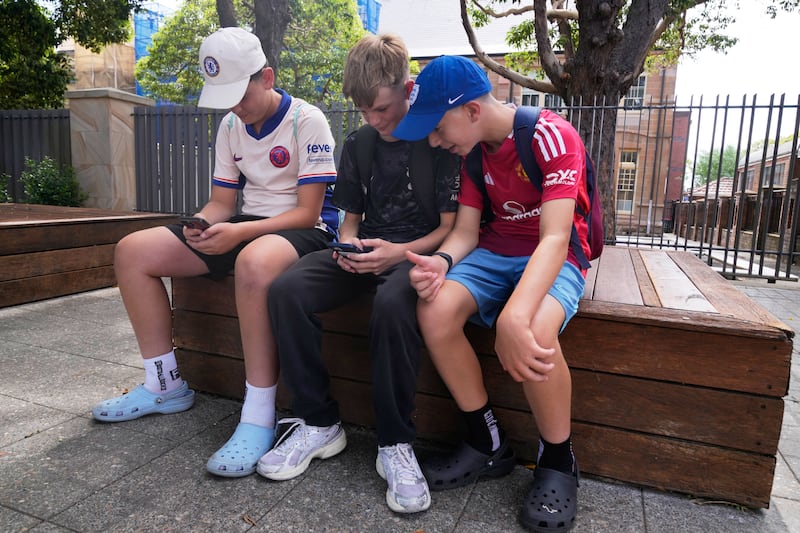
“More than anything, this is about changing societal norms, which take time. There are kids who are 14 or 15 (years old) that are going to be challenged by this. They are going to try to find ways around it, of course. But the ban is also sending a clear and simple message to families of kids that are younger — because we simply say that’s not allowed. Those who are 10, 11 or 12 years old, do not even see it as a possibility for them anymore.”
One thing Perez and Todd can agree on is education needs to be part of the online legislation moving forward.
“We need full systems and frameworks designed for students to help them understand the digital environment they are in,” Todd said. “We don’t want to just keep telling them ‘don’t do this’ because it’s bad.”
“We need digital literacy at school. We need to start soon, educating kids about the harms of this -- so it needs to be part of the curriculum,” added Perez.
In a statement to CTV News, the office of Culture Minister Marc Miller said no decisions have been made on a potential social media ban.
“We all want our children to be safe as they navigate the digital world, and platforms have an important role to play in meeting that challenge,” said press secretary Hermine Landry. “Our government intends to act swiftly to better protect Canadians, especially children, from online harm. No decisions have been made and we will have more details to share in due course.”

