U.S. liquor exports to Canada plunged by 63 per cent in 2025 after most provinces pulled American products from their shelves in response to tariffs, a U.S. industry group says.
The sharp decline underscores how retaliatory measures in the ongoing trade dispute are reverberating through the spirits sector, Chris Swonger, president and CEO of the Distilled Spirits Council of the United States, told the Section 301 Committee, an interagency body under the Office of the United States Trade Representative (USTR), on Wednesday.
“Even the threat of tariffs creates uncertainty, negatively impacting exports,” Swonger said in remarks to a U.S. trade panel, adding that “trade frictions” have caused domestic spirits sales to experience the first decline in decades and distilleries to shed nearly 1,000 jobs.
Canadian provinces and territories decided to restrict or halt sales of American-made alcohol after U.S. President Donald Trump imposed tariffs.
Most jurisdictions moved to remove U.S. alcohol from retail shelves entirely, though policies vary across the country.
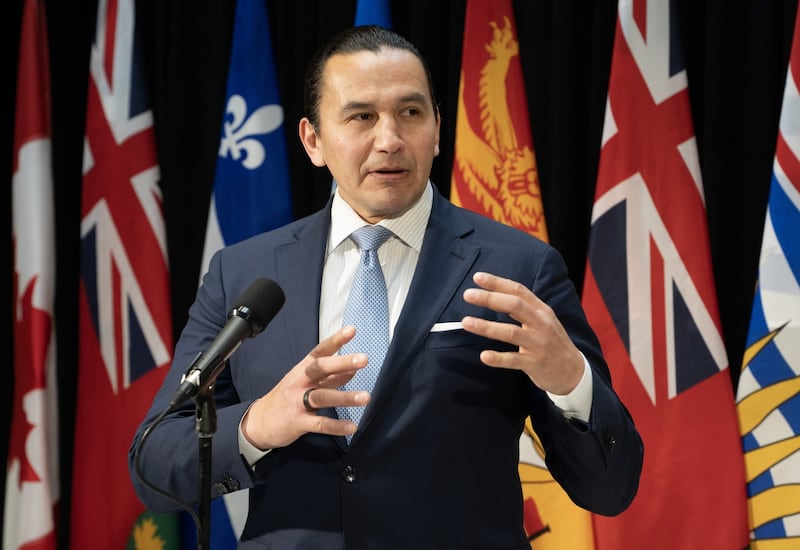
Provincial response
Ontario, for example, pulled American alcohol from Liquor Control Board of Ontario (LCBO) shelves. Quebec similarly halted sales and imports, while British Columbia expanded an initial targeted ban to cover all U.S. alcohol.
In Atlantic Canada, several provinces have opted to sell off remaining inventory and donate proceeds to charity. Nova Scotia and Prince Edward Island are among those redistributing profits from U.S. alcohol sales to food banks, while Newfoundland and Labrador pledged up to $1 million in donations tied to its remaining stock.
- READ MORE: Alcohol, ‘Buy Canadian’ policy flagged by U.S. as trade irritants: report
- READ MORE: Here’s how Canada is treating U.S. alcohol amid ongoing trade tensions
Some provinces have taken a more flexible approach. Alberta and Saskatchewan initially restricted U.S. imports but later allowed products back into stores, though both have encouraged consumers to buy Canadian where possible.
The U.S. government has already signalled concern over Canada’s provincial measures. In a recent report, the USTR said the U.S. wants its alcohol to “immediately and permanently” return to all markets.
Canadian officials have defended the moves as part of a broader response to U.S. tariffs.
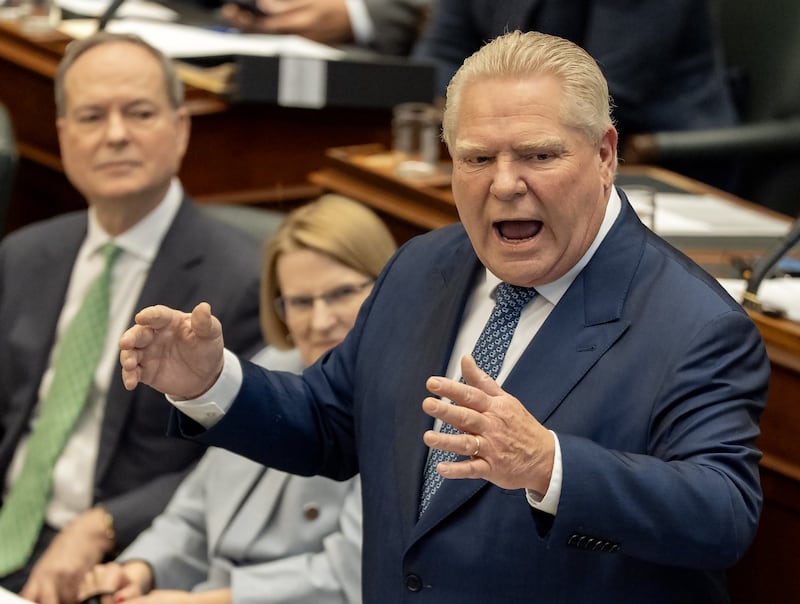
Ontario Premier Doug Ford said in April that he has no plans to restore American alcohol to LCBO shelves without a broader trade agreement in place.
“We have to wait until USMCA (Canada-United States-Mexico Agreement ) is renewed. I’m sorry folks, I don’t trust President Trump,” Ford said, emphasizing in a post on X later that “American alcohol will only go back on shelves when the U.S. removes its tariffs.”
Relations between Canada and the United States have been strained during Trump’s second term, amid tariffs and repeated remarks about annexation.
The Canada-United States-Mexico Agreement (CUSMA) is up for review this year, and both Canada and Mexico have said the priority is to maintain an agreement between all three countries.
With files from The Canadian Press and CTV News’ Joe Van Wonderen

