Researchers at the University of Waterloo (UW) have identified the remains of four more crew members of Sir John Franklin’s ill-fated expedition to find the Northwest Passage.
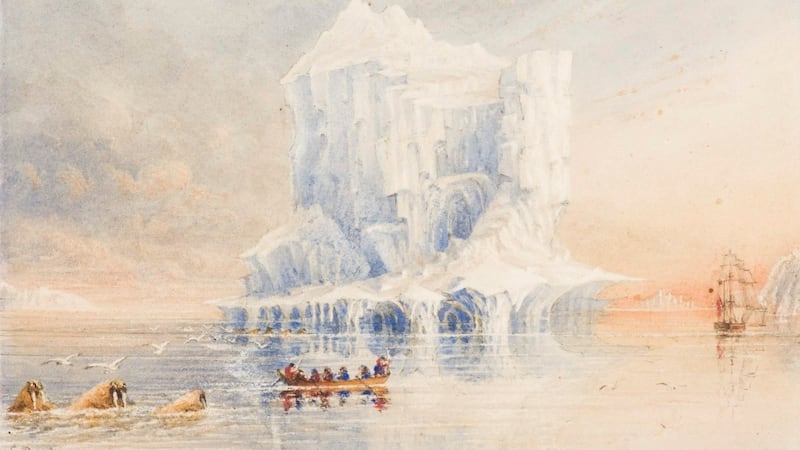
On May 19, 1845, HMS Erebus and HMS Terror left England in search of a route between the Atlantic and Pacific oceans. It was later determined that they wintered on Beechey Island, in what is now Nunavut, between 1845 and 1846. Then, the following September, the ships got trapped in the ice near King William Island.
They spent two winters there before 105 survivors walked away from the ships in search of help. Remains of the crew were later found on King William Island and Adelaide Peninsula. The wreck of the Erebus was discovered in September 2014, followed by the Terror in September 2016.
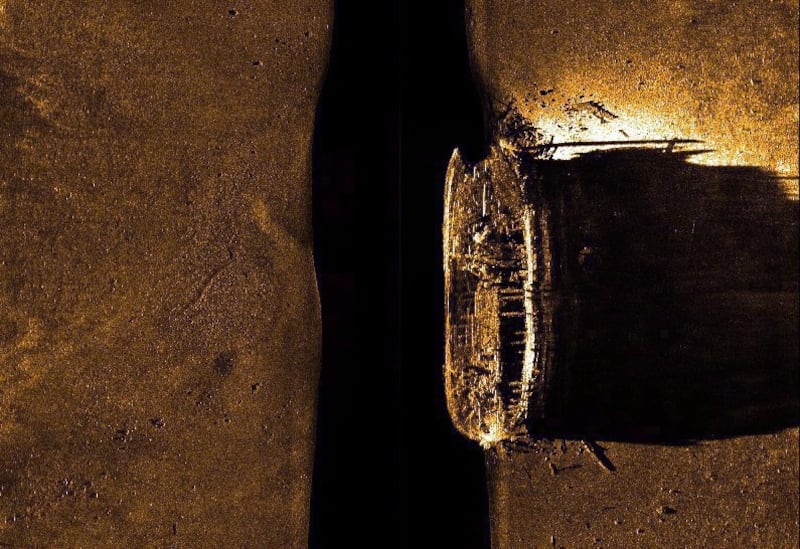
Anthropologists from UW have been working to identify those remains.
On Wednesday, they announced four more matches had been made. They said DNA samples had been extracted from skeletal remains and matched with living descendants.
“Three of the sailors we have identified are from HMS Erebus, and they all died at Erebus Bay,” Dr. Douglas Stenton, an adjunct assistant professor in UW’s department of anthropology, said in a media release. “The fourth, the only sailor from HMS Terror to be definitively identified by DNA analysis, was found 130 kilometres away.”
He was determined to be Harry Peglar, a 21-year-old captain of the foretop, who was responsible for rigging and sails on the ship.
“We did get a [DNA] match that turned out to be the great-great-granddaughter of Harry Pegler’s sister. In fact, it’s a perfect match. So, we were able to confirm that after about 167 years that it was, in fact, Harry Pegler.” Stenton
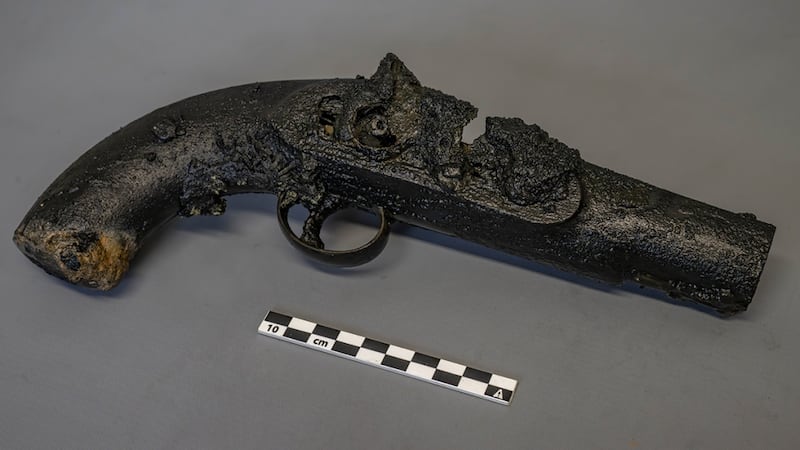
Peglar’s identity has long been the subject of debate. His papers were found on a body in 1859, including his seaman’s certificate, poetry and descriptions of the expedition. There was confusion, however, because the clothing did not match Peglar’s rank.
“He was a petty officer and yet, when his skeleton, his body, was found in 1859, he was dressed as a steward or an officer’s servant, which is a position and a rating, if you will, that Pegler has never held,” Stenton explained.
“It was interesting to conclusively identify this sailor because the body was found with almost the only written documents from the expedition ever found,” explained Dr. Robert Park, Stenton’s co-researchers and anthropology professor at UW.
Not only has that 166-year-old mystery been solved, but three other crew members have also been identified. William Orren was ranked an able seaman, David Young was listed as a Boy 1st Class, and John Bridgens, a subordinate officers’ steward.
“Their identification confirms that the three were among the crew who survived the first three years of the expedition and attempted to escape the Arctic,” UW’s release said.
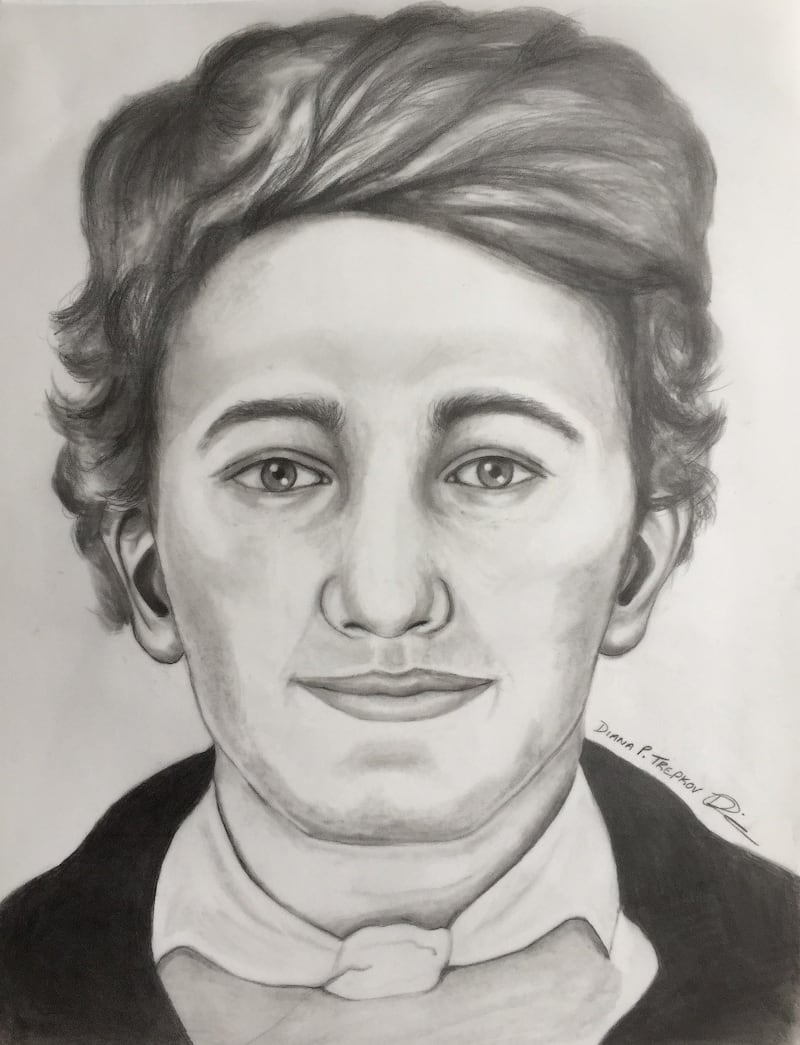
Rich Preston, a journalist with BBC News, was identified as one of the descendants of Bridgens.
He said Canadian researchers got in contact with his mother and asked for family DNA samples.
“And I thought, yeah, sure. Why not? In the name of science, it’s just a swab of my cheek. It doesn’t bother me too much. I got a package in the mail, did a little cheek swab, posted it back to Canada. And honestly, I thought that is the last I will hear of this,” Preston recalled.
Approximately a year later, he received a message from the researchers.
“It was such a huge surprise to hear from the team that my DNA was a match with one of the sailors on the doomed Franklin expedition,” he said. “I used to work on a genealogy show for the BBC that traced people’s fascinating family stories, and so to discover that there’s such an interesting tale in my own family’s past feels very exciting.”
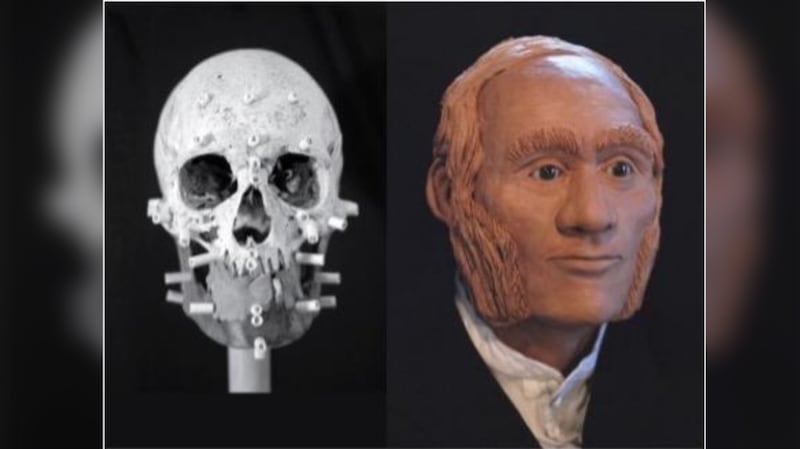
Six crew members of the Erebus have now been identified using DNA. The first was Engineer John Gregory in 2021, while confirmation of Captain James Fitzjames’ remains happened in 2024. His were the only bones that showed signs of cannibalism.
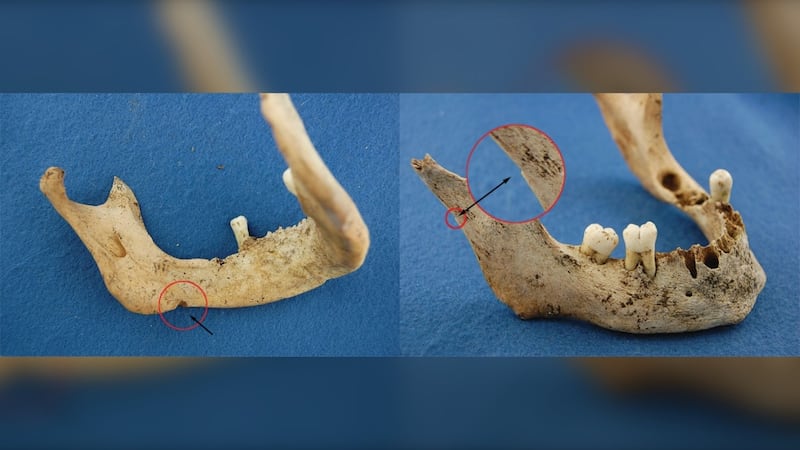
The anthropologists worked with Stephen Fratpietro from Lakehead University to extract and compare the mitochondrial and Y-chromosome DNA. Descendants are also being encouraged to contact the team to see if their DNA can help with identification.
“Our genetic work is opening a new chapter in the story of the Franklin expedition and the things that we might hope to learn from it,” Stenton said. “I think it’s quite appropriate that that chapter is helping to be written by the families of the men who never made it home.”

