LAKESIDE, Sask. – Leslie Fetter’s backyard looks more like a body of water after a late snowmelt flooded several parts of central Saskatchewan.
Fetter lives in the rural municipality of Lakeside, about 175 kilometres east of Saskatoon. The area is one of more than 20 communities under a local state of emergency due to torrent flooding.
“There’s concern. I mean, there’s a lot of water and you can’t control it,” Fetter told CTV News.
The water reached its peak over the weekend, submerging dozens of Fetter’s belongings. Vehicles, campers and machinery are all ruined.
“It was a mess,” he said. “There were a lot of things floating around. I lost a lot of things.”
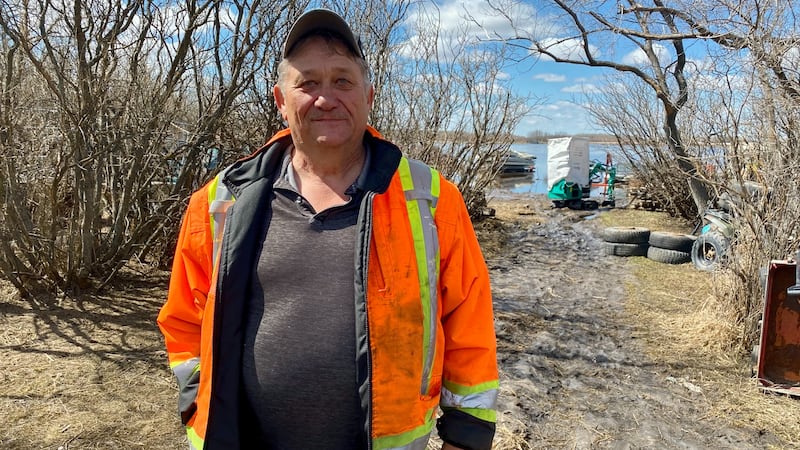
Fetter waded through the water to retrieve fuel barrels, tires and fence posts that had floated away in the current.
He’s managed to move some of his machinery, including snowmobiles, out of the water. The rest, he says, will have to stay where it is until the water recedes and the mud drives up.
Luckily, Fetter’s house was spared. The water stopped about 30 feet from his home.
He’s now taking inventory of everything damaged in the flood, hoping to get help from insurance and provincial disaster assistance to recover what was lost.
“It’s going to be a lot of work to get things back to where they were,” he said, recognizing the situation could have been much worse.
“Everybody’s still standing. The house is still here, and, like I said, now we can go fishing in the backyard.”
Saskatchewan has seen 28 floods this year, quadruple the five-year average. As of Wednesday afternoon, the province’s public safety agency was dealing with 20 active floods.
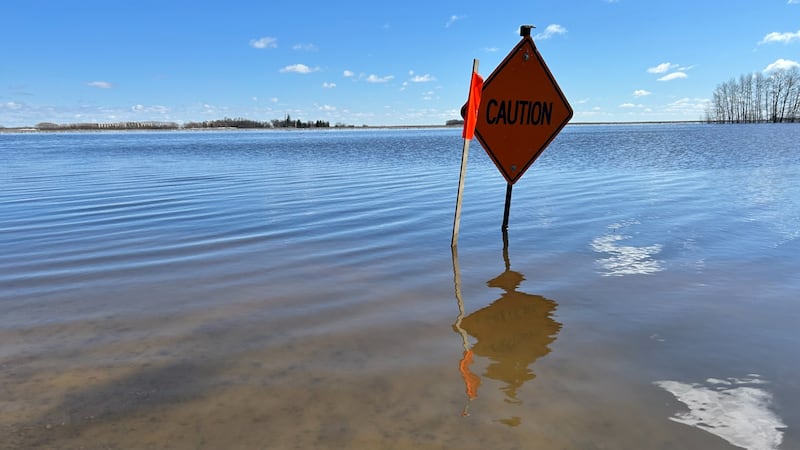
Record water levels have prompted evacuations on two Saskatchewan First Nations. In other areas, water has inundated farmers’ fields, flooded basements and ruined roads.
Floodwaters have damaged more than 50 roads in the area where Fetter lives, either washing them out or wrecking the culverts.
Jason Friesen, reeve of the rural municipality (RM) of Lakeside, said road closures created a maze of detours for many residents driving around the area.
In some cases, the detours added an extra 100 kilometres onto people’s commutes.
“It was a real struggle,” he said. “We were running around trying to find roads where people could get from home to town or kids to school.”
The RM has to wait for the water to recede before it can start repairing roads.
Friesen couldn’t say how much time or money it will take to restore the infrastructure that’s been damaged.
“It’s going to be a lot. There’s going to be some that just kind of get patched up to get through the season, and there’s going to be some that take more work,” he said.

