


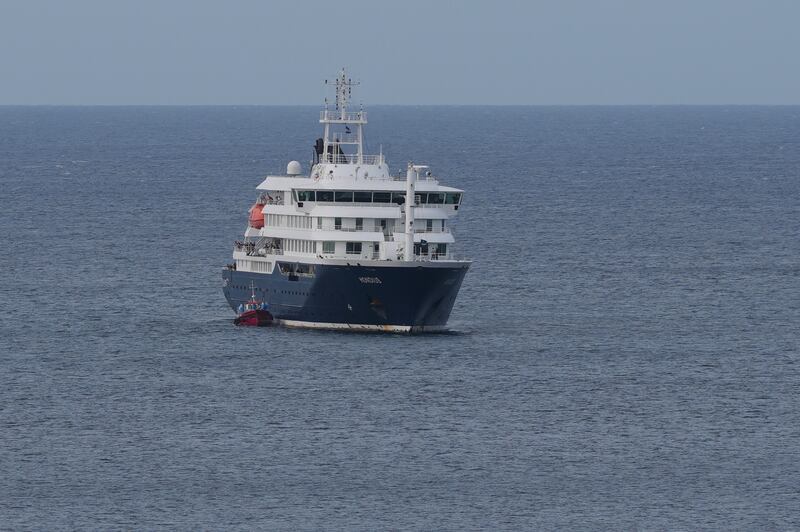
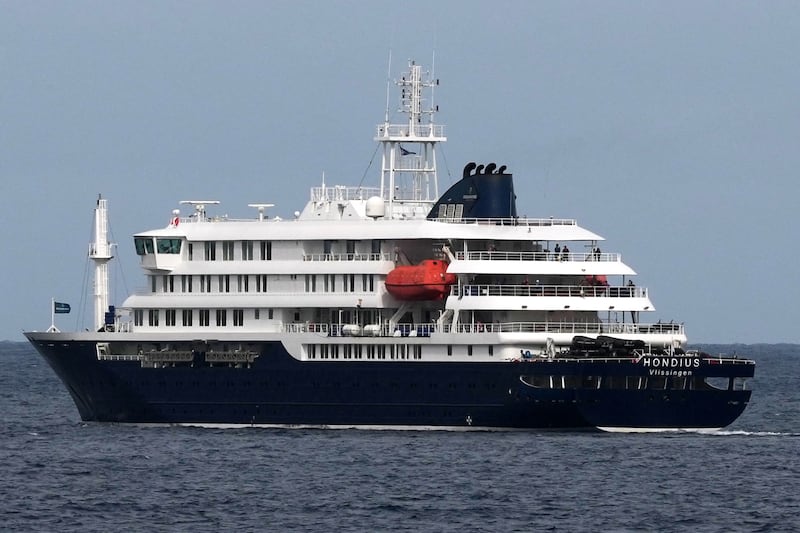
TORONTO — Before the world’s attention was captured by a disease outbreak that has killed three and sickened a handful of others on the MV Hondius cruise ship, many Canadians had never heard of hantaviruses.
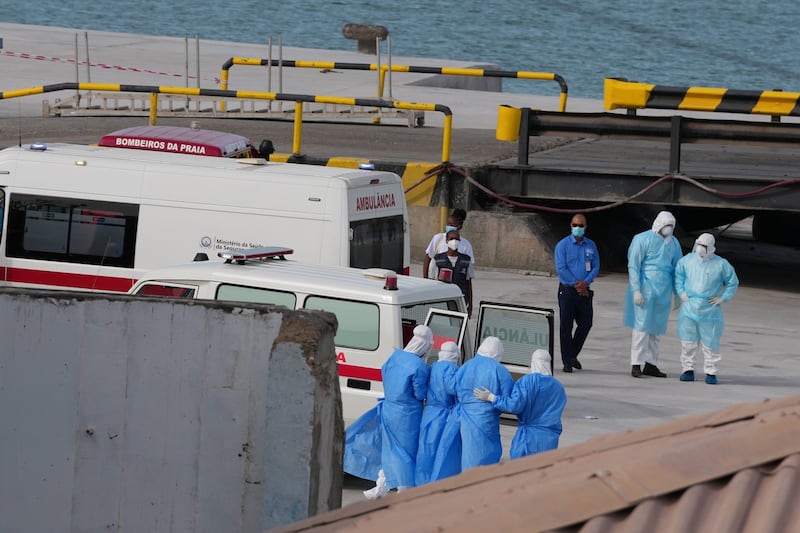
Two Canadians who were on board the vessel are isolating at home, along with a third Canadian who wasn’t on the ship but may have come into contact with a symptomatic individual, the federal government said Thursday. None of them have so far shown signs of infection, it said, noting that four more Canadians are still on board the ship.
There are a few dozen different hantaviruses, which originate in rodents, including mice and rats. Humans can be infected through contact with rodent droppings, urine or saliva. The only type of hantavirus known to spread from human to human — the Andes virus — is the one that hit the cruise ship.
- What’s the source of the hantavirus outbreak? Global effort underway. Live updates here.
- Health officials track dozens who left hantavirus-stricken ship after 1st fatality
The Andes virus is only found in South America and doesn’t exist in North America, said David Safronetz, chief of special pathogens at the National Microbiology Laboratory in Winnipeg, in an interview with The Canadian Press on Thursday
The laboratory is part of the Public Health Agency of Canada.
With an incubation period of one to eight weeks, monitoring the Canadians coming home for signs of Andes virus and acting on it quickly is “critical,” Safronetz said.
“I think as long as people do that, we remain at a low risk, both in Canada and really globally,” he said.
Human-to-human spread of Andes virus requires very close and prolonged contact, and usually occurs in partners, household contacts or medical staff who have spent a lot of time with the patient, according to the World Health Organization.
“I don’t think this outbreak is going to go much beyond contacts that were associated with that direct cruise ship itself,” Safronetz said.
But that doesn’t mean that Canadians shouldn’t pay attention to hantaviruses, because they can still be exposed to another type called Sin Nombre virus, which is carried by deer mice.
Sin Nombre virus causes the same illness, called hantavirus pulmonary syndrome (HPS), that Andes virus does.
“The situation on the cruise ship is extremely unfortunate, but it does serve as a good reminder that this is the season where we start to see cases of HPS in Canada,” Safronetz said.
That’s partly because spring is the time when people open their cottages or venture into sheds where mice are likely to be.
“It’s important to remember (that) just because you don’t notice rodents, it doesn’t mean they haven’t been there,” he said.
“If you are opening up outlying buildings, whether it’s a shed or a cottage (or a) cabin ... let it air out as much as you can. Open windows, open doors.”
If you see feces, spray them with a mild detergent or bleach solution and let them sit for awhile before sweeping or vacuuming them up.
“That will help inactivate the virus,” Safronetz said.
Wear a mask — preferably an N-95 mask — so you don’t inhale aerosolized particles of the feces, he said.
“That goes a long way to preventing HPS disease in humans.”
Hantavirus pulmonary syndrome is rare in Canada, he said, with about five to eight cases a year.
But there is also no antiviral medication for it and the mortality rate is about 30 per cent.
The majority of cases that have been detected in Canada have been in Alberta, Saskatchewan, Manitoba and B.C., Safronetz said.
Symptoms of hantavirus pulmonary syndrome often begin with tiredness, a fever or gastrointestinal symptoms, then progresses to respiratory distress.
Treatment for HPS is mainly supportive care, including pain management, maintaining fluids and helping patients to breathe — including using a ventilator if needed, according to the World Health Organization.
This report by The Canadian Press was first published May 7, 2026
Nicole Ireland, The Canadian Press

