MONCTON, N.B. – At 35, Meredith Martell was single, but really wanted to have a child.
At her first appointment to look into fertility treatments, she found out she had stage-four endometriosis with cysts on both of her ovaries.
“I ended up doing six rounds of IVF (in-vitro fertilization). Three of those were canceled. Three of those got eggs, but none of them were able to implant. So then, we made the switch to donor eggs, which was the best decision I ever made,” she said.
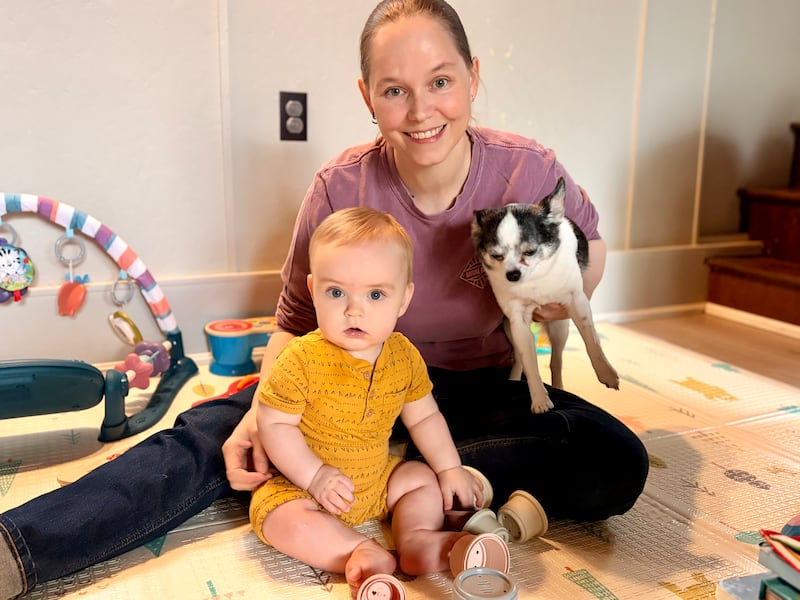
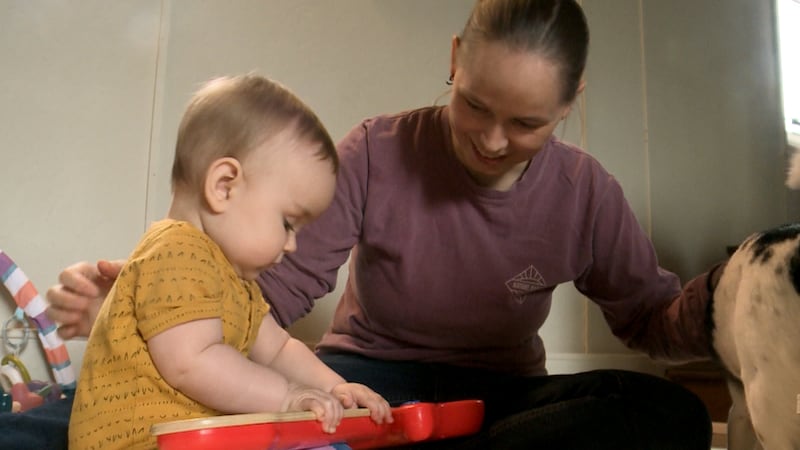
She got one good embryo. A year and a half later, six-month-old Oliver sits happily in her lap at her Moncton, N.B. home.
The whole process took five years and over $100,000 for Martell, who of course says it was all worth it.
“The second they passed him to me, I lost it. I was crying,” she said. “My mom was with me. We were both in tears. It’s just the best feeling. Like, you can finally breathe. It’s finally happened.”
The last, successful round of IVF for Martell was mostly covered by the New Brunswick government.
Last year, the Susan Holt government announced it would reimburse families up to $20,000 for one cycle of IVF or $10,000 for the cost of intrauterine insemination, or IUI, treatments.
That was an increase from the previous government’s support, of up to $5,000.
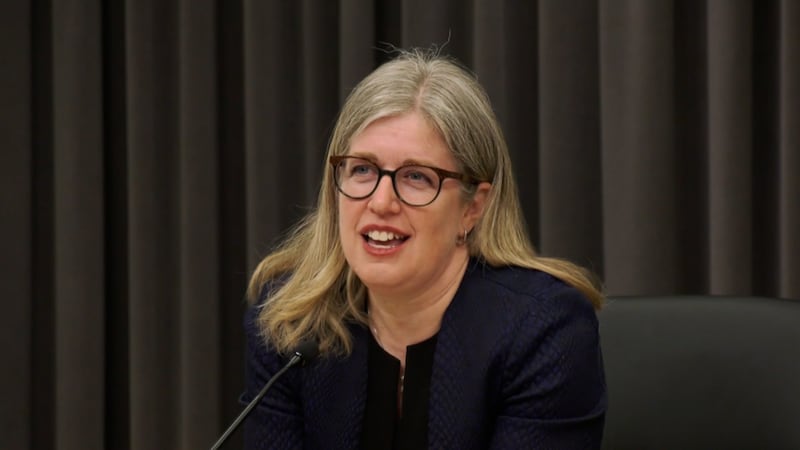
Holt was emotional during a news conference on April 29. Since the increase in funding, she said, 378 families have successfully applied, up from 154 the year before.
“As some of you may know, this can be an emotional journey and removing the burden and the question of the cost on the family, can take a real a real weight off people’s shoulders,” she said. “And I can’t tell you how much I love receiving messages from the families that have been able to complete their family through leveraging this program that we put in place.”
One in six women affected
Infertility affects one-in-six New Brunswickers, according to the province’s Department of Health.
For Martell, despite having spent a large amount of her own money, she said the program is a “step in the right direction,” and that she was incredible grateful for that $20,000.
“But I do think fertility care is health care. It should be covered,” she said. “I think it’s something that should be covered through Medicare or just better funded. Families are important.”
Fertility is a health issue, says specialist
The desire to have children is growing in Canada, according to data released last month by Statistics Canada. In 2021, 41 per cent of Canadians from all age brackets said they intend to have biological children at some point in the future. That grew to 46 per cent in the most recent data released from 2024.
But the same study notes that fertility rates in Canada have hit a record low at 1.25 children per woman, meeting the criteria of an “ultra-low” fertility country.
Dr. Nicholas Leyland, president-elect of the Society of Obstetricians and Gynaecologists of Canada, says some people still tend to see fertility differently than other health care issues. But because of the ultra low rate, Canadians should see it as an “investment in our population.”
“The cost is the big issue. Medications are expensive. The procedures are complex and require a lot of technology that is very expensive. So, all of these things make it extremely challenging for women and their families and their partners to be able to do this,” he said.
Nine provinces are providing some level of financial support, according to Dr. Leyland.
The other limitation, he says, is a shortage of primary care providers, gynecologists, obstetricians and fertility specialists to be able to see these patients, assess them and refer them for treatment.
Those shortages can cause long wait times, often over a year, which can be really difficult for families, he says.
“It’s difficult to put a number on it but we can say this, it is too long,” he said. “This is clearly a very serious and it is a health care issue that we fund to a degree. That’s part of the problem. But the wait times, … we’ve got to come up with a better way to deal with the issues that women present with.”

