WARNING: This article features details and images that some readers may find disturbing.
FREDERICTON, N.B. - Eran Jones spends her days trying to find the good out of the worst day of her life.
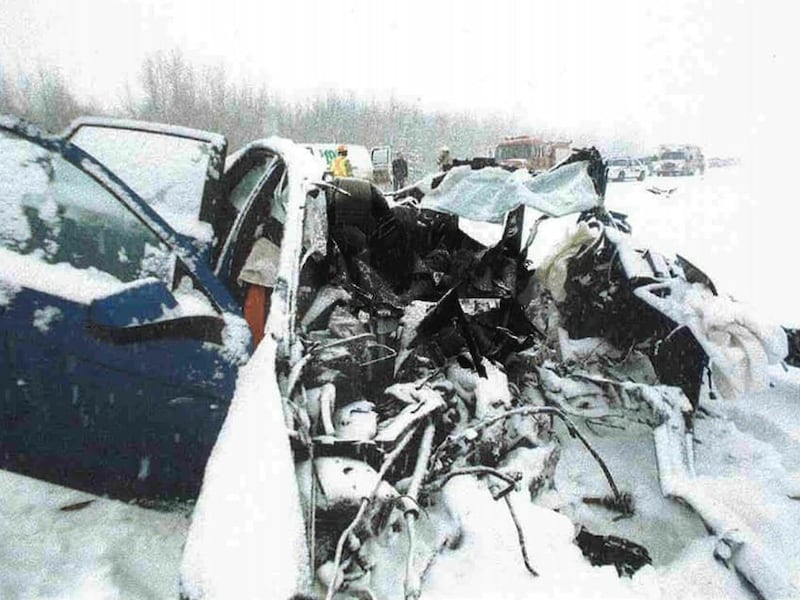
Thirteen years ago, the New Brunswick mom, her three children and sister-in-law, were driving along an Alberta highway when their car was struck head-on by a truck.
Two of her children, four-year-old Hailie, and 17-month-old Trent, died along with her sister-in-law, Christine Michaud. Jones and her son, Owen, survived the crash.
Jones said all three children were buckled into car seats and a booster seat, in accordance with Alberta’s laws.
But she feels had she known then what she knows now about car seat safety, Hailie and Trent may still be alive.
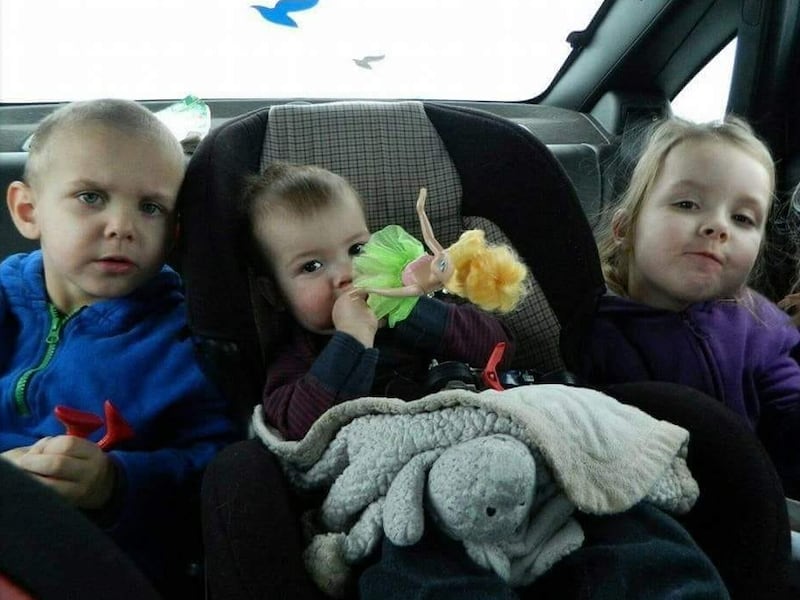
“Trent was forward-facing at 17 months old. I was following the law. I was following what the pediatrician told me to do. Hailie was in a booster seat, which, we lived in Alberta at the time and Alberta has no booster law, so technically, Hailie was above the law,” Jones said. “What I know now is had I had the proper education and tools, like I give to parents every day now, my children would have had a chance at survival.”
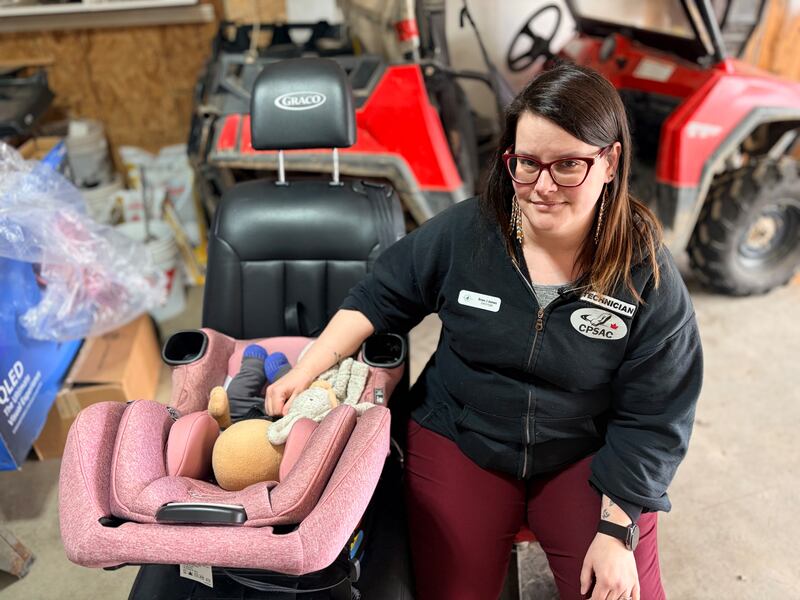
Since then, Jones has dedicated her time to improving the education of others on car seat safety. She gained her Child Passenger Safety Technician certificate and has checked and installed thousands of car seats. She also fundraises for those who can’t afford car seats, buying over 500 for families in N.B.
Jones also lobbies governments to strengthen their laws. There are two she says she’d like to see changed.
In N.B., a child can move from rear-to-forward facing at the age of one and 10 kilogram (22 pounds). Jones would like to see that increased, to two years old and 12 kilograms (26.5 pounds).
For booster seats, N.B. has a general recommendation of four and a half years old, or at least 18 kilograms (40 pounds). She would like to see that increased to an age limit of five years old, and 18 kilograms.
Jones also feels a child should be 10 to 12 years old, and 144.8 centimetres tall (four feet, nine inches), in order to sit in a vehicle without a booster seat “because that’s where the seatbelt passes at the right spot.”
It has to do with the maturity of the child, she says.
“The reason we say 10 to 12 is because that’s when children, most children start to hit puberty, which means your bones are maturing,” she said. “So your bones can withstand more. Everything, all the limits that we want to see raised are all around maturity… the longer you can keep your child rear-facing, the longer their bones have had time to solidify, so that their bones stay safe in the event of a crash.”
Trent, she said, died from an internal decapitation injury, which Jones feels could have been avoided if he was rear-facing at the time of the crash.
“They would have had a chance at survival because I would have been able to make better choices, to keep them safer. The law doesn’t always equal safe,” she said.
N.B. open to change: minister
A study released last year by CYBEX research alongside Dalhousie University, the Child Passenger Safety Association of Canada (CPSAC), and IWK Child Safety Link, found 81 per cent of child restraints observed were misused or improperly installed. That was a dramatic increase from 55 per cent in a similar 2015 study.
N.B. generally follows Transport Canada guidelines.
Those guidelines do state that a child can move from rear to forward-facing at 10 kilograms.
But they also add that, “rear-facing is the safest position for your child. Even if your provincial or territorial regulations allow you to move to a forward-facing seat, your child should keep using rear-facing seats as long as possible… it is okay if your child’s legs touch the vehicle seat back.”
The Canadian Paediatric Society also recommends two years before turning a child forward.
“As long as your child still fits within the manufacturer’s weight and height limits, they are safest using a rear-facing seat until two, three, or even four years old,” their website states.
The province’s public safety minister Robert Gauvin told CTV News Tuesday, that N.B. is “always open to trying to find better ways to protect children.”
But, he says, it can be complicated to change a transportation-related regulation as people travel across the country.
“We have to make sure that if there’s a legislation change or a law change, that you can still travel, you know, in other provinces as well, but we are open to it,” he said, adding that he is aware conversations are happening with advocates on the topic.
When Jones first told her story through a Facebook post eight years ago, it went viral. Currently it has well over a million views, she says.
But with that comes ridicule and skeptics, she said.
“Some say, ‘oh, well, you know, I’m not following that.’ Well, I’m able to talk to them and explain to them the dangers of turning too soon or switching to a booster seat too soon,” she said. “Their minds change completely after hearing my story. I don’t use scare tactics. I use my story as a powerful tool to navigate through the dangers. And it helps. It really helps.”

