This past week, the Manitoba government declared a public health emergency due to rising cases of HIV in the province.
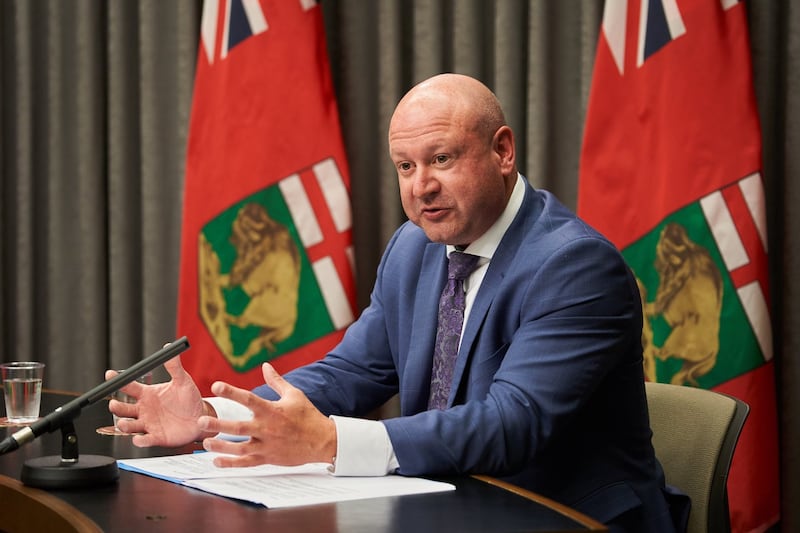
Manitoba’s Chief Provincial Public Health Officer Dr. Brent Roussin said in 2024, the province had an infection rate of 19.5 cases per 100,000 people, which was roughly 3.5 times higher than the national HIV infection rate of 5.5 cases per 100,000 people.
The province reported 328 new HIV cases in 2025, more than double the 142 cases recorded in 2021.
So far in 2026, officials say case numbers are tracking similarly to the first quarter of last year.
Women account for more than half the new cases, the province said, and most are between ages 20 and 40.
“This is significant. It’s concerning,” said Roussin at a press conference in Winnipeg on Thursday. “It requires a coordinated action across governments, communities and health systems.”
National inquiry needed: advocates
Longtime HIV advocate Albert McLeod says cases have been steadily rising for nearly two decades, and he’s been urging the government to declare an emergency for years.
“We had approached the government a number of times for action, and it’s always been sort of a vague response,” he said.
McLeod believes a national inquiry is needed to examine systemic failures in public health responses to HIV, particularly in Manitoba.
“We need that sort of oversight from the federal government because the implications are this could be happening in other provinces and territories,” he said.
“We really need to determine what are the interventions required, and what is the funding required to implement these interventions.”
The highest rates of HIV in Manitoba are found in the Northern Regional Health Authority and the Prairie Mountain Health region in the province’s southwest.
However, the Winnipeg Regional Health Authority (WRHA) continues to report the largest overall number of cases.
McLeod says Indigenous Peoples continue to be disproportionately affected by HIV.
“I don’t think it’s an accident that we have the highest rates of HIV in Canada but also have the highest Indigenous populations in Canada as well, so I think there’s a correlation there about the lack of interventions and services for Indigenous Peoples,” he said.
Keewatinohk Inniniw Minoayawin Inc. (KIM), which provides health services to several First Nations communities in northern Manitoba, welcomed the declaration by the province, but warned governments against treating it as a temporary response.
“First Nations communities need immediate access to testing, treatment, and harm reduction services, but we also need both levels of government to finally stop passing responsibility back and forth,” said Michelle Monkman in a statement, who is the interim CEO of KIM.
“HIV spreads in the gaps between systems. If Manitoba and Canada are serious about addressing this crisis, they must work with First Nations to build stable, community-led services that connect health care with housing, mental health, and substance use supports,” Monkman said.
Safe consumption site needed
The Manitoba government says several factors are contributing to the increase in HIV cases, including injection drug use, homelessness, and mental health challenges.
Advocates argue more harm-reduction measures, including a supervised consumption site, are urgently needed.
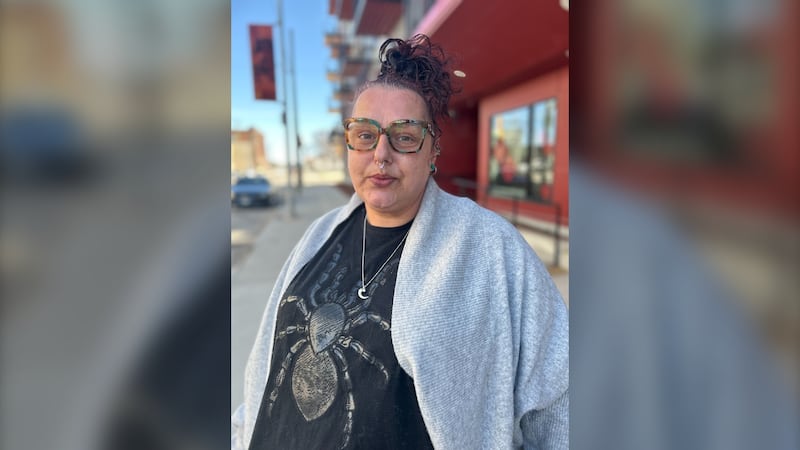
“It’s evidence-based that safe consumption sites and harm reduction approaches, reduce numbers of HIV and STBBI (sexually transmitted and blood-borne infections),” said Melissa Morris, who is the manager at the University of Manitoba’s Village Lab.
Earlier this year, Manitoba Premier Wab Kinew said the province was still working with a local service provider to determine how users of a proposed Winnipeg supervised consumption site would be connected to treatment, recovery and social services. He did not provide a timeline for when the site would open.
Morris said the delay is contributing to the growing crisis.
“The provincial government promised us a safe consumption site at the beginning when they first were elected. This has been failed to be addressed. That is something that’s contributing largely to the incline in numbers,” she said.
The Manitoba government says it has invested $8 million into HIV treatment and prevention programs in recent years.
Laverne Gervais says more provincial and federal funding and education are still needed to combat this rising issue.
“The level of understanding of HIV is really questionable,” said Gervais, who is the manager of Mino Pimatisiwin Sexual Wellness Lodge in Winnipeg.
“There’s still some folks who last time they received any information was in the ’80s, when it was a death sentence for many people, and things have changed greatly since then.”
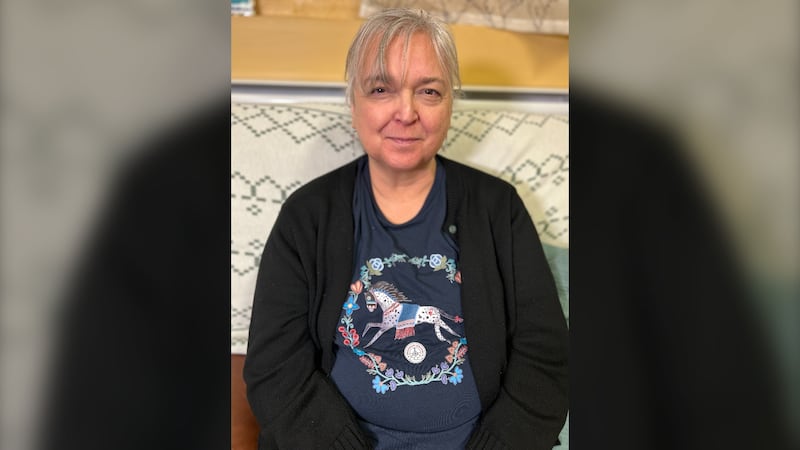
Gervais said governments must also tackle the stigma surrounding HIV to encourage more people to get tested and seek treatment.
Morris agrees.
“This is not the individual’s fault,” she said. “Don’t project more stigma on the community that’s being affected.”
“This (HIV) being declared a public health emergency is really about addressing those systemic faults that have been happening.”

