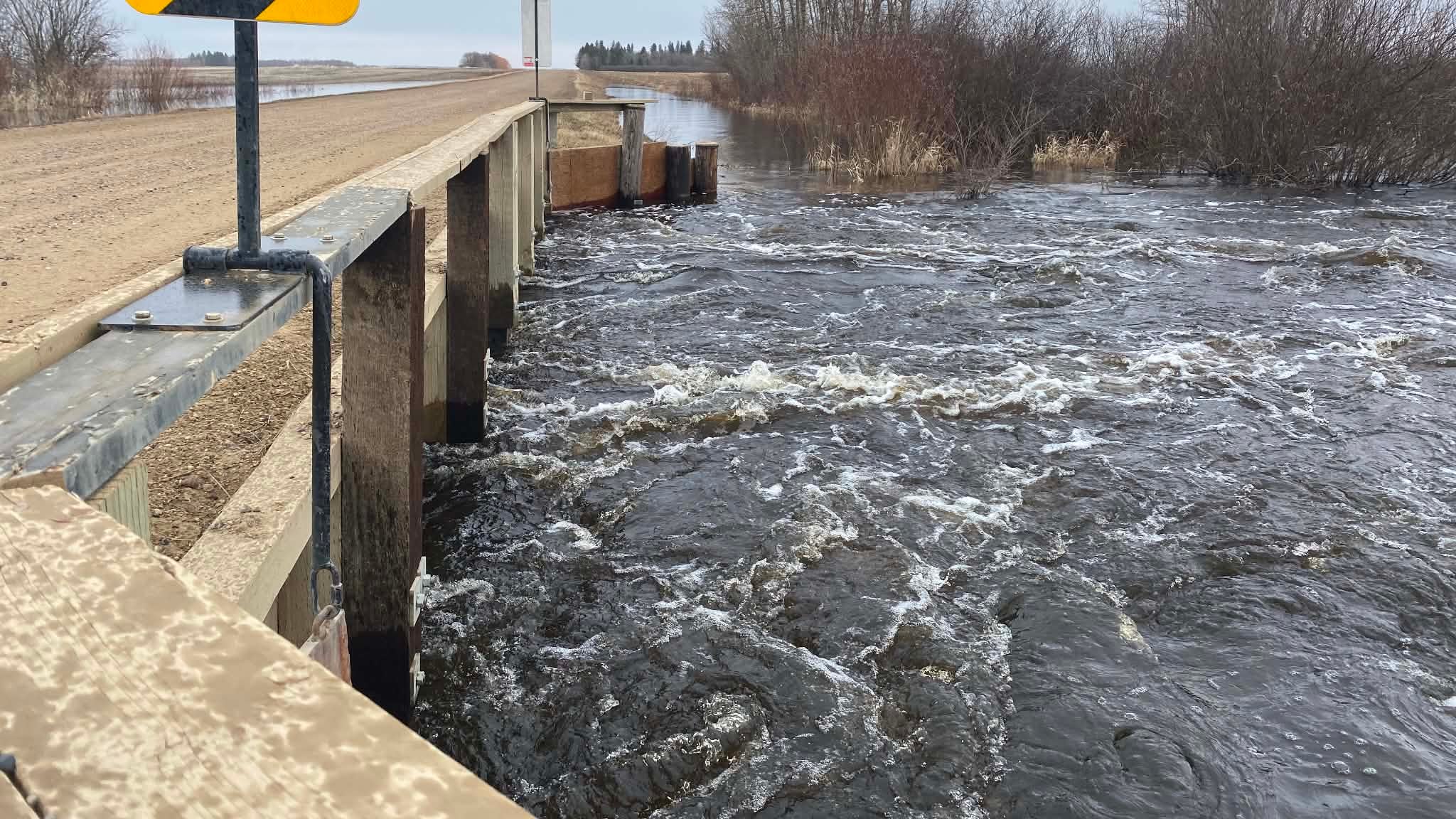
PADDOCKWOOD, Sask - Flooding across parts of Northern and Central Saskatchewan is preventing farmers from planting their fields.
The delay in seeding is another blow to producers already dealing with surging fuel and fertilizer prices due to the conflict in the Middle East.
Joel Hoey, who farms about 180 kilometres northeast of Saskatoon, says the triple threat facing farmers is wearing away optimism and profitability.
“It’s really starting to eat away at your bottom line,” he told CTV News.
“You’re seeing the rising price of fuel, the high cost of inputs and then you got this… it’s kind of a bummer.”
Hoey farms with his family near Paddockwood, Sask.
Typically, they would already be in the fields planting this year’s crops. But floodwater covers several of Hoey’s acres. Fields that are free of standing water still need to dry out.
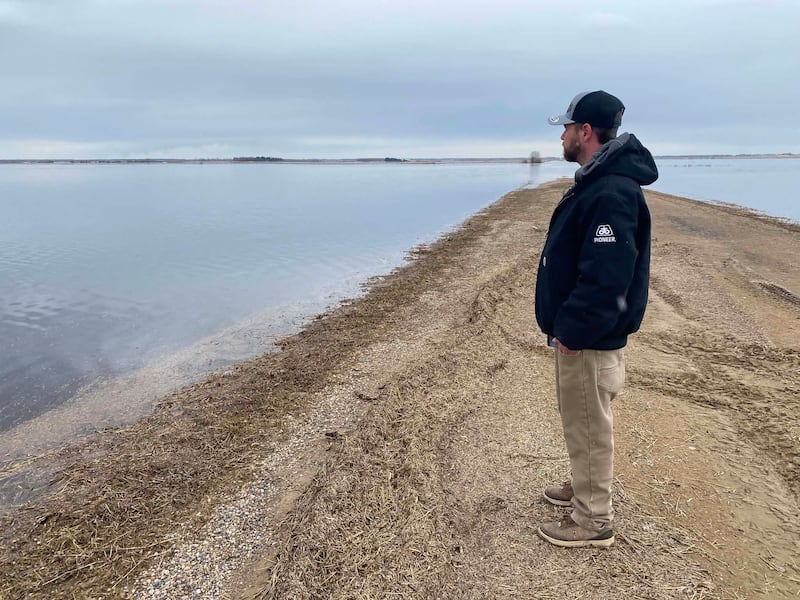
“We’re not even close (to seeding),” said Hoey, who estimates the floods will set him back two to three weeks.
The area and dozens of others are under local states of emergency due to the flooding, which is leading to widespread delays for farmers across the province.
Bill Prybylski, president of the Agricultural Producers Association of Saskatchewan, says delays in seeding typically translate into lower yields and higher risk of frost damage later in the season.
“The prospects of a good financial return are quickly diminishing,” he said.
Farmers have until mid-June to plant their crops, in order for them to be covered under insurance.
Prybylski suspects many acres will go unseeded across the province because fields are just too wet.
“By the time it dries out, it will be past the crop insurance deadline and past the point where it makes sense to get a crop in and get it harvested before the frost sets in,” he said.
‘There’s still optimism out there’
With the increased risk of lower yields, Prybylski said many farmers likely won’t want to waste the cash on the fertilizer and fuel needed to grow the crop.
Washed out roads and compromised infrastructure are adding to the challenges producers face.
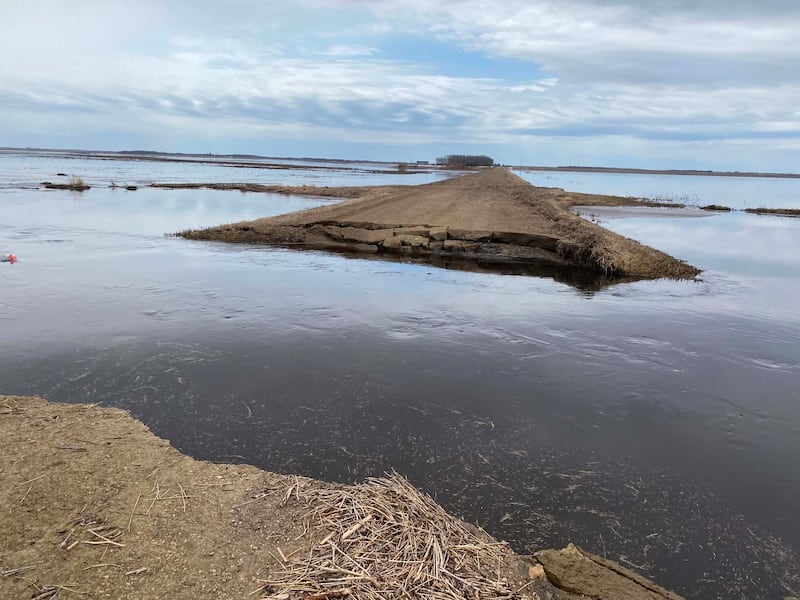
Even when things dry up, flood-damaged roads will make it hard to get heavy equipment anywhere, according to Hoey.
“Getting to certain fields might be a challenge or you will be taking a lot longer routes to get to certain places,” he said. “Logistically, it’s just kind of a nightmare.”
Saskatchewan’s Agriculture Minister Dave Marit is visiting some of the flood zones to assess the devastation. He says helping to repair important infrastructure will be a priority for the province.
“We’re going to try and work as quickly as we can. Obviously, you have to wait until the water is gone. You can’t do anything until the water is gone,” he said.
The Water Security Agency is warning already flooded areas could see higher flows as more snow continues to melt.
For now, many farmers are doing everything they can to get equipment ready for when the growing season actually starts.
“There’s still optimism out there. We wouldn’t be in this business if we weren’t optimistic that things are going to turn around and we’ll be alright,” Prybylski said.

