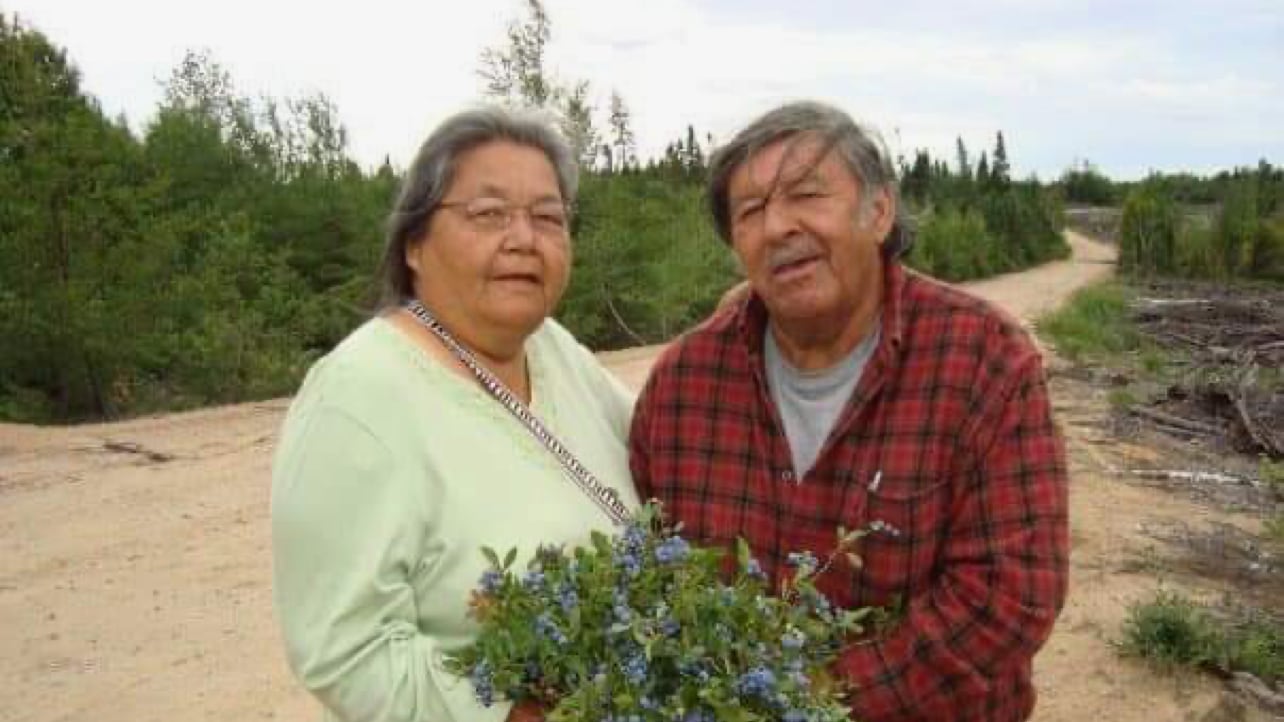
Viviane Echaquan-Niquay was 12 years old when her sister Lauréanna died of pneumonia at the Saint-Eusèbe Hospital in Joliette, Que., in 1973.
At least, that’s what she says her family was told by the health care officials in charge at the time.
“My mother told me when she arrived in Joliette, she went to the funeral home,” Echaquan-Niquay recalls, adding that, to facilitate her parents’ journey, she was tasked with caring for her younger siblings at their home in Manawan, an Atikamekw First Nations community in Quebec’s Lanaudière region.
She continues, “She says she saw a baby in a styrofoam box. She said, ‘That baby is too big. They look like they’re 10 or 11 months old. Are you sure that’s my baby?’”
Lauréanna was two-and-a-half months old.
Echaquan-Niquay says the funeral director waved her mother’s concerns away, closed the box and explained that Lauréanna would be buried in a nearby cornfield.
“My mother and my father said, ‘Can we put a cross?’ They told them, ‘no,’” Echaquan-Niquay tells CTV News. “‘A plaque, at least?’ ‘No, not if the child isn’t baptized.’”
She insists her sister was baptized the August prior.
“When my parents said they were going to get my sister, if it really was her, they said, ‘we’ll bring her to the cemetery here in Manawan, and we’ll put a cross for her,’” said Echaquan-Niquay.
Lauréanna’s body was never released to her family.
Ghost babies
Lauréanna Echaquan was born on July 20, 1973.
To this day, Echaquan-Niquay says she still has “flashes” of her sister’s short existence.
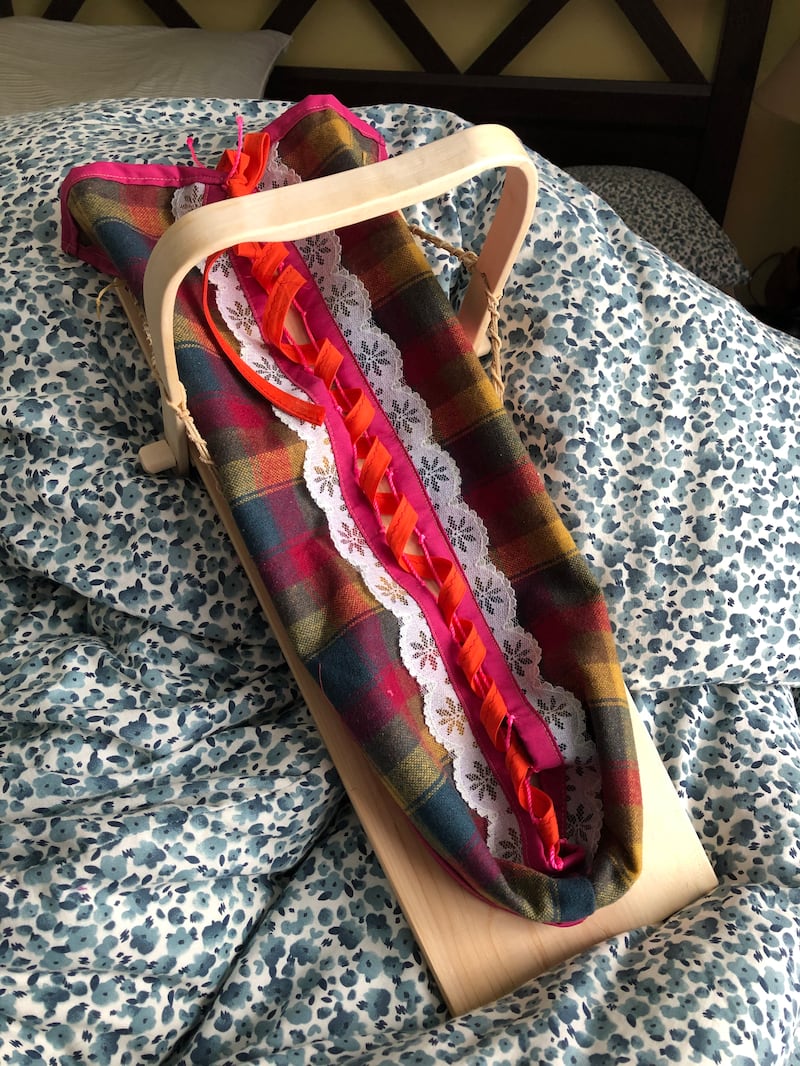
“I remember my sister was in a tikinagan, [baby carrier] and my mother was doing the laundry,” she said, looking off into the distance. “We didn’t have a laundry machine, so she was doing it by hand.”
Echaquan-Niquay repines she’s always felt disturbed about what happened to her family.
She says she understands now that historically, Lauréanna is just one of Quebec’s many “ghost babies,” Indigenous children who went missing or died after being admitted to hospital to receive medical care, mostly between the 1940s and 1980s.
In many cases, parents were later informed that their child had died, but were never given death certificates, access to their bodies or told the exact location of where they would be buried.
Rumours have pervaded that some babies may have been swapped and later offered up for adoption or sent to residential schools.
Uncovering the truth
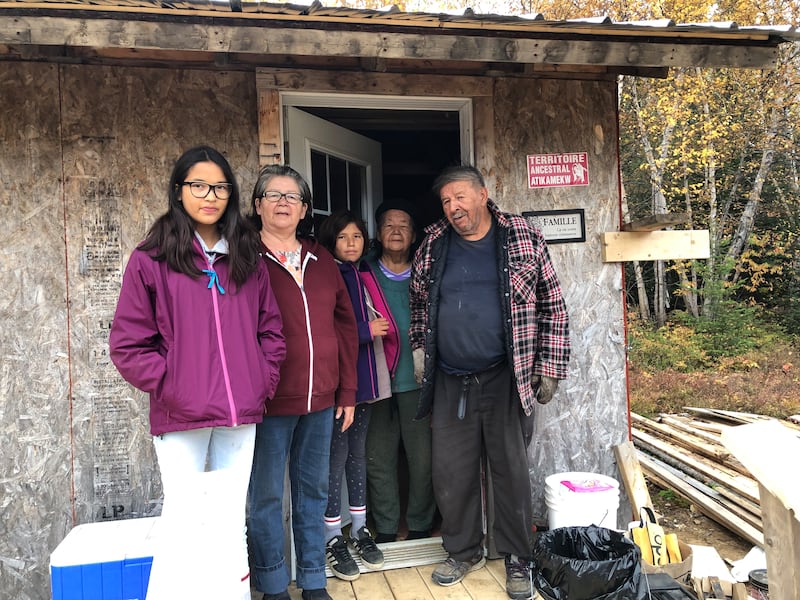
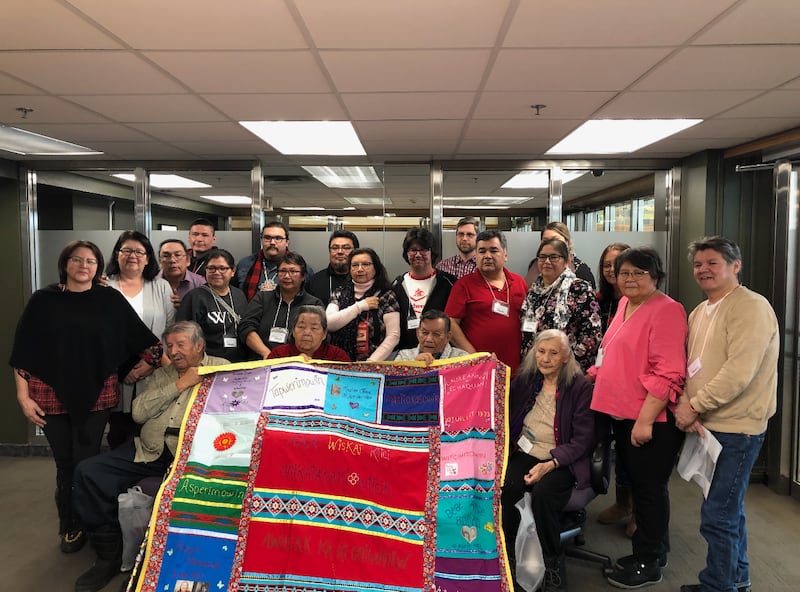
The Echaquans are one of 130 families taking part in investigations to find more than 220 children following the passing of Bill 79, An Act to authorize the communication of personal information to the families of Indigenous children who went missing or died after being admitted to an institution.
The bill was introduced in the National Assembly in 2021 by Ian Lafrenière, Quebec Minister of Domestic Security and First Nations Relations.
“This is a dark side of our Quebec history,” he tells CTV News. “We’re talking about families who have been looking for their children for years, some as much as 40, 50 years.”
The government is working with Awacak, an Indigenous organization dedicated to finding missing Indigenous children across the province.
Part of the search, Lafrenière explains, involves unlocking decades-old documentation.
As such, the Echaquan family says they have been able to access Lauréanna’s birth and death certificates, as well as some medical records.
However, Echaquan-Niquay says she questions whether the records are a truthful recollection of what happened to her baby sister.
She explains that the registry in Manawan lists Lauréanna’s death as Oct. 27, but the provincial civil registry states Oct. 28.
Additionally, the autopsy report from the hospital has Lauréanna’s death on Oct. 30.
Some families, like the Echaquans, Lafrenière adds, have told him that they were unsure whether the bodies they were shown were of their children at all.
“In some cases, kids were sent to adoption without notifying the families, so you can imagine how hard it is,” he said. “They have been living without knowing what exactly happened.”
Since Bill 79’s passage, four exhumations have taken place in Quebec.
Lauréanna’s would be the fifth.
Searching for Lauréanna
On May 1, Quebec’s Superior Court authorized the exhumation of Lauréanna’s presumed resting place.
Four sites were identified, including a soccer field near the Joliette cemetery, where a cornfield once stood.
“I felt light,” said Echaquan-Niquay of the court decision. “But I also felt pain because my parents weren’t there.”
Her parents, Armand Echaquan and Madeleine Dubé, both died within weeks of each other in the spring of 2021, never knowing what truly happened to their baby girl.
“I have hope that we will find my sister,” she said, adding that her wish is to bring her home to Manawan and offer her a proper burial.
If the exhumation process doesn’t lead to little Lauréanna’s body, buried in her styrofoam box, Echaquan-Niquay insists that she will continue looking - even if it takes forever.
The exhumation is set to begin on June 8 and last three weeks.

