As the weather gets warmer and you’re enjoying a nice spring evening cocktail or refreshment out on your patio, you may have already started to notice that vexing bzz bzz in your ear.
While peak activity for mosquitoes generally appears around June and July, one expert says we’re already starting to see an itchy spring season.
“This is going to be one of these bumper seasons when the number of mosquitoes we’re going to get is actually going to be incredible,” said Thom Bourne, owner of Nutri-Lawn Ottawa in an interview with CTV Your Morning Ottawa.
Bourne says the increase of the insects earlier in the season is linked with several factors, including higher rainfall amounts and more flooding, increasing the amount of standing water on the ground.
“Mosquitoes love standing water. When the mosquitoes find that standing water, whether it be in your room or your yard, or wherever they’re going to lay eggs, that’s going to be a big problem for everybody. So yes, it is starting, but more to come,” he said.
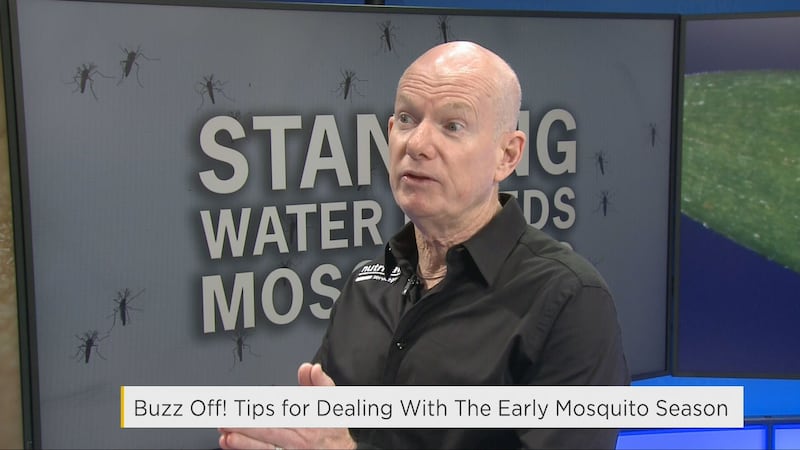
Bourne brought some tips homeowners can use to keep mosquitoes away from their home. He explains that getting rid of standing water in your yard is key to this prevention, noting that the critters can lay between 100 to 300 eggs per batch and typically breed about five to ten batches per year.
There are services available that can assist in building a barrier around your yard that will keep mosquitoes at bay. This involves making sure that mosquitoes aren’t coming in from the outside using barrier sprays and habitat modification to reduce backyard mosquito populations.
Bourne recommends looking in your yard for anything with standing water that might not be visible on first glance. This includes kids’ toys or old pails.
“What people tend to think about is they think, okay, service can come by and just take care of the one’s that are on the other side. But there’s so many things a person can do on the inside of the yard to make sure that they can use the art to its fullest,” he said.
Tick prevention
Ticks have also become a bigger problem over the years as global temperatures increase.
“Ticks are a huge problem now, and we go back 10 years ago, it really wasn’t… We didn’t hear much about Lyme disease and things like that, that ticks spread, and then five years ago, it started to take off a bit. And now, of course, it’s just so prevalent and they’re all over the place,” Bourne said.
- Tick season is back. Here’s how to keep your pets safe
- Experts warn tick season has started early in Canada
He explains that as temperatures increase, ticks are starting to move north. This is especially the case with the blacklegged tick (also known as a deer tick), which can potentially cause serious infections such as Lyme disease.
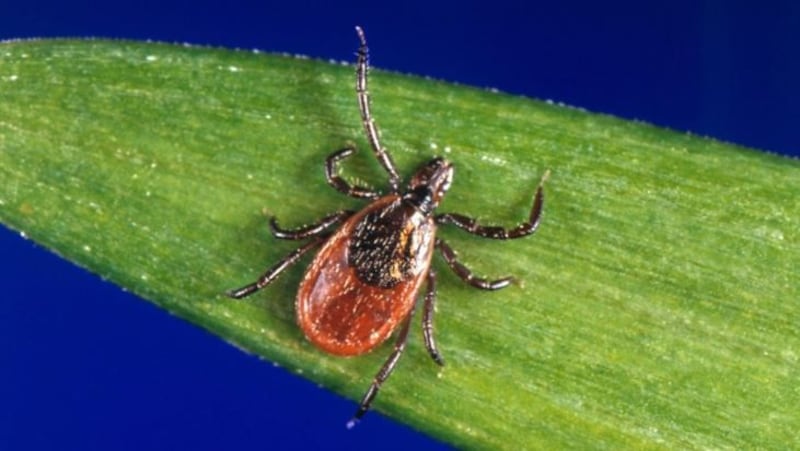
Ticks tend to hide in long grasses and start to move ground in the spring when temperatures go above four degrees.
“Not all ticks have diseases, but enough of them that it is going to be a problem. What people can do is to make sure that they’re looking at their yard, and if they have long grasses, either get a service or cut down the long grasses. Make sure their yard is well maintained so that the ticks don’t have a nice place to hide,” he said.
When going out for a walk or hike in an area with long grasses, checking yourself and your pets is important.
“They’re so small, you can’t see them very well and then all of a sudden you will notice them. So, doing that inspection personally and on your pets is really, really important,” Bourne said.
- Sign up now for daily CTV News Ottawa newsletters
- The information you need to know, sent directly to you: Download the CTV News App
Ottawa Public Health also has several tips on how to prevent mosquitoes from breeding near your home:
- Drill holes in the bottom of recycling containers that are left outdoors so that water can drain out.
- Clean clogged roof gutters, remove leaves and debris that may prevent drainage of rainwater.
- Ensure all openings to rain barrels are always covered with a screen mesh.
- Turn over plastic wading pools and wheelbarrows when not in use.
- Change the water in birdbaths at least once per week; aerate private ornamental ponds or treat them with an approved mosquito larvicide such as Bti if they do not have an outflow into natural waters.
- Keep swimming pools clean and properly chlorinated. Remove standing water from pool covers.
- Use landscaping to eliminate standing water that collects on your property.

