An Ottawa kidney transplant patient says he’s speaking out because his insurance company is refusing to pay for a brand-name drug he’s been on for years in favour of a generic version, despite a doctor’s note saying it could lead to organ rejection.
“I don’t feel that it is warranted or fair of an insurance company to ask me to go against my doctor’s wishes and to also say if you insist on (following) your doctor’s wishes, we won’t cover it,” said Shad Zekry, who received a kidney from his wife in 2023.
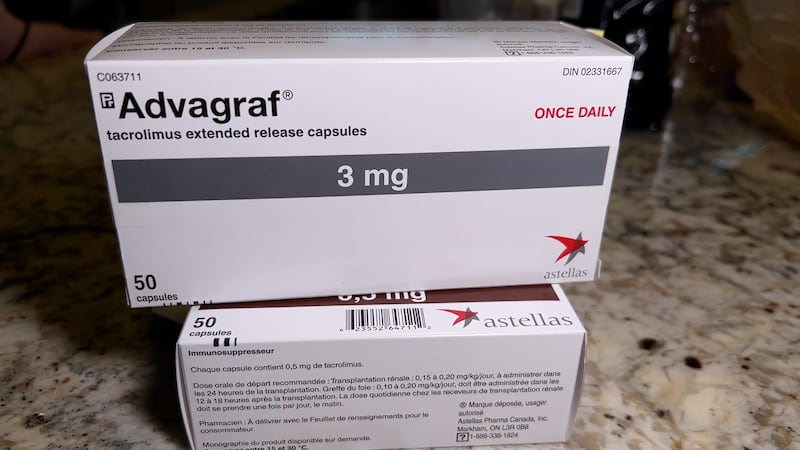
Zekry takes Advagraf, the brand name of the drug tacrolimus, every day. It’s used to help prevent organ rejection.
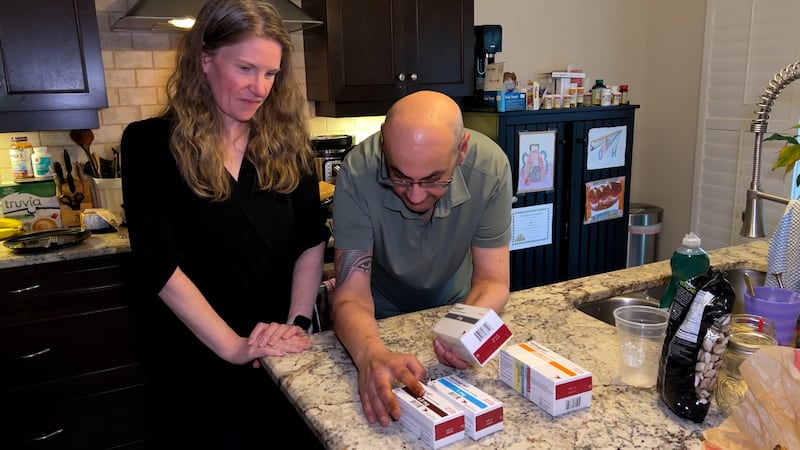
His insurance plan with the federal government had reimbursed the cost for the last three years until April.
“They said, ‘No, there is a generic medicine,’ and there really isn’t for this formulation,” said Zekry. “When I told my physicians, they said, ‘Do not switch.’”
Zekry’s doctor says there’s no benefit to switching and that it can put patients at risk.
“There are very few medications that fall into that narrow therapeutic index, but anti-rejection medications are one of them,” said Dr. David Massicotte-Azarniouch, a nephrologist at the Ottawa Hospital and Zekry’s doctor.
It means even small changes can cause the appropriate dose to be ineffective or toxic.
“It’s not that generics are bad, it’s just that in this case, for this medication, you want to keep as much as possible patients on the same brand of medication to avoid that variability,” said Massicotte-Azarniouch, adding his advice would be the same if there was a request to switch between two generic medications.
In a letter to Zekry, Canada Life wrote: “reimbursement at the brand-name cost can only be approved if an adverse reaction to the lowest-cost alternative drug has occurred or is expected to occur.”
Zekry’s doctor filled out a “request for brand-name prescription drug coverage” form required by Canada Life that states Zekry needs to continue on the brand name because there’s a risk of organ rejection with a generic. Despite that, the request was denied by Canada Life.
“As plan sponsor, the Government of Canada’s Public Service Health Care Plan Authority determines what is covered under their benefits plan. Canada Life administers all claims in compliance with the Government of Canada’s Public Service Health Care Plan Directive,” a Canada Life spokesperson wrote in a statement.
The Treasury Board of Canada Secretariat said its plan “limits the reimbursement of a brand-name drug to the lowest-cost alternative drug available,” adding a doctor can submit the brand name coverage request form to Canada Life “for review by their medical experts to determine eligibility for reimbursement of the brand-name drug,” which Zekry had done and was rejected.
Zekry said he plans to appeal the decision.

