HALIFAX – As gas prices inch closer to $2 per litre in Nova Scotia, it is worth noting it was only 11 years ago when drivers in this province were fuming about gas when it was sold for $1 per litre.
“It is a cash grab,” a driver in Halifax told CTV News in 2015.
Commuter Mike Ansell remembers those days well.
“I sure do, because I was getting ready to sell my full-size pick-up truck and get into something more economical,” said Ansell, who fears gas prices will soon cross the $2 threshold in his home province like it has on Prince Edward Island.
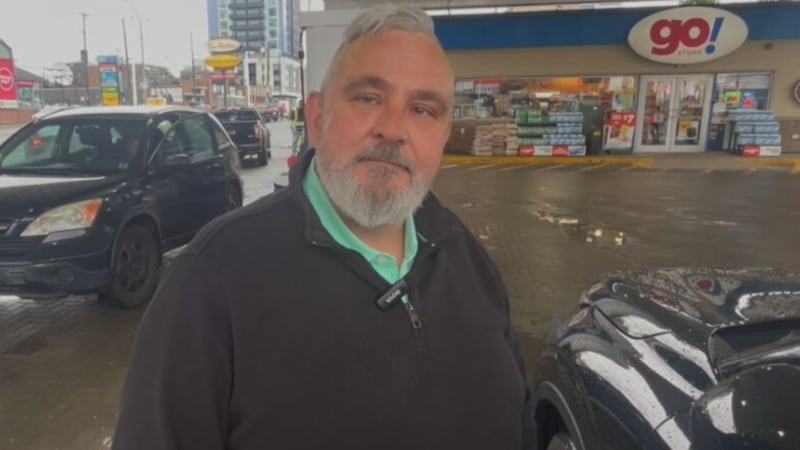
“It almost seems inevitable at this point, and this is where we are.”
Gas analyst Patrick De Haan said the global oil supply will continue to be disrupted as long as the war with Iran continues and the Strait of Hormuz remains blocked.
“What really needs to happen is the strait needs to be opened,” said De Haan. “That’s why we see an impact on gas prices.”
That financial impact from high gas prices is being felt by community organizations like the YWCA and the people it supports.
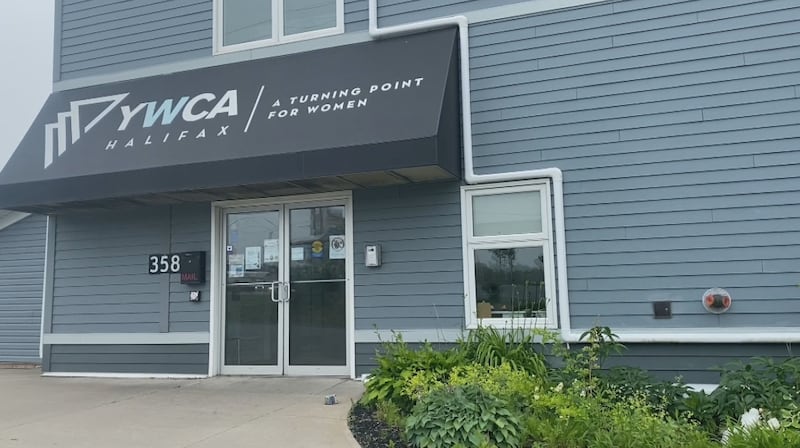
“There are two buckets of impact from our perspective,” said Halifax YWCA CEO Miia Suokonautio, who oversees more than 300 staff and numerous community programs spread across Nova Scotia.
“One is with the organization, and the other is the people we serve, often women working in low incomes and caregivers.”
Suokonautio added the overall fuel cost increases hurts their bottom line, putting pressure on the YWCA to find new revenue streams and make cost-effective changes to their daily operations.
“We have to respond by being innovative, instead of reactionary,” said Suokonautio, who added the YWCA’s educational, wellness, childcare and housing programs usually include transportation costs with high levels of fuel consumption.
“How do we rideshare? How do we decentralize programming? What do mobile services and transit support look like?”
Ansell would like to see better options available that would allow him to leave his car at home and save money.
“We need a better bus route in the city for sure,” said Ansell.
However, improving urban transit systems would take a lot of time to sort out, and with gas prices climbing, drivers will likely continue to pay a lot at the pumps for the foreseeable future.

