Warning: Graphic content
TORONTO – A landmark ruling by the Supreme Court of Canada now recognizes intimate partner violence as its own legal basis in civil cases.
The new “tort,” a legal term for a civil claim, recognizes that intimate partner violence isn’t always physical or sexual.
“The law already gave victims the ability to seek redress for physical assault and sexual assault,” gender-based violence lawyer Gillian Hnatiw told CTV National News from her office in downtown Toronto. “This new tort includes things like coercion, manipulation, humiliation and isolation.”
It’s a gamechanger for people like Wendy Butler, who says she thought she met her “prince charming” at the age of 17, only to end up surviving nearly two decades trapped in an abusive relationship.

“I found myself in a very bad predicament. I didn’t tell anyone because of shame, and it took me a long time to leave,” said Butler.
Speaking to CTV National News from her home in Angus, Ont., the mother of two says what she experienced extended beyond physical bruises.
“The abuse that I endured, it was physical, emotional, psychological, and I lost myself,” said Butler.
She hopes this week’s Supreme Court ruling will help encourage victims to leave abusive relationships they otherwise wouldn’t because of financial instability.
“There’s now a pathway for them to not just seek criminal charges, but also a civil conviction that can come with a financial ruling that can help them get back up on their feet and get their life on track,” added Butler.
Hnatiw, who’s been representing female victims of gender-based violence for decades, says she has more than a dozen cases on her desk that have been waiting for this week’s Supreme Court ruling.
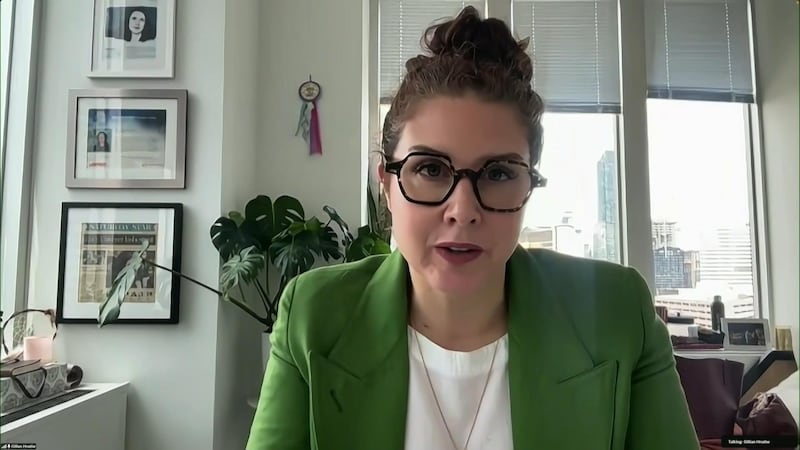
“There have been few, if any, decisions in my 25-year legal career that have been as consequential to gender-based violence as this one today,” shared Hnatiw.
In his ruling, Justice Nicolas Kasirer’s case briefing outlines that a victim must show that their partner “intentionally engaged in abusive conduct, and that the conduct amounted to coercive control.”
For Butler, she didn’t leave her first husband until she became pregnant.
“I was worried I would have a miscarriage due to the psychological abuse I was enduring, so I finally left. It was the best decision of my life,” she said. “My son, my unborn son at the time saved my life.”
She’s since started Bon Ami Community Services, an organization aimed at helping families with intervention opportunities, including support to those looking for transitional housing who are fleeing violent domestic situations. She’s using her own experience with trauma to help empower others.
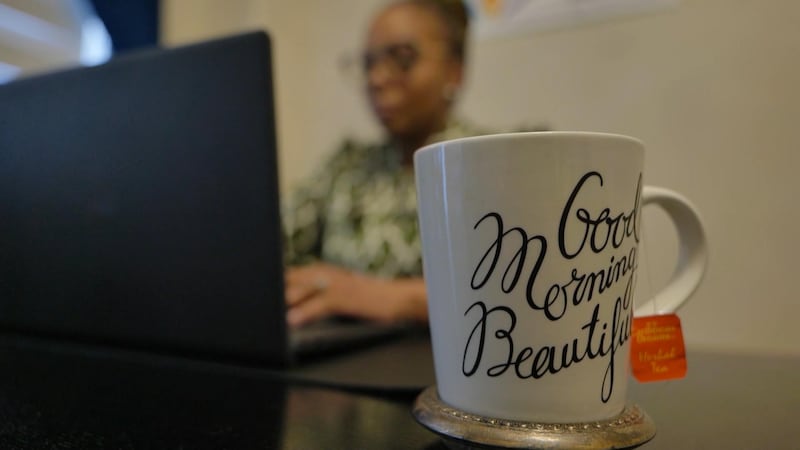
Sitting at her kitchen table in her suburban home, where she’s happily remarried with a second child, CTV National News asked Butler what message she’d share with someone who’s in an abusive relationship,
following this historic Supreme Court ruling, she replied with a smile, saying “there’s hope, there’s a chance for new beginnings. Don’t stay in a situation that you know will continue to bring harm to you and your child. Get out - don’t ignore the red flags,” says Butler.
“There’s hope,” she replied. “There’s a chance for new beginnings. Don’t stay in a situation that you know will continue to bring harm to you and your child.
“Get out – don’t ignore the red flags.”
With files from CTV News’ Kristen Yu and Jeremie Charron
If you or someone you know is struggling with sexual assault or trauma, the following resources are available to support people in crisis:
- Call 911 if you are in immediate danger or fear for your safety.
- The Canadian Association of Sexual Assault Centres' website has a comprehensive list of sexual assault centres in Canada that offer information, advocacy and counselling.
- The Ending Violence Association of Canada‘s website has links to helplines, support services and locations across Canada that offer sexual assault kits.
- Indian Residential School Survivors Society crisis lines: +1 866 925 4419 or +1 800 721 0066 (24/7)
- Toronto Rape Crisis Centre crisis line: +1 416 597 8808 (24/7)
- Canadian Human Trafficking Hotline: +1 833 900 1010 (24/7)
- Trans Lifeline: +1 877 330 6366
- Suicide Crisis Helpline: call or text 988 (24/7)
- Sexual Misconduct Support and Resource Centre for current and former Canadian Armed Forces members: +1 844 750 1648
- Read about your rights as a victim on the Canadian Resource Centre for Victims of Crime website.

