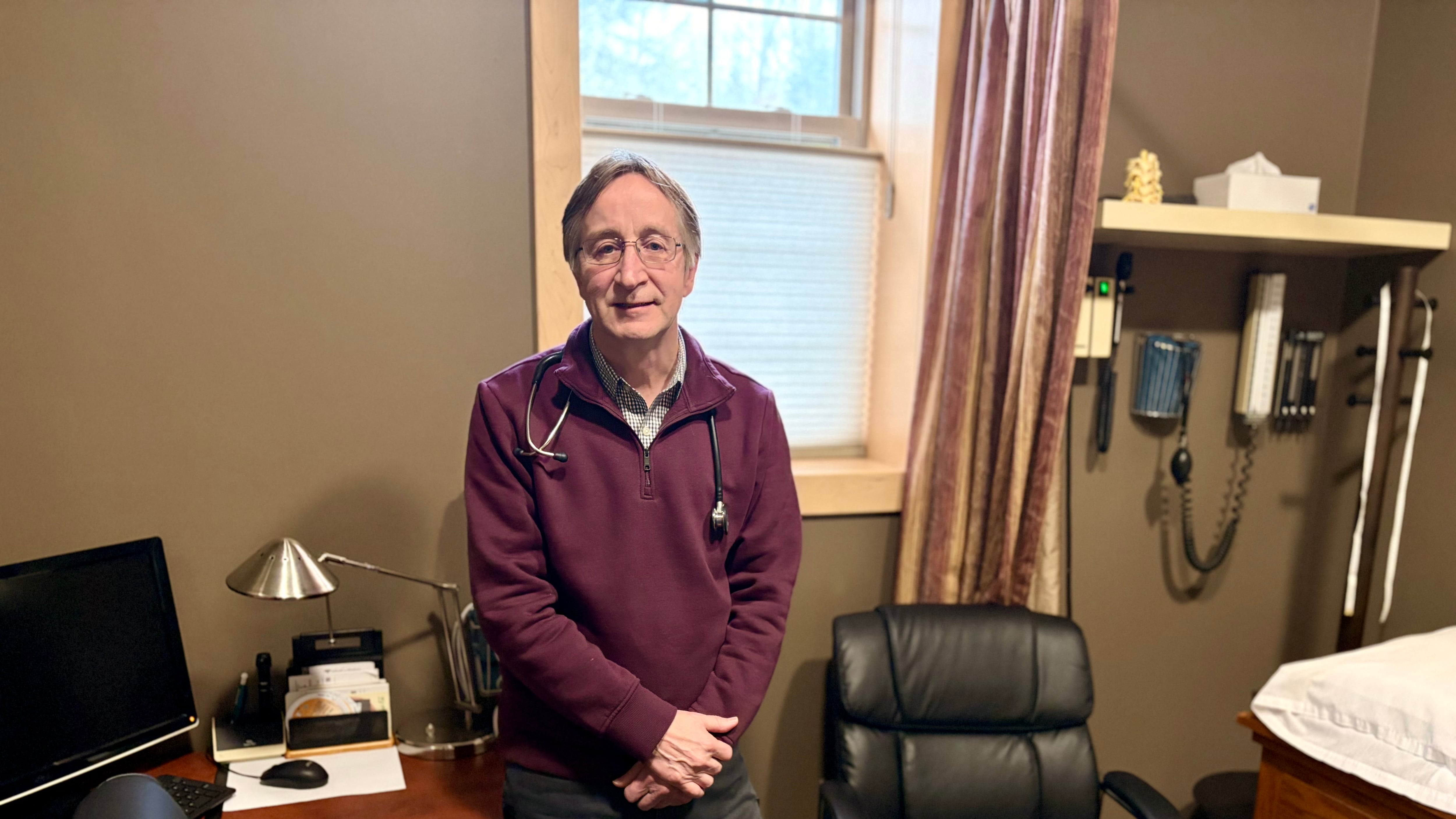
PERTH-ANDOVER, N.B. - A small New Brunswick village has been grappling with a common Canadian issue: retiring family physicians and long waitlists of unattached patients.
But due to the behind-the-scenes effort by the family doctors still working in the community of Perth-Andover, and a $1.6 million boost by the province, there’s new hope that those patients will soon have access to consistent health care.
“These are my friends and neighbours. We hate to say no, that we weren’t able to meet their needs. I think more now, we’re going to be able to say yes,” said longtime family physician Dr. Allison Kennedy.
Dr. Kennedy says he feels more hopeful after working with the English language health authority to turn their practices into a collaborative care clinic.
That model brings together a team of health-care professionals, including physicians, nurse practitioners, registered nurses, occupational and physiotherapists. The team shares the workload and determines a patient’s needs, which may not necessarily require the attention of a family doctor.
Since the fall of 2025, the Perth-Andover clinic has brought together two physicians, two nurse practitioners, three registered nurses, a dietitian, diabetes educator and administrative staff. They are still working to hire additional nurse practitioners and a social worker.
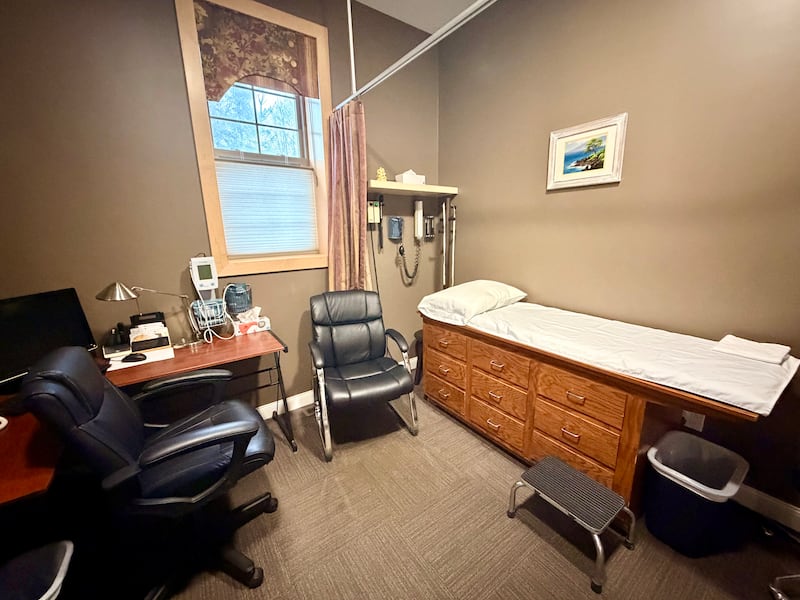
Dr. Kennedy has been working in the community for four decades. He did not want to retire without a plan for his patients, but admitted, even just last year, he was “pessimistic” a plan would be possible.
“The hope for recruitment is much better now. We have both a physical setting and administrative support. I think that will be attractive to recruit to,” Dr. Kennedy said. “I couldn’t have said that last year. So that’s a big difference. And that makes me feel better about phasing out of my practice over the next few years, that there’s hope and a good, medical home to give to patients.”
One of the big factors: the administrative burden. Dr. Kennedy estimates he’s tasked with a couple hours of paperwork a day, easily equalling a full workday a week.
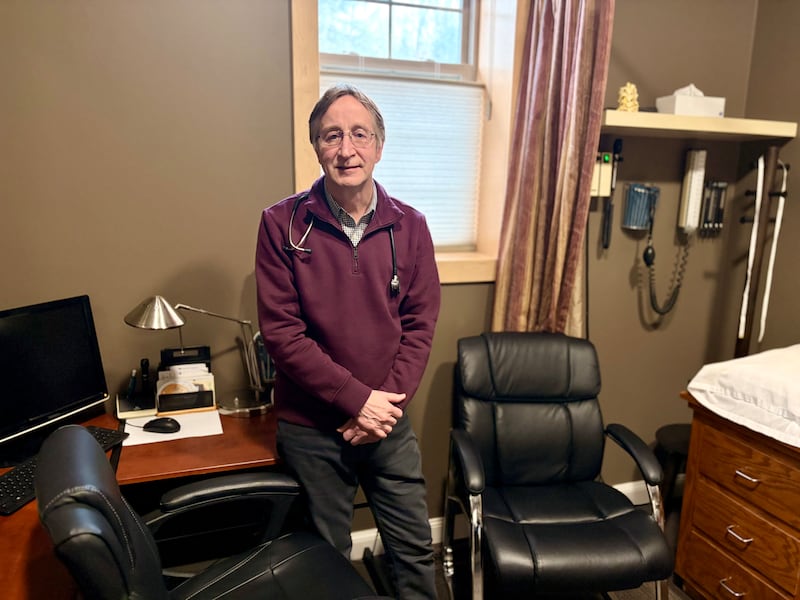
But he’s hoping the team approach will ease that burden so he can focus more on patient care.
“I’ve said to many of my colleagues that I feared that the burden of paperwork was going to be the death of family practice, but with the right support and changes in the administrative direction of governments and insurance companies, I think there’s hope,” he said.
So far, the team has added 400 patients to the clinic from the province’s unattached patient registry. The hope is another 870 unattached patients will be added in the next 12 to 18 months.
Tami McPhail found herself without a family physician two years ago. Her long-time doctor, who had seen her since she was 16, retired.
While she was happy for him, she said she was sad – and a little nervous – about what would happen to her family’s care.
But then she learned about the collaborative care clinic.
“The system has changed and we had to change with it,” she said.
McPhail has been on the village’s council for five years. She’s now mayor-elect, and said healthcare was one of the major concerns people wanted to speak to her about while campaigning. But there are people who don’t yet understand how the collaborative care model works and still want to see a family doctor.
“We just have to go forward and keep educating people. And as they see these providers at our clinics, they’re going to understand not everything has to come from the family doctor,” she said.
She’s optimistic that education and understanding will come.
55 doctors in, 40 out
New Brunswick is going all in on the collaborative care model.
Under Susan Holt’s Liberal government, 14 collaborative care clinics have been announced since the fall of 2024, and have removed 6,853 patients from the provincial waitlist.
Some of them are brand-new clinical spaces, others are expansions of existing practices, like in Perth-Andover.
Holt has promised to reach 30 clinics by 2028, with the goal of removing 22,204 patients from the provincial registry. As of March 31, 127,177 people province-wide are on that waitlist.
Between April 1, 2025 to March 31, 2026, 55 family doctors were hired in the province. But 40 left or retired.
According to the N.B. Medical Society’s demographic records, the average age of a family doctor in the province is 47.

