U.S. authorities have closed a cold case killing dating back to 1986 after linking a B.C. man to the crime using DNA evidence.
The victim, 35-year-old Carol Traicoff, was found dead in downtown Wenatchee, Wash., behind the Stanley Civic Center—beginning an investigation that dragged on for decades without the positive identification of a suspect.
The Wenatchee Police Department’s break in the case was announced last Thursday, 40 years to the day after the discovery of Traicoff’s body.
“Based on the investigation, it is believed that on or around May 14, 1986, Henry B. Leland killed Carole Traicoff. There is no evidence to suggest another suspect,” the department said in a news release.
“This investigation is officially closed.”
Housing facility named after accused
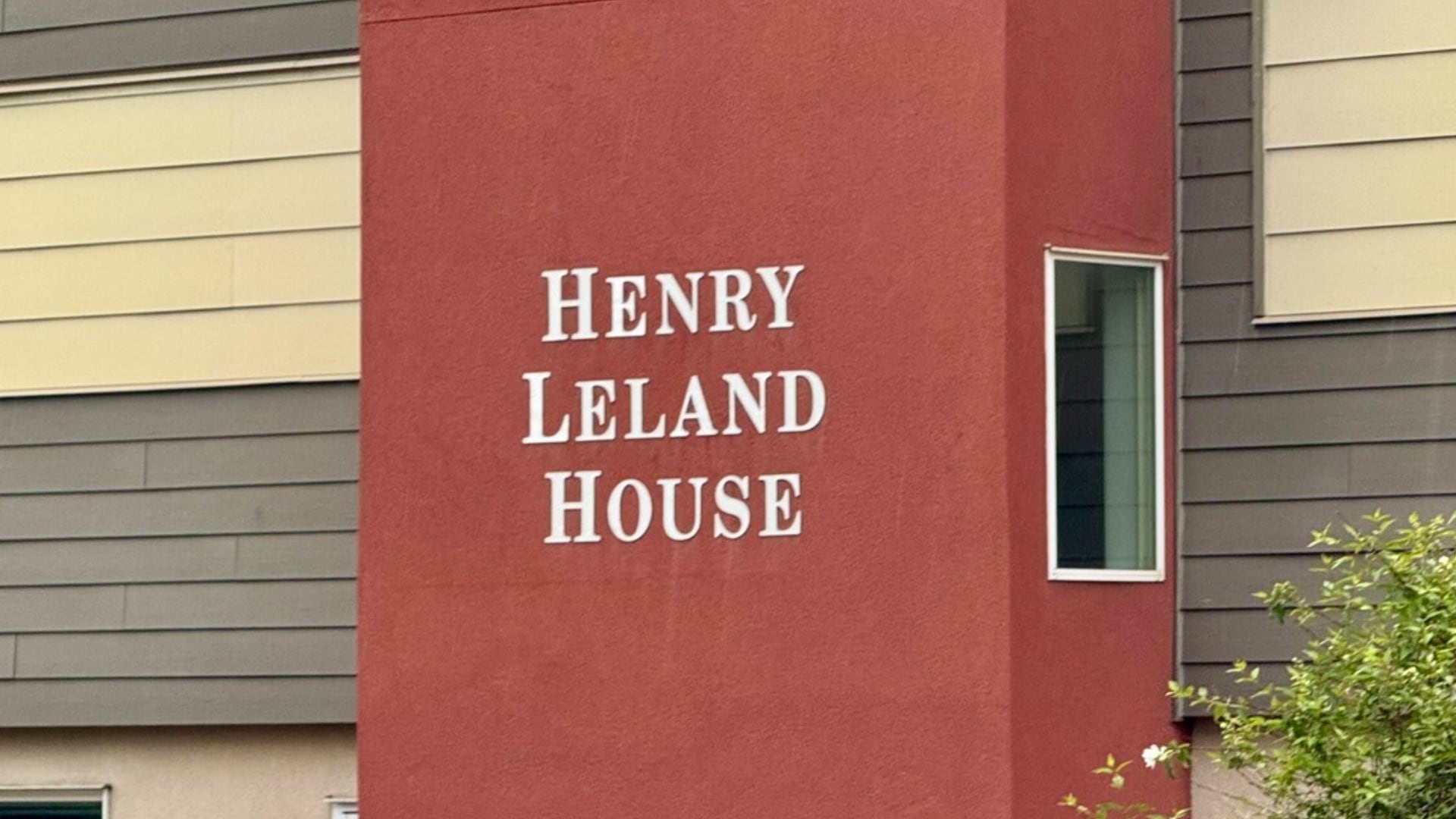
Leland died in Kamloops, a city in B.C.’s Thompson-Okanagan, in 2007—and later became the namesake of a supportive housing facility.
The ASK Wellness Society, operator of Henry Leland House, told CTV News the building’s sign was removed in light of the new allegation from U.S. law enforcement.
The 28-unit development was opened in 2009, two years after Leland died of exposure.
In a government news release regarding the $4.45-million facility, Leland was remembered as “an Aboriginal man who lived on the streets of Kamloops for many years,” and was “regarded by the community as a kind soul.”
Old evidence tested with new methods
The Wenatchee Police Department said numerous detectives reviewed the circumstances of Traicoff’s death over the years, but it wasn’t until a now-retired member—identified only as R. Weatherman, a former detective sergeant—picked up the case in January 2023 that the case was cracked.
With help from a forensic scientist from the Washington State Patrol Crime Lab—identified only as B. Wright—old evidence that had been gathered was sent for modern DNA testing.
“Unfortunately, the forensic testing available at the time (of the killing) did not produce any leads sufficient enough to solve the case,” the department said in its news release.
Genealogy results identified possibly family lineage within the U.S. and Canada in December 2024, and were then shared with Canadian authorities, leading to Leland’s identification, according to police.
“The Wenatchee Police Department would like to thank all the prior investigators for their work and diligence throughout the investigation,” the release adds.
“Finally, we would like to thank Traicoff’s family for not giving up and remaining determined to find Traicoff’s killer.”

