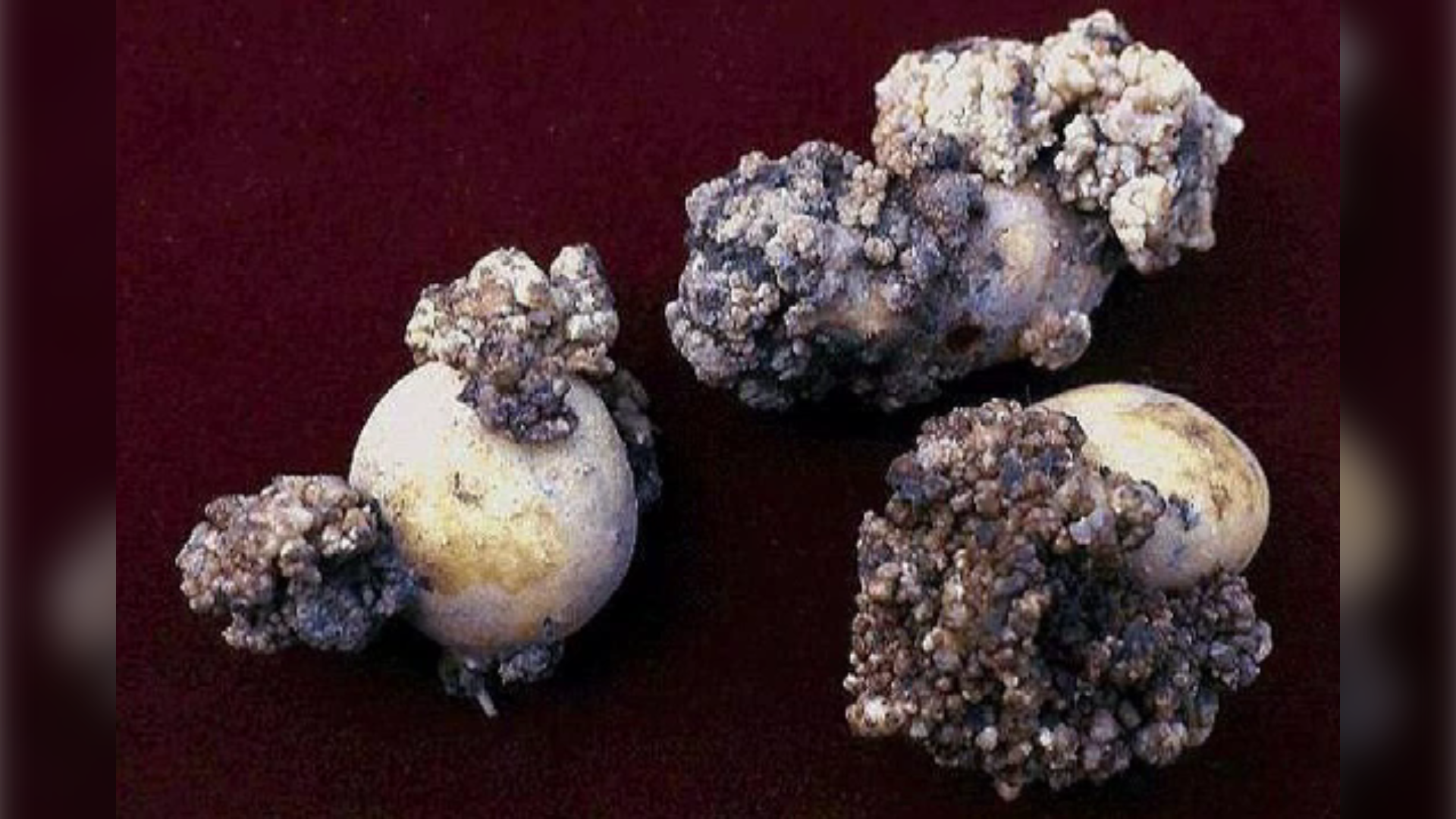
CHARLOTTETOWN, P.E.I. - A potato disease that has disrupted P.E.I.’s principal crop before is once again testing a major cross-border trade relationship.
The Canadian Food Inspection Agency (CFIA) says potato wart was recently detected in soil samples collected from a single P.E.I. potato field. In response, the Washington, D.C.-based National Potato Council, alongside 13 U.S. state potato organizations, is calling for the reinstatement of a previous ban on fresh potato imports from P.E.I.
“That would be a huge hit to the industry,” said Bill Zylmans, chair of the Canadian Potato Council.
In 2024, P.E.I. exported about $153 million worth of fresh or chilled potatoes to the U.S.
While potato groups south of the border see the disease as a threat, Canadian regulators and industry leaders say the latest detection shows the system is working.
A spokesperson for the CFIA confirmed Thursday there is currently no evidence of symptoms on potato tubers or spread to other fields. In addition, the farm where the detection occurred does not export potatoes.
Potato wart poses no risk to human or animal health, but it can reduce yields and disfigure spuds.
In a May 18 letter sent to the U.S. Department of Agriculture, National Potato Council CEO Kam Quarles urged the regulator to take action.
“Should potato wart be transmitted to the United States, it would have severe consequences,” Quarles wrote.
He says they could include an immediate loss of access to all international fresh potato markets, costing American growers more than $225 million in direct annual export losses. In addition, it “would trigger devastating economic consequences” for family farms.
Zylmans defended the shipments.
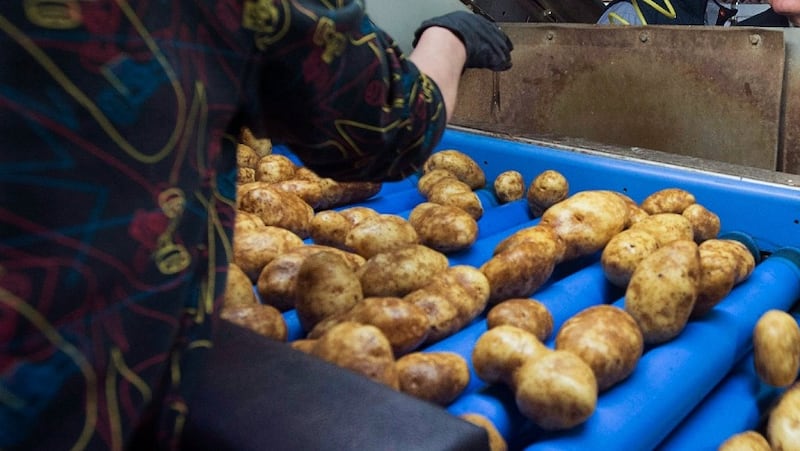
“There is no soil on these potatoes,” he said. “They’re a clean, packaged, fresh potato that’s good for consumption anywhere.”
The CFIA says P.E.I. remains under the National Potato Wart Response Plan, which includes soil sampling, surveillance, movement restrictions, traceability requirements and regulatory oversight.
Quarles says the latest detection occurred in an entirely new field “without any association with previous finds.”
But Greg Donald, general manager of the P.E.I. Potato Board, says the field is in “close geographic proximity” to the area that has been associated with previous detections.
“There has been, and continues to be, no risk to P.E.I.’s potato industry or any of its domestic and international markets,” Donald said in a written statement to CTV News.
The P.E.I. Department of Agriculture said Agriculture Minister Bloyce Thompson spoke with his federal counterpart, Heath MacDonald, about the matter, and continues to follow the situation closely.
The United States Department of Agriculture did not respond to questions about whether it would change current border rules by deadline.

