FREDERICTON, N.B. – New Brunswick added 118 new paramedics to its roster in 2025, while 116 left.
They left for a variety of reasons: retirement, getting a different position or leaving the profession or the province altogether, says Derek Cassista, the deputy registrar of the province’s paramedic association.
“The No. 1 reason they tell us when they leave to go to other provinces is because they want to go do more things and have different roles in health care,” Cassista said.
Which is why, for more than a decade, Cassista has been advocating to arm paramedics with more training and equipment, to allow them to do more for patients in the field.
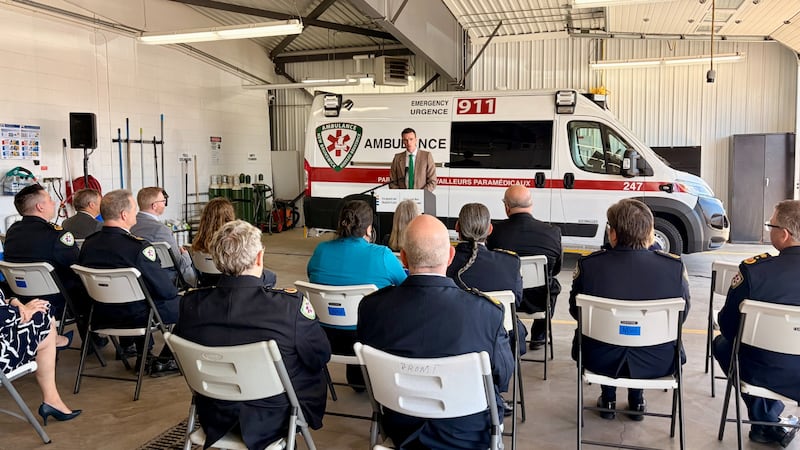
On Thursday, N.B. Premier Susan Holt’s government announced $2.5 million in funding to equip ambulances with thrombolytics – clot busting medication that could be life-saving in the event of certain heart attacks.
Advanced-care paramedics are trained to administer the medication, but haven’t been equipped with it. As of this summer, they will follow Ontario, British Columbia, Manitoba, Alberta and Nova Scotia in adding it to their advanced-care ambulances.
It’s one step in an effort to retain paramedics – and attract more.
“Paramedics have told us in their training programs … ‘The more we can do, the more we are happy,’” said Dr. John Dornan, New Brunswick’s health minister.
The province is short 300 medics right now, which amounts to almost 30 per cent of the ideal workforce. On average, they last eight years on the job in New Brunswick.
Another recent move the Holt government made was to pay for the tuition of future paramedics, in exchange for two years of service.
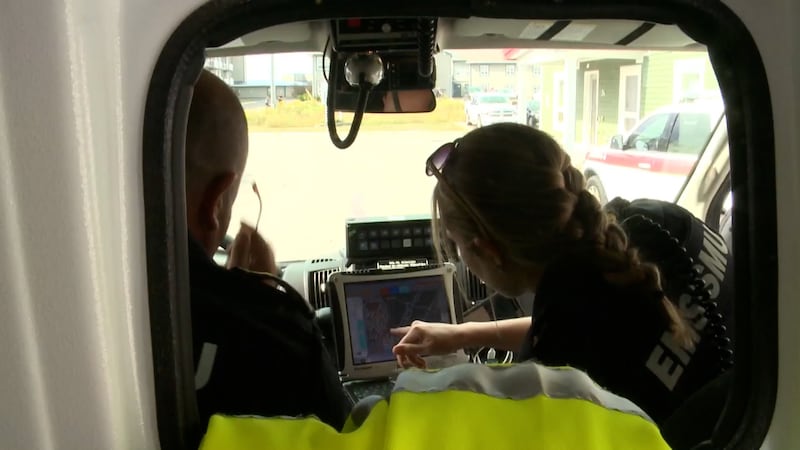
Initially a pilot program introduced last year, the Holt government made it permanent in April. Prior to this incentive, half of the seats in paramedic training programs were empty, said Jean-Pierre Savoie, vice-president of Ambulance New Brunswick.
Now?
“Most of the schools, all their seats are filled. Plus, they’re adding another class,” said Savoie.
It will take time to see the change as newly trained paramedics graduate, Savoie warned. But he said the incentive was “what I was waiting for.”
“The other advantage of having more paramedics in the system is that it will ensure trucks are on the road when they need to be,” he added. “And when a paramedic needs to be on vacation, we’re going to be able to allow them to go on vacation. So for their work-life balance, I think it is super important,” he said.
Cassista also applauded the changes, saying paramedics have been operating short for far too long.
“Every day you come to work, and it feels like, you know, you’re the last hands available,” he said. “It’s stressful and it adds to burnout. And definitely, if other recruiters come in from other provinces and say, ‘We’re going to bring you into our system,’ then they start to listen.”
There’s more they can do, he says, hoping their scope of practice continues to expand with government support.

