MONTREAL – An abundance of information and ads, but also misinformation and scams, have popped up across social media in recent years. This comes in the wake of a surge in Google searches for the words “menopause” and “perimenopause” since 2022 and has left women trying to sort out the facts.
“I find my patients … they are seeking information, which is a good thing,” said Dr. Ilana Lega. “But in doing so, they are just getting overwhelming amounts of information and a lot of misinformation, a lot of social media posts targeting menopausal and perimenopausal women, with a lot of advertisements, too.
“This further confuses the situation and gives people too much information that is not always reliable.”
Lega, a physician in the Division of Endocrinology and Metabolism at Women’s College Hospital in Toronto, says menopause is no longer the taboo it once was.
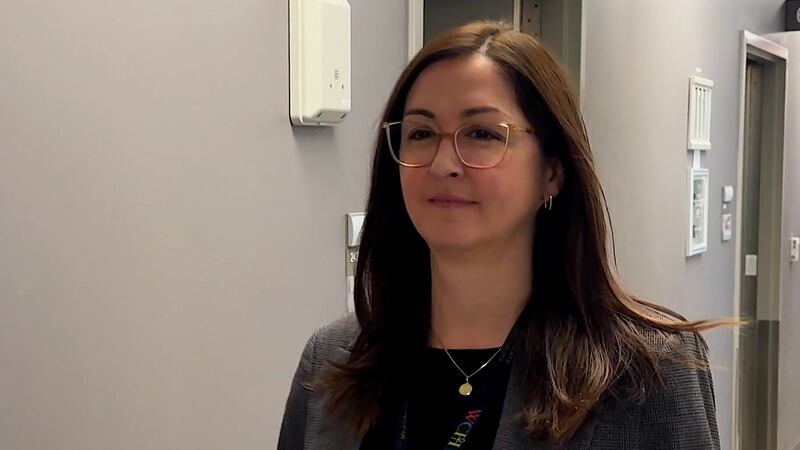
“We’ve gone from never talking about menopause, not even to our close family members or friends, to it being everywhere in the media, and in movies and magazines,” said Lega. The normalization of a natural physiologic transition has prompted an entire new online world that, at times, pushes women to spend money on useless, or even potentially harmful products.
During the menopause and perimenopause transition, women are much more likely to gain weight, and online information related to the issue is particularly abundant. Lega says there is an entire industry selling products to women aimed at trying to convince them they can lose weight faster.
The heavy dose of misinformation can at times be tricky for doctors to navigate.
“I am always a proponent of patients coming with information so we can discuss it,” said Lega. “Sometimes, I find people feel very strongly about the information they found online, and they think that is for sure the right information. When you, as a health-care provider, offer them evidence-based medical information, they don’t really trust you anymore.”
Quebec’s Nathalie Belanger says she wanted to help women try to sort through online information when she co-founded an app called “Ask Elina,” an AI menopause mentor. Belanger, 57, says she went through perimenopause at a time when there was little open discussion about what was once called “the change,” and says she wants other women to have better support.
“I feel that I could have done more in my career if I had better support,” said Belanger. “I just want women to have that opportunity. I want women to really feel their best as they’re going through this really big, transformational time in their lives.”
Belanger says she does a lot of venture capital investing and stumbled across an application built for support of cancer patients and other diseases, including multiple sclerosis, or MS. Along with a partner, she decided to use that same platform to support women through menopause.
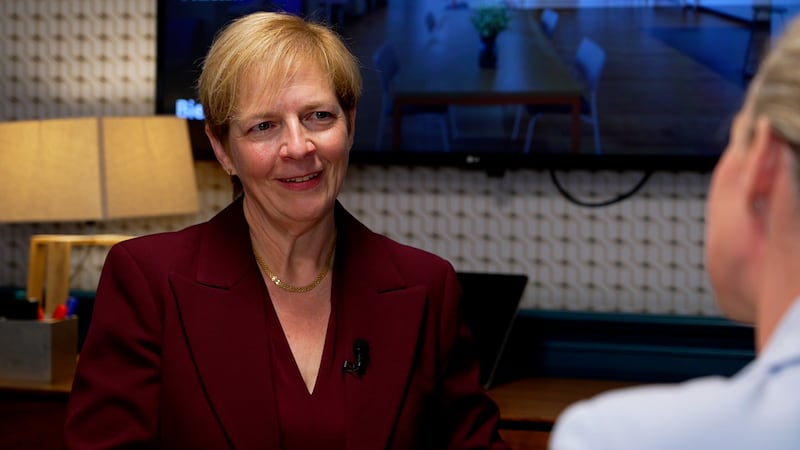
She says “Ask Elina” is trained on a subset of verified menopause information and is built with medical safeguards. Women ask general questions, or can upload a picture of an online ad, for instance, and get more detailed information about the product. There is also a community forum, where women can connect with others with similar symptoms.
“We have a lot of reports of women not being able to sleep during perimenopause and menopause,” said Belanger. “What are some tips? It’s a great support system I think.”
Experts say women need to view all online information with skepticism and Lega recommends not just turning to online forums and information, but also to book an appointment with a health-care provider, because ‘‘there are treatments that are evidence-based and that are safe”.

