Groundhogs, or marmots in the Quebec parlance, are once again stealing some of the spotlight at the F1 Canadian Grand Prix in Montreal.
After another rodent was struck on the track this year, questions are growing about how wildlife is being managed around the Gilles-Villeneuve race track at Parc Jean Drapeau.
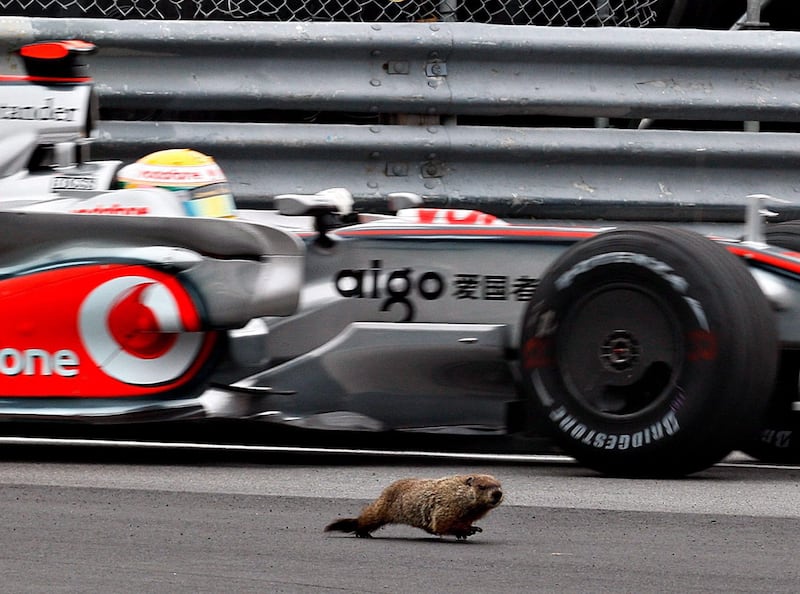
Groundhogs pop up regularly along the track, darting across the road and sometimes getting dangerously close to the action.
In 2025, one of those encounters left seven-time world champion racer Lewis Hamilton visibly shaken.
“I was feeling optimistic and then, I didn’t see it happen, but obviously I heard that I hit a groundhog,” he said. “That’s devastating.”
He later said he was heartbroken.
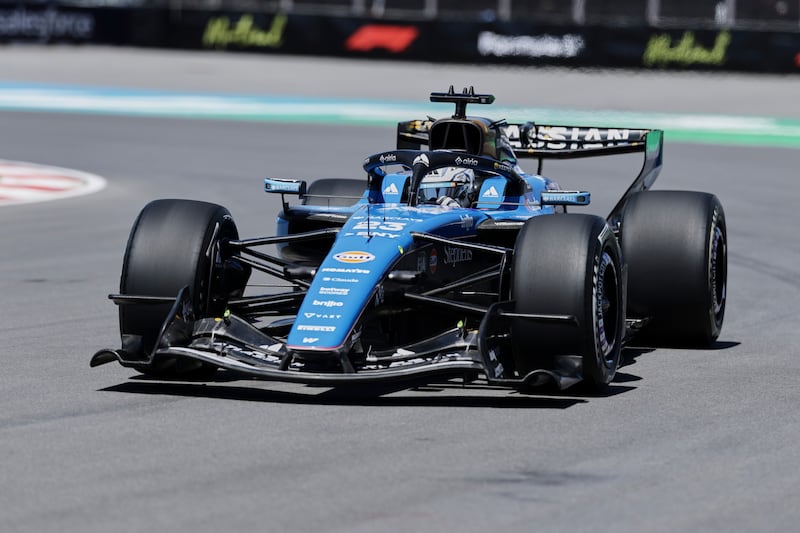
During Friday’s practice, Alexander Albon hit a groundhog, which sent his car into the barriers.
Favourable but risky habitat
Officials are now defending their wildlife management operation around the track.
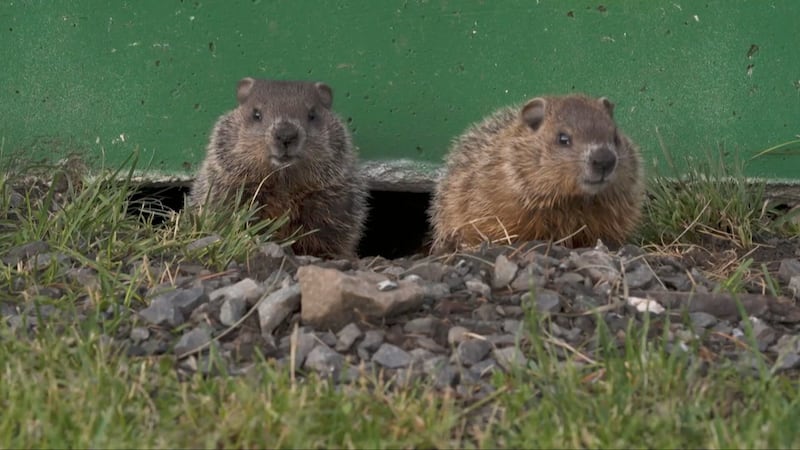
“Jean-Drapeau Park provides a favourable habitat for many small animals, particularly groundhogs, due to the low presence of their natural predators,” said the Parc Jean-Drapeau Society. “However, their presence on Île Notre-Dame, especially along the Circuit Gilles-Villeneuve, can lead to risky situations for park users—particularly due to their interaction with cyclists and other circuit users—as well as for the wildlife itself. To ensure safe coexistence for everyone, Parc Jean-Drapeau carries out wildlife management operations every year.”
To try to prevent accidents, the society says about 30 animals (20 groundhogs and 10 raccoons) were captured in early May and relocated to “a more suitable environment on Île Sainte-Hélène (where Parc Jean-Drapeau is located).
“The cages contain food and water, and every precaution is taken to minimize stress for the animals,” the society said.
The relocation operation was carried out before the animals’ birthing season.
In addition, the society said geolocation systems and other devices to better understand where wildlife is most present and document intervention zones.
Relocated but not safe
Animal rescuer Rob Boisvert is not convinced.
“You might be able to relocate the mom, but chances are, the babies are scared out of their minds,” said the co-founder of 269 Animal Rescue. “They’re now back down in the den, depending on their age, and they’re not going to be able to look after themselves and chances are, they’re going to die.”
The park says it wrapped up its relocation operation on May 15, earlier than usual because of the Grand Prix’s advanced schedule.
Boisvert says that regardless of the time, moving animals away from familiar territory can create even more risks.
“It’s in an area where they know their food and water sources,” he said. “They also know the predators’ situation.”
After Friday’s collision, the Parc Jean-Drapeau Society said it continues to work with partners and does seasonal assessments to review its wildlife management practices.

