
An Ontario researcher with the University of Windsor has won an international award for his work on ice loss on the Great Lakes.
Dr. Michael McKay has been analyzing climate change affecting the ice atop the lakes, which is affecting light underwater that microscopic life needs to live.
As the ice disappears, wind and water can stir the sediment underneath, which clouds the water and blocks sunlight from the species at the bottom of the food web from photosynthesizing.
“Without daylight, we wouldn’t have life on Earth as we know it,” said McKay, director of the Great Lakes Institute for Environmental Research (GLIER) and a professor at the university’s School of the Environment.
“These are organisms upon which all other life on Earth depends. They are small but they are mighty.”
McKay has been named a 2026 laureate of the Daylight Award for Research, which is awarded by the Daylight Academy. It was presented on May 16, named the International Day of Light by UNESCO.
Also recognized were McKay’s collaborators, Brittany N. Zepernick and Steven W. Wilhelm.
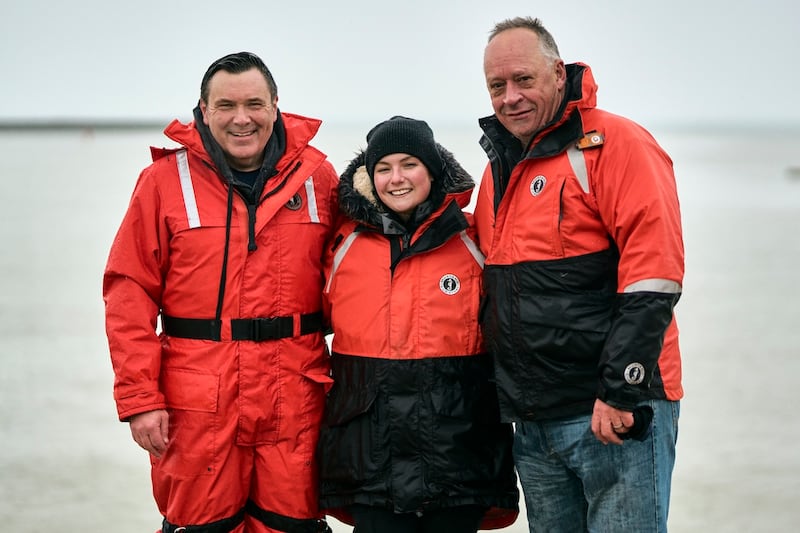
According to the research, light plays a role in everything, such as diatom growth, parasite interactions, optical and remote sensing approaches in toxic algal bloom monitoring. According to McKay, while it might just seem like ice melt, it is actually causing a loss of habitat for microscopic creatures, which can affect the food web that work in the winter.
“Receiving the Daylight Award 2026 came as a wonderful and unexpected surprise for our team,” said McKay.
“This recognition underscores the global importance of the Great Lakes, both as a vital ecosystem supporting nearly 40 million people and as a proxy for north temperate lakes and ice-covered coastal ecosystems worldwide.”
The Daylight Award is given in two categories, research and practice. McKay and his team won in the research category. It looks to “deepen understanding of daylight’s role in human life and the wider ecosystem.”
“Dr. McKay is conducting globally leading, internationally recognized research with profound implications for biodiversity, water quality, and climate resilience, advancing solutions to critical environmental challenges,” said Dr. Shanthi Johnson, vice-president of research and innovation at UWindsor.
“This international recognition of research excellence and global impact underscores the importance of discovery-driven science in addressing pressing global environmental challenges and delivering solutions.”
Along with the award comes $160,000. The award will be presented to the team on May 27 in Copenhagen.