The federal government is putting new border measures in place to prevent Ebola cases from spreading to Canada, as the number of cases continues to rise in the Democratic Republic of the Congo, Uganda and South Sudan.
Starting this week, people travelling from the affected regions will have to self-isolate for 21 days. Immigration, Refugees and Citizenship Canada (IRCC) is also pausing final decisions on several immigration applications.
In a technical briefing to reporters ahead of a press conference by the health and immigration ministers, government officials said new measures are being implemented as of Saturday under the Quarantine Act.
The officials said the health risk to Canada is “currently considered low,” and that no travel-related cases have been reported.
Starting May 30, any Canadian citizens, permanent residents, individuals registered under the Indian Act, and foreign nationals who have been in the affected countries in the last three weeks will still be allowed to enter Canada, but they must undergo a health assessment upon arrival and comply with public health measures.
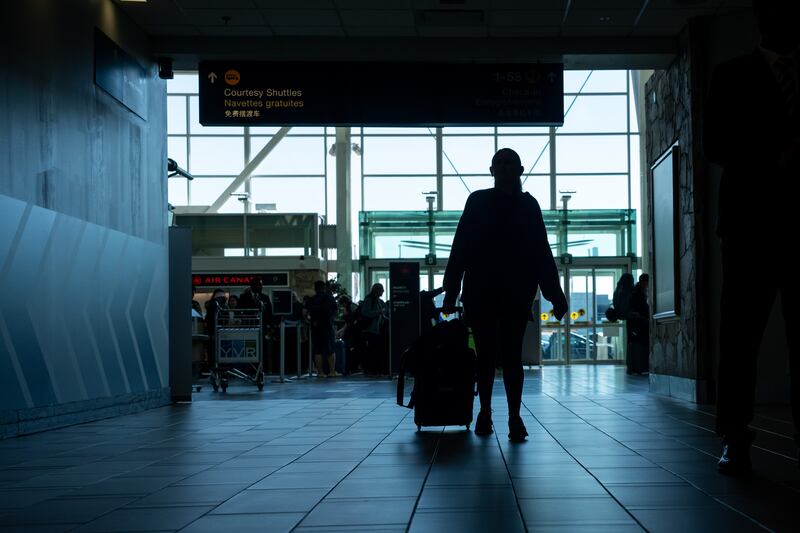
Travellers with symptoms will be transferred to hospital for their medical assessment, and travellers without symptoms must present a plan to self-isolate for three weeks.
According to the World Health Organization (WHO), Ebola is rare in humans and transmitted through direct contact, though it is severe and often fatal. The disease is currently ravaging the DRC, where officials declared an outbreak earlier this month.
The WHO is warning the type of Ebola currently being seen in the DRC and Uganda has no vaccine or specific treatment, but says it’s working on them.
Citing the WHO, a government official pointed to the uncertainty around the number of Ebola cases and their geographic spread, and said Canada’s new measures are out of “an abundance of caution.”
About 350 people a week travel to Canada from the three countries of concern, the majority of which — about 60 per cent — are Canadian citizens or permanent residents, according to government officials.
“We are putting forward a precautionary approach to ensure the safety and security of Canadians,” said Health Minister Marjorie Michel in a press conference on Parliament Hill Tuesday. “The response we are putting in place is aligned with the U.S. and Mexico, because we said we were taking a regional approach, particularly in the context of (the FIFA men’s World Cup).”
Asked why the federal government is implementing the new measures despite historical warnings from the WHO that certain immigration restrictions often stem from fear rather than science, Michel again pointed to the World Cup.
“People in Canada are still traumatized by what happened with previous outbreak,” Michel also said, referencing the COVID-19 pandemic. “And now I think we have to protect them the more we can.”
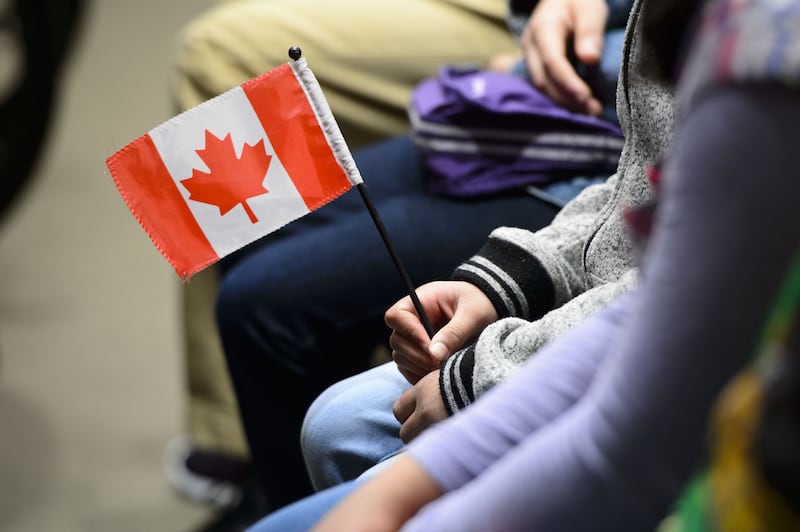
New immigration measures coming Wednesday
The IRCC is also implementing a slate to measures starting tomorrow to reduce the risk of the disease spreading to Canada, including temporarily suspending certain immigration documents by residents of the DRC, Uganda, and South Sudan.
Officials in the tech briefing also said they’re pausing final decisions on certain applications — including permanent residence visas, temporary resident visas, electronic travel authorizations, study permits, and work permits — from residents of those three countries for the next three months.
They said immigration staff will continue to process applications in the meantime, but will not make any final decisions on them for 90 days. The measure could be extended, amended, or lifted sooner than the 90 days, depending on the situation in Central Africa, the officials also said.
Speaking to reporters on Parliament Hill alongside Michel, Immigration, Refugees and Citizenship Minister Lena Metlege Diab said: “Let me be clear: documents will not be cancelled.”
“Once the measures end, documents that have not expired will be reactivated, and there is no need for anyone to reapply,” she said.
“We don’t take these decisions lightly, but we must put the safety and security of Canadians as our top priority,” Diab also said. “This is a precautionary response to reduce risk to the people of Canada, and if the public health situation changes, these measures will be adjusted accordingly.”
Canada sending assistance to region
Michel said Canada is sending scientific assistance to the region following a request from the WHO.
The minister said in French that Canadian scientists have expertise in the disease, and the decision to provide assistance shows Canadian engagement with the global issue.

