An Ottawa mother is sharing her story after she, her two teenagers and adult son found themselves living in a tent in the woods, highlighting what advocates call hidden homelessness.
For the past few weeks, Amy Ayres says affordability and barriers to accessing shelter have left her family with nowhere else to go.
“They either didn’t have anywhere that would accommodate us as a whole or there was no room,” said Ayres.
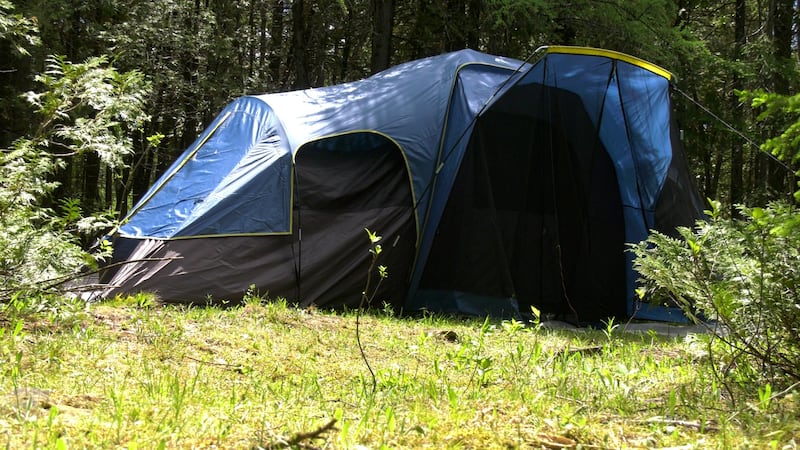
The tent, tucked in an Ottawa conservation area became home for her family for the past few weeks, including their dog and cat.
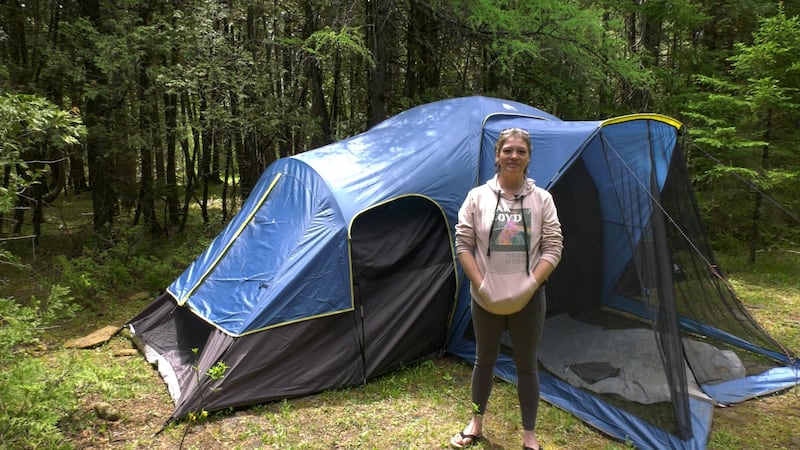
She says the hardest part has been trying to keep her family together while running out of places that would take all of them, including their pets.
“The bigger picture of it to me is us as a unit,” said Ayres. “It’s keeping us grounded. It’s keeping us focused and mentally stable and I’m trying to explain to the City of Ottawa outreach people, it’s important we stay together.”
Ayres said a friend has since offered the family a temporary place to stay, but finding a permanent home remains out of reach.
After the pandemic, she left her job as a personal support worker for mental health reasons and now relies on social assistance. Her oldest son works full-time in fast food, but says even with their combined income, rent is still unaffordable.
“With our combined income, you’re looking at maybe $4,000 and once you pay rent you have to pay hydro, food, medical expenses, we have vehicles, we have insurance — where are we going to come up with all of this?” Ayres said.
She also says being on Ontario Works has made finding housing more difficult.
“You’re labelled, so you’re skipped over or told ‘I’m sorry,’ and they move on to the next. So, it’s been difficult to find somebody who’s going to rent to us.”
Her story comes as Ottawa’s shelter system remains under pressure and the number of households waiting for subsidized housing continues to grow.
More than 16,000 households were on the city’s subsidized housing waitlist at the end of last year, with an average wait time of five to eight years, according to a City of Ottawa staff report.
“We have families and children as the biggest group of people in our shelter system, and we can absolutely be doing more than we are and that’s not on the city only that’s a national issue that is a provincial issue and we need those levels of government to step up.” said Kaite Burkholder Harris, executive director of the Alliance to End Homelessness Ottawa.
“About 40 per cent of Canadians can afford $1,700 a month as the max and that is not what we’re building for. So, I think we need to not just be building more, but we need to be making sure it’s targeted for who needs the housing and at what income level.”
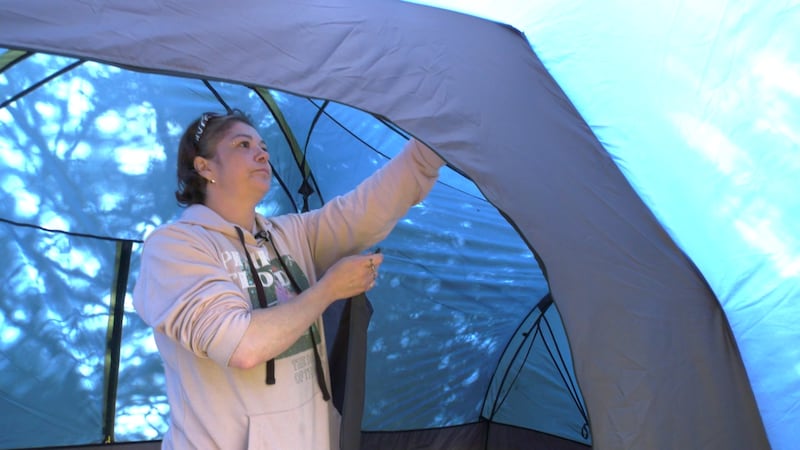
For Ayres, the first step is finding a permanent place of her own to call home.
“This isn’t where I want to be. I didn’t ask to be here,” she said. “It can happen to anybody.”
Ayres says she has recently received a call from a city outreach worker about a possible housing option, but for now she says she’s grateful her friend has given her family a temporary place to stay.

