THOMPSON, MAN. - Rose Moose Bighetty has been living in Thompson for the last eight months, but it hasn’t been by choice.
Her home in Leaf Rapids, Man., about 1,000 kilometres northwest of Winnipeg, was severely damaged during last summer’s devastating wildfires.
When Bighetty returned to her home in September, she found her roof collapsed, water damage throughout the house, mould and crumbling infrastructure. Her place was deemed unliveable.
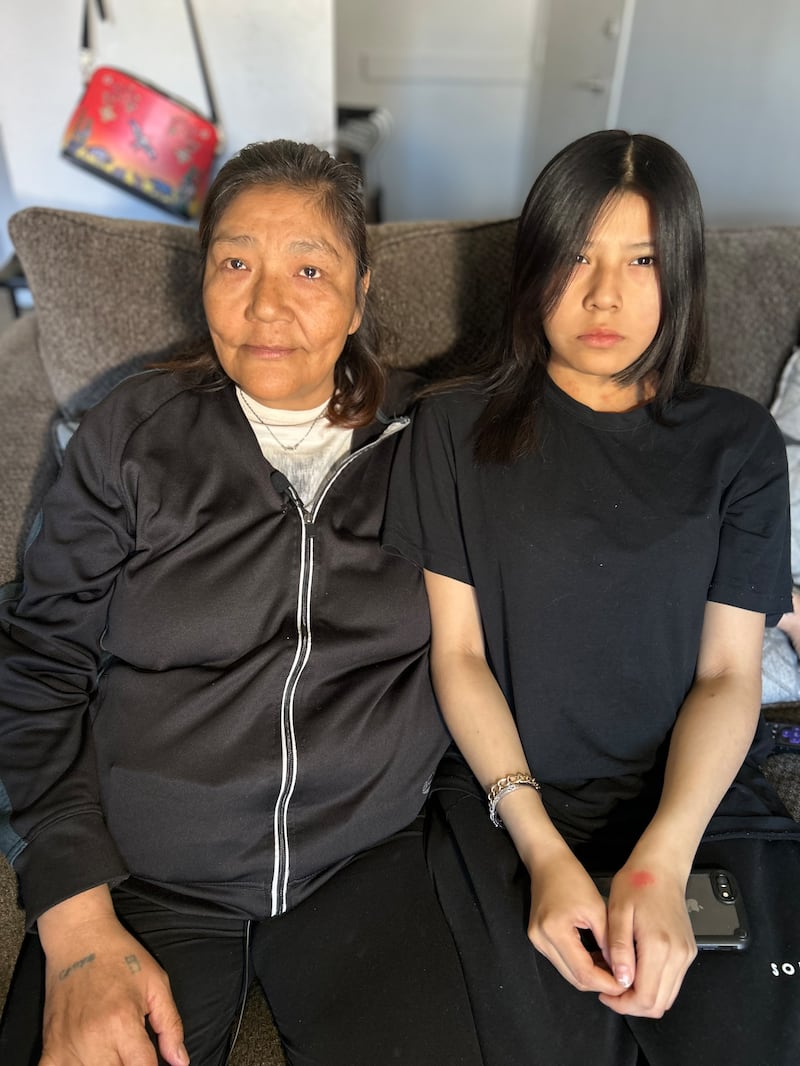
“It was hard. I couldn’t believe it. I didn’t expect to go home to that,” Bighetty said. “I was expecting to see the home the way I left it.”
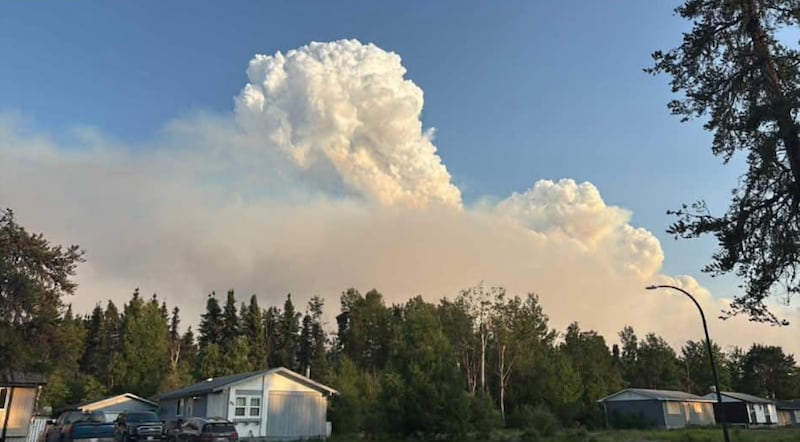
The wildfire crossed the Churchill River and entered parts of Leaf Rapids, damaging several homes and structures. Burned forest still lines the edge of the community, showing how close the fire came to the town’s centre.
Last year’s devastating wildfires, which were among the worst in Manitoba’s history, forced the entire community of Leaf Rapids to evacuate.
The nearly 350 residents were sent to Thompson and Winnipeg, and like Bighetty, dozens have not returned. The community now only has about 200 to 250 people left.
Many homes now sit boarded up or abandoned, with no plans for repairs.
Bighetty said she has been fighting to have her home fixed but still has no answers about whether she’ll ever return.
“It scares me,” she said. “I really wanted to go home to Leaf Rapids.”
“My son and my grandchildren still live in Leaf Rapids, along with my nieces and my nephews. I still have family in Leaf Rapids, and I don’t get to see them very often because I’m here and it’s hard here.”
Others have chosen not to return at all.
Major barriers to services
Elizabeth Charrier lived in Leaf Rapids for over 20 years and raised her kids there.
But following the evacuation last summer, she decided not to return. She’s now living in Brandon, which is Manitoba’s second largest city in the southwest part of the province.
“It’s sad,” she said. “Recently, my kids were talking about how much they missed home and they want to go home and see their friends.”
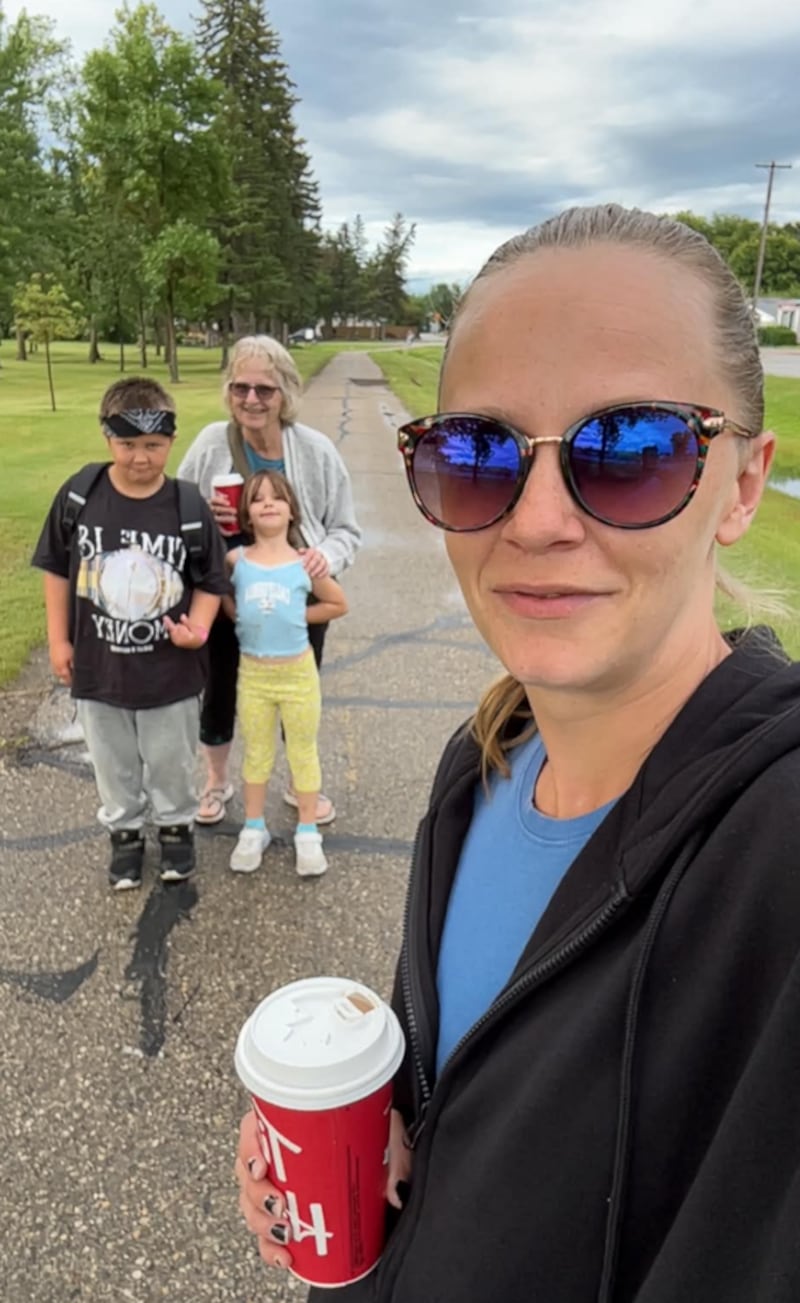
“But there might not be much of a home to go back to if it keeps going the way that it’s going.”
Charrier points to the town’s long-standing struggles. Once a thriving mining hub tied to the nearby Ruttan mine, Leaf Rapids has faced decades of decline since the mine closed in 2002.
The community now faces a long-term boil water advisory, aging infrastructure, limited jobs and a lack of services. In 2019, the town’s mayor and council dissolved, leaving administration under provincial oversight.
Health-care access has become one of the biggest concerns.
The nearest health centre is in Lynn Lake, more than an hour away, while Thompson is a three-hour drive.
Charrier recalled suffering a medical emergency last year and was transported by ambulance to Lynn Lake.
“By the time I got to Lynn Lake, my arms, my hands, everything was tightening up and I was on the verge of having a heart attack,” she said.
“That was the eye opener for me. The health care there (Leaf Rapids) has gone nothing but down hill, and it’s basically non-existent in Leaf Rapids.”
“If you don’t have a vehicle to get to Lynn Lake or the ambulance is busy, you’re waiting and that’s scary,” she said.
She said residents have spent years pushing for better services with little progress.
A spokesperson for Manitoba’s municipal and northern relations minister said the province is working to address administrative issues in the community and will continue supporting residents.
Advocate Kyle Mason says northern communities continue to face major barriers.
“Things are a lot more expensive and it’s a lot harder to get needed items in these communities,” said Mason, who is also the executive director of Food Matters Manitoba. “We need to see our families in the north as part of our own communities.”
Leaf Rapids’ only grocery store is also set to close, forcing residents to travel at least an hour for food, which has Mason concerned.
“When it comes to food, people have a right to good nutritious food at a good price,” he said.
“Locally, people shouldn’t have to drive hours out of their day just to access something as simple as a grocery store.”
“Our systems need to find a way to make sure that people have access to good, nutritious food close to their home. It’s not a big ask; It’s a fairly simple thing that people should be able to expect from the system and from the government,” Mason continued.
‘Very frustrating’
Bighetty, who is originally from Granville Lake, has lived in Leaf Rapids for over two decades.
She feels her community is left out and forgotten and is calling on the government to make immediate changes to help her home community get back to the thriving town it once was.
“I don’t even know why the government is trying to shut Leaf Rapids down,” she said.
“Nobody is helping our community.”

