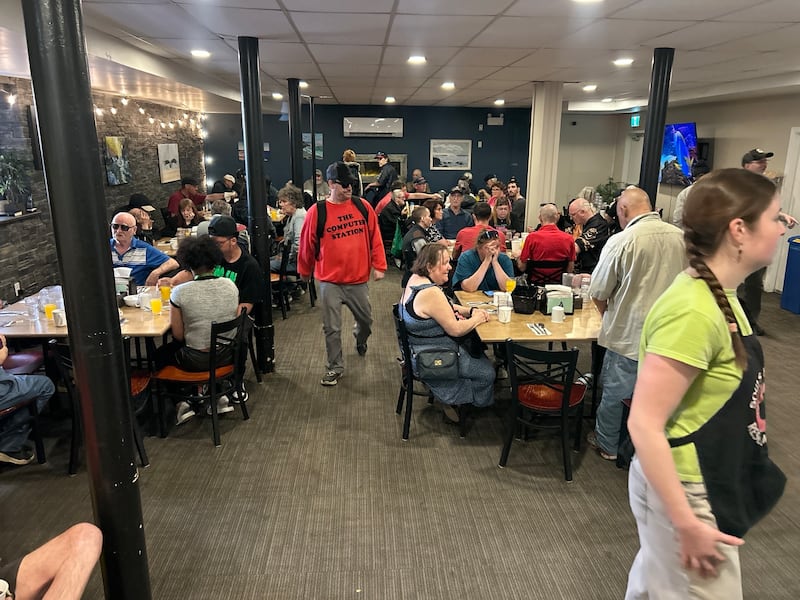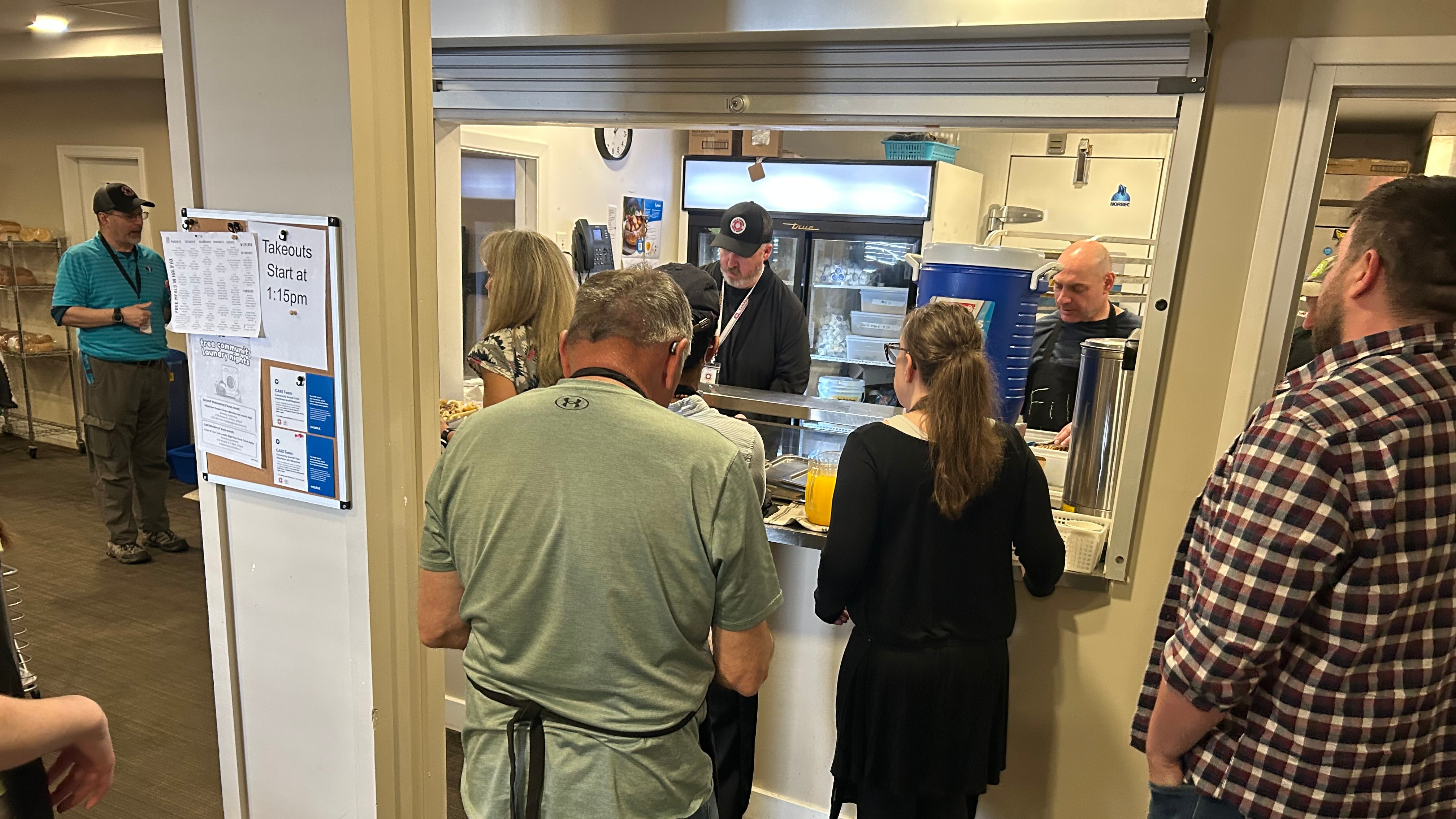
HALIFAX - As fuel prices climb, transportation and shipping costs are being passed on to consumers, and Soul’s Harbour Rescue Mission is struggling to stay ahead during a tough economic situation.
“Our energy costs across the board have risen 12 per cent at Soul’s Harbour,” said CEO Michelle Porter. Every day, at nine locations across Nova Scotia, Soul’s Harbour provides overnight shelter for more than 100 people, while serving 1200 meals, she added.
“An 11 per cent increase can cut into the revenue needed to buy food and take care of people,” Porter said.
People like Kim Reid, 52, use Soul’s Harbour as a critical lifeline.
“I can’t afford groceries. Without places like this, I would starve to death,” said Reid.
Porter is watching the high energy costs closely, because it limits the amount of money available to buy food and materials, and it lowers public donations, since some people can no longer afford to give.

“It’s going to put a hit, not only on our budget and other charities, but the average consumer,” she said.
The executive director of the Affordable Housing Association of Nova Scotia sees affordability as a crisis not just in his province, but across the country.
“Prices of things have gone up faster than wages in our society, and that impacts people living on lower wages,” said Michael Kabalen, who has concerns about the continued crushing impact on shelters and charitable organizations.
“As costs go up, we are seeing charities and non-profits who support folks also struggle,” Kabalen said.
As the cost of energy continues to climb, it raises questions about sustainability and how long Soul’s Harbour can survive in this financial climate.
“I think if it went on forever and ever, and we were severely impacted financially by the economy, we would probably have to close some of our smaller centres in the communities,” said Porter, who sees that as a worst-case scenario. “I would just hate to do that.”
Times are tough, but Porter said she is keeping the faith.
Soul’s Harbour will try to find creative strategies to raise money and increase donations, so they can continue to support Nova Scotians who are dealing with food and housing insecurity during a time of skyrocketing energy prices.