SURREY, B.C. – Jenn Dunn still remembers the day she got her daughter Kya, who has severe autism, a referral to a pediatrician.
“I’m not exaggerating, I was on my knees in tears, and I said I’m not leaving here until I get some help. Nobody will help me,” Dunn recalled of the rock-bottom moment inside a walk-in clinic.
That day, a decade ago, was only the beginning of a saga to secure health care for a child with specialized needs that continues today.
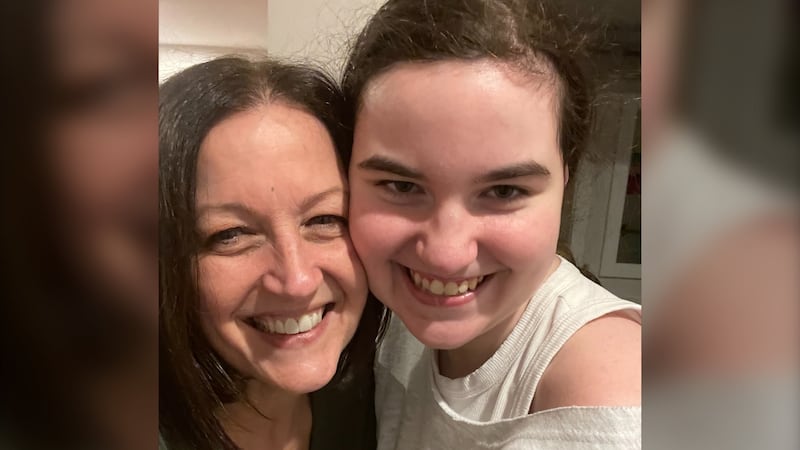
“We just waited nine months to see a specialist,” Dunn said. “And the procedure she needs is a nine-month to 12-month wait again. So, it’s almost two years for something my daughter needs.”
She praises the care at BC Children’s Hospital, where Kya is most often treated, and where she says tired-out staff are working within a broken system.
“They tell me there just aren’t enough doctors. And then for (Kya), there’s just not enough specialized care.”
Dunn says her top focus is her daughter, but her own care situation is bleak. She says she has unsuccessfully searched for a family doctor since before Kya was born.
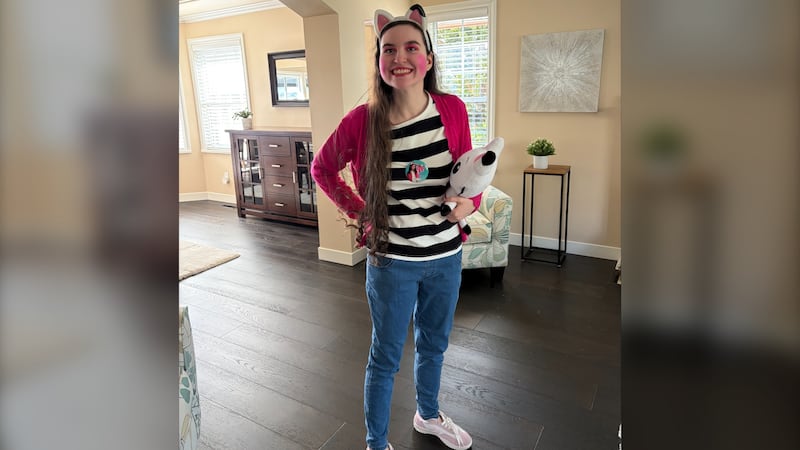
“I was pregnant with my daughter, and she just turned 16,” Dunn said. “I have gone on extensive wait lists, but I never … it’s like a lottery to get in.”
Dunns’s experience is echoed in a new Nanos research poll of 1,000 Canadians, who most commonly named long waits as their No. 1 health-care concern, followed by poor access to service and shortages of both doctors and staff.
More than 90 per cent of those polled said there needs to be change in the system, and more than two-thirds are open or somewhat open to having providers use artificial intelligence to assist with diagnosis and treatment plans.
Sixty per cent expressed openness to allowing private organizations to deliver publicly funded surgeries and diagnostic tests to reduce wait times.
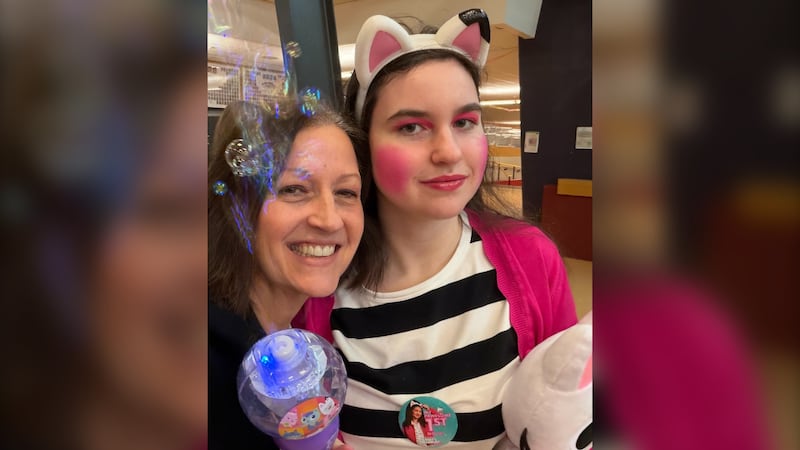
Patrick Nelson, a managing partner with Santis Health, the health-care consulting firm that commissioned the poll, says reform is challenging because of the size and complexity of the system.
“The health system, generally, is so hard to turn this big ship around,” Armstrong said. “Whether it comes to using virtual care, allowing health professionals to use AI, allowing health professionals to do more of the things that traditionally doctors would do.”
Only 14 per cent of Canadians polled believe the health-care system is heading in the right direction.

