Extreme weather is being forecast for the coming months, thanks to a potentially strong El Nino, which the United Nations predicted Tuesday will lead to a spike in global temperatures.
While that would likely trigger extreme weather events here in Canada, Environment and Climate Change Canada climatologist David Phillips warns that it could mean different things for different regions.
According to the World Meteorological Organization, the climate phenomenon of an El Nino “is characterized by a warming of ocean surface temperatures in the central and eastern Equatorial Pacific.” It generally happens every two to seven years and lasts between nine and 12 months.
Phillips said there’s a lot of uncertainty to the forecast, but generally, that’s the pattern.
“There’s not a balance of weather,” he told CTVNews.ca. “Either some areas get too much weather (or) some areas don’t get any weather, so it makes the extremes more amplified and more exaggerated.”
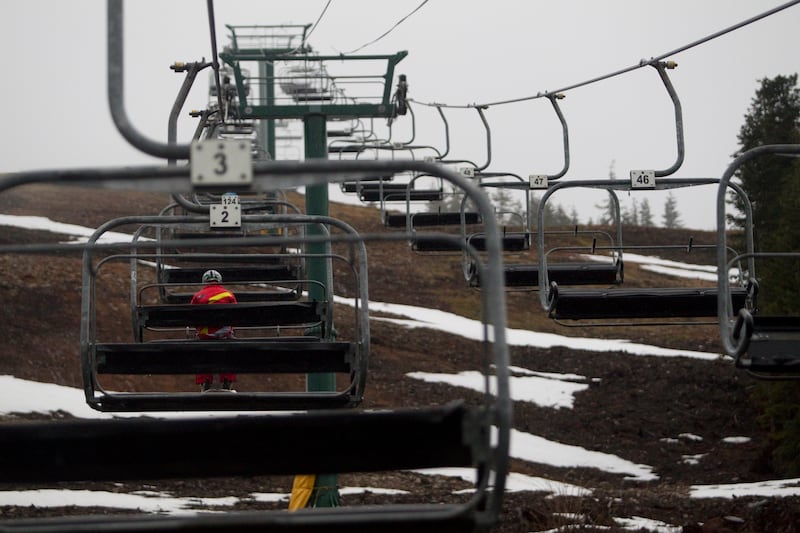
Year after El Nino typically warmer
In the past 70 years, Phillips said there’s been 29 El Ninos, but only three had been classified as “super El Ninos” – a threshold of the warming of sea surface temperatures by two degrees or more.
When he looked at the last three super El Ninos - 1997-1998, 2015-2016 and 2023-2024 – he noticed that the extreme weather generally impacts winters in Canada the following year.
“Because (El Nino) is starting in 2026, but it’s going to go into the next year, a lot of that residual heat in the oceans will be warming the air in 2027,” he said.
The year 1998 was the fifth-warmest year in 80 years, while 2016 was the seventh warmest and 2024 was the warmest on record.
In 2024, for example, Ottawa only got 60 per cent of its usual amount of snowfall, temperatures were more than four degrees warmer than normal, they had no days below -20 C (the average is 16 days) and they had no skating on the Rideau Canal, due to the warm weather.
“It goes to show you that El Nino, whether weak or moderate, strong or very strong, really does make us have tamer and softer winters in Canada,” Phillips said.
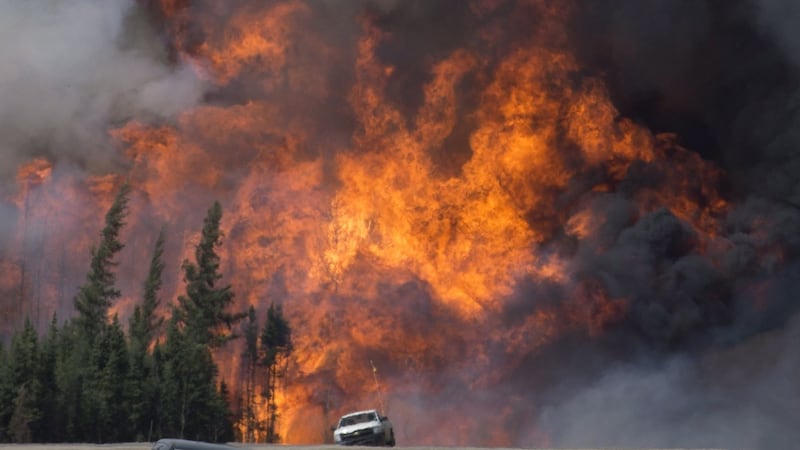
Meanwhile, in the following summer, parts of Canada experienced serious wildfires, including Jasper, Alta., which forced a mass evacuation of most of its residents.
However, Phillips stresses that despite El Nino having an impact, a lot of factors come into play when it comes to weather.
“It has an effect on our winters, and then the following summer, there may be some spill off of that,” he said.
Phillips added that El Nino is more of a heads up than a detailed forecast of what’s to come.
“It’s almost just saying it’s not going to be hot or cold, it’s going to be impactful,” he said. “You’re going to have droughts or floods or storms or high water levels, so start planning for it and do what you can to avoid it.”

