In a rare joint warning, Canada and other Five Eyes intelligence sharing countries say China is using professional networking sites like LinkedIn, Indeed and Upwork to target current and former government or military personnel who could have access to “classified or privileged information.”
The alert was drafted by the Canadian Security Intelligence Service (CSIS), the Australia Security Intelligence Organization, the New Zealand Intelligence Community, the United Kingdom’s MI5 and the U.S. Federal Bureau of Investigation (FBI).
According to the security agencies, the foreign actors use an aggressive online recruitment strategy where intelligence officers or affiliates pose as “employees of private consultancies, think tanks or human resources firms”.
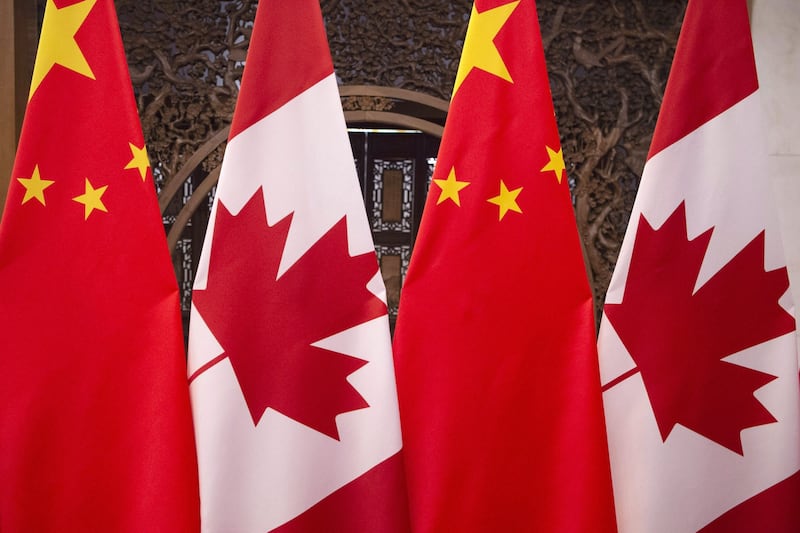
Those targeted who do respond to the fake messages are pressured to provide “non-public” information about “unspecified clients who are associated with the Chinese government,” according to the Five Eyes report.
The security agencies say the goal of the operation is for the Chinese military intelligence services to “acquire privileged military, political and economic intelligence that can provide China with a strategic and tactical advantage over the Five Eyes.”
CSIS notes that even a small piece of information given to a foreign actor can be combined with more “sensitive reporting” to undermine Canada’s interests.
“By providing this security alert, we are helping Canadians to remain vigilant in order to protect our national institutions and safeguard our secrets,” CSIS director Dan Rogers wrote in a statement.
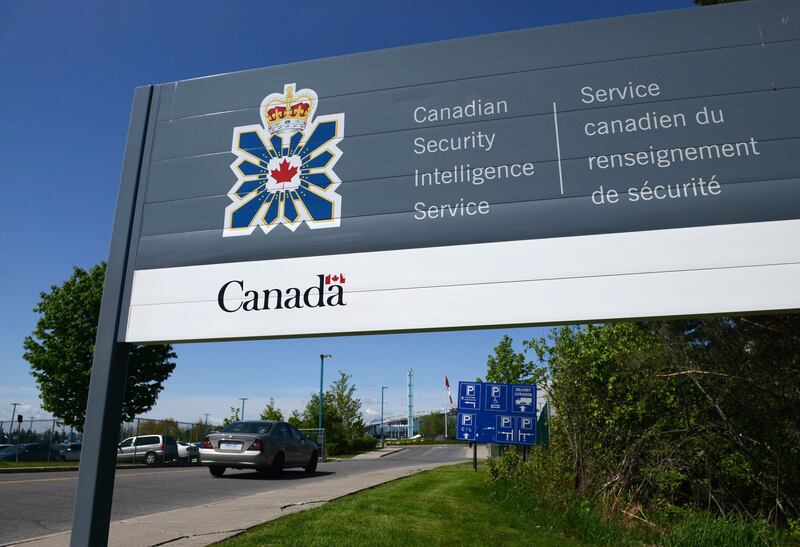
In addition to the warning, CSIS also published a fact sheet, warning government employees who are at risk, underlining no matter where they work in the government or military.
CSIS also warns Chinese intelligence officers will try to recruit and cultivate relationships with security clearance holders who may specialize in defence, foreign affairs and security and intelligence.
Military personnel could also be targeted, as well as people with indirect or “peripheral access to government information.” The warning states academics, journalists, freelance writers, and think tank employees could be the focus of China, according to CSIS.
‘Unprecedented development’
Vina Nadjibulla, who serves as vice-president of research and strategy at the Asia Pacific Foundation of Canada, told CTV News that China’s spy operation “really is a sophisticated campaign.”
“It shows an evolution in tactics from the Chinese security institutions,” said Nadjibulla. “I think the alert that we saw issue today really should be taken seriously, and it is quite an unprecedented development.”
Warning comes amid relationship reset
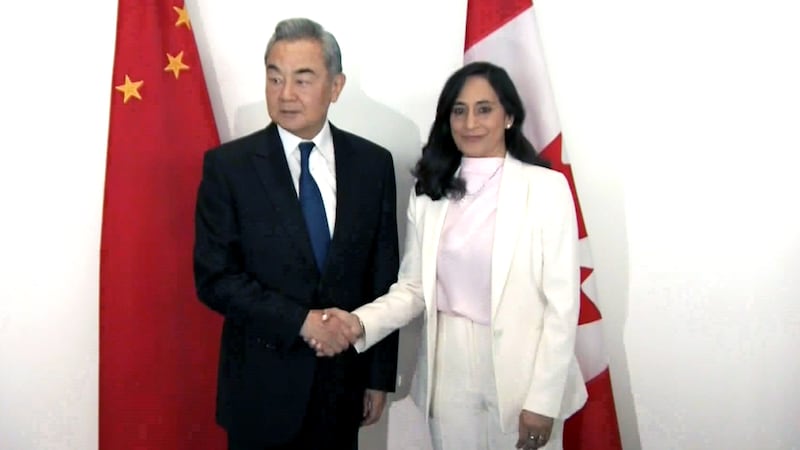
The warning comes days after China’s minister of foreign affairs, Wang Yi, held meetings in Ottawa with Prime Minister Mark Carney and Foreign Affairs Minister Anita Anand.
After years of tensions, the two countries have been attempting to recalibrate in relations ever since Carney was elected in 2025. In her remarks before a meeting, Anand said the goal was for Canada to increase exports to China by 50 per cent by 2030, “while safeguarding Canada’s economic and national security interests and values.”
In his own remarks, Wang boasted that number could reach 100 per cent growth, while also warning a “commitment to mutual respect, to commonality despite differences, to independence and to mutual benefit” are important for both sides to “uphold.”
Earlier this year, Canada and China also reached a deal to allow up to 49,000 Chinese-made electric vehicles into Canada annually, with a tariff rate of 6.1 per cent.

Nadjibulla says the timing of all this reinforces the point that engagement with China “cannot mean silence on national security”. She also stressed how important it is that the Five Eyes partners are issuing such a public statement.
“Transparency is part of building resilience,” Nadjibulla told CTV News. “The purpose of this alert is not to create panic or stigmatize communities. It is to inform people who may be targeted and give them practical tools to act and respond.”
The Ontario government, meanwhile, said it will ban the use of Chinese-made drones for “highly sensitive” policing operations over concerns about data security. The provincial government also said it would move forward with a plan to phase out the use of Chinese-made drones moving forward.
“Now more than ever, it is critical that we are protecting our province’s data and safeguarding our security against bad actors,” Minister of Public and Business Service Delivery and Procurement Stephen Crawford said in the release.
The statement from Ontario noted that under Chinese law, companies incorporated in that country, “may be required to disclose data, even if that data is stored outside the country.”
With files from CTV News’ Stephanie Ha and Abigail Bimman

