Paramedics will soon be available around the clock to respond to overdose calls in downtown Winnipeg, but some front-line workers are questioning where the staff for the new unit will come from, as the city continues to face a paramedic shortage.
Earlier this week, the Manitoba government announced more than $1 million in funding to help front-line workers respond to the toxic drug crisis.
The investment includes training initiatives and the creation of a dedicated mobile paramedic team in downtown Winnipeg.
“Every day, front-line workers, outreach teams, shelter staff and community organizations are stepping up to support people experiencing the impacts of the toxic drug crisis,” Manitoba Housing, Addictions and Homelessness Minister Bernadette Smith said in a news release.
“These investments recognize the critical role they play in our communities and will help ensure they have the tools, training and support needed to respond when lives are at risk.”
The largest portion of the funding - $802,000 - will support a three-month pilot project featuring a two-person paramedic team operating 24/7 in high-demand areas of Winnipeg.
The province says the pilot will begin this month.
Premier Wab Kinew called the toxic drug crisis “terrible” and said the province is responding to concerns raised by front-line workers.
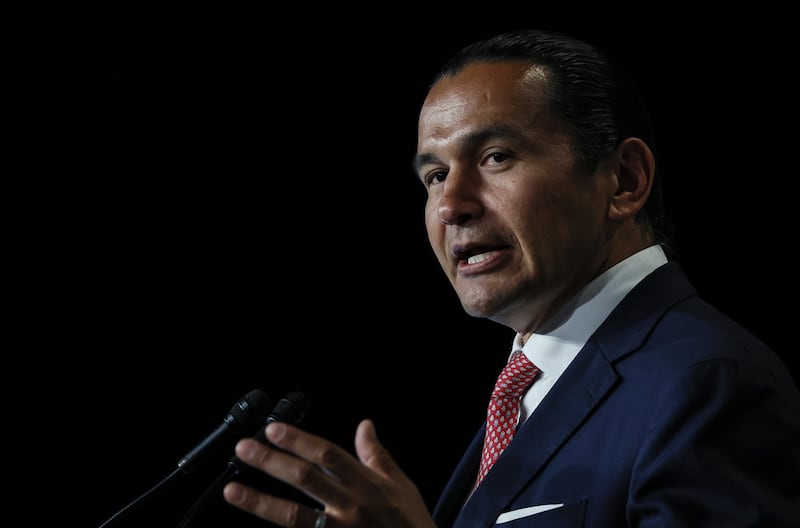
“This is something that we’ve been living with in Manitoba, in our province for many, many years, and we’ve seen the impacts,” he told reporters Thursday.
“We hear the outcry from first responders and people on the front lines, which is a real thing we have to pay attention to.”
The announcement comes after the city recorded more opioid-related calls than alcohol-related ones.
According to data from the Winnipeg Fire Paramedic Service, Opioid-related emergency calls also more than doubled in the first five months of 2026, with fire and paramedic crews responding to 2,435 cases, up from 1,085 during the same period in 2025.
Paramedic staffing shortage ‘acute’: Winnipeg Mayor
Winnipeg continues to deal with a paramedic shortage.
Winnipeg’s Mayor Scott Gillingham says several ambulances were out of service on multiple days last week due to a lack of staff.
“At the same time, the toxic drug crisis is placing extraordinary pressure on front-line responders, with rising overdose calls, more frequent use of naloxone, and complex situations where some individuals require medical support multiple times in a single day,” Gillingham said in a statement earlier this week.
“When ambulance units are unavailable, that pressure falls on firefighters, who are called to more medical incidents, potentially delaying their availability for other emergencies like structure fires.”
Adam Smithson of the United Fire Fighters of Winnipeg said both firefighters and paramedics are feeling the strain.
“Both departments are seeing an increase in calls and an increase in burnout and stress,” he told CTV News Thursday.
“It’s taxing on our members, but more so it’s taxing on the patients, the individuals, the family members and the community.”
Last week, Winnipeg Fire Paramedic Service Deputy Chief Ryan Sneath told CTV News the city has been advocating for eight additional ambulances, a move that would require 88 more paramedics to staff them around the clock.
Ryan Woiden said Winnipeg currently has at least 70 vacant full-time paramedic positions.
While he supports efforts to address the overdose crisis, he questions how the province plans to staff the pilot project.
“I just don’t think we can justify having an ambulance that is specific to overdoses when you’ve got somebody in a different area of the city having a heart attack and they can’t get them,” said Woiden, who is the President of MGEU Local 911.
“So, we want to make sure that we can respond to all calls for medical service here in the City of Winnipeg.”
‘Welcome help from anywhere’
Community advocate Mitch Bourbonniere welcomed the additional resources but said a broader approach is needed.
He would like to see expanded access to opioid replacement therapies, including methadone and suboxone, through mobile outreach services.
“I’d love to see a mobile RAM clinic unit out there with the availability to give people that medication replacement of methadone and suboxone,” he said.
“I would love to see those people be able to get a replacement medication so that they can start on their healing journey.”

