WINNIPEG - A University of Winnipeg student is studying ways to mitigate excess phosphorous in one of Canada’s largest freshwater lakes.
Lake Winnipeg is the 10th largest freshwater lake in the world and sixth largest in Canada.
Its drainage basin is almost a million square kilometres and stretches over four provinces and four U.S. states.
There are many things impacting the health of Lake Winnipeg, which has been on the decline for decades. Water flowing from cities including Edmonton, Calgary, and Winnipeg eventually drains into the lake, carrying excess phosphorus.
This excess phosphorus contributes to a process known as eutrophication, which fuels the growth of harmful algae blooms.
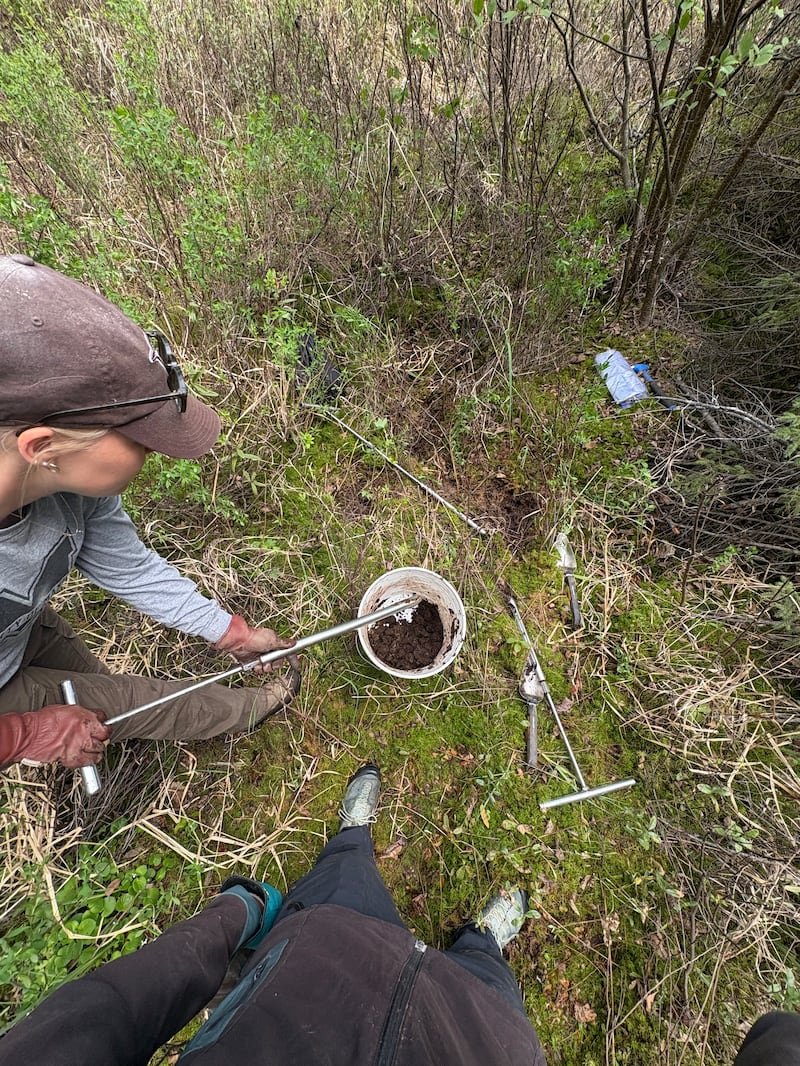
These blooms, often visible as green patches on the water’s surface, can contaminate beaches, degrade water quality, and threaten the communities and ecosystems that depend on the lake.
For her master’s research, 21-year-old student Allyza Tabirara is researching ways to reduce the amount of phosphorus entering the lake.
Her work focuses on agricultural drainage ditches and their potential to remove phosphorus before it reaches larger waterways.
“It’s not going in the right trajectory that we want,” she said. “I think more exposure to the ways in which we can mitigate more phosphorus loading, and toxin build up can really improve that.”
Drainage systems were constructed to enhance agricultural production, to support urban and rural development and to protect infrastructure such as roads or railways, according to the Manitoba government.
However, Tabirara says those same systems have also become pathways that carry phosphorus-rich runoff into streams, rivers, and ultimately Lake Winnipeg.
She believes her research could help identify practical solutions to one of the lake’s most persistent environmental challenges.
“Excessive amounts of phosphorus and nitrogen can lead to algae blooms,” she said.
“It could also lead to low levels of oxygen. It can also lead to fish kills (the abrupt death of a large number of fish), and overall progression of the water quality and ecological status of Lake Winnipeg.”

Tabirara has received several scholarships and awards to help support her research, which she says could take around two years.
“I’m hoping overall that the nutrients in Lake Winnipeg is decreased,” she said.
“I hope that my grad school project will be a small impact on that, and I hope that more people enjoy the lake, less algae bloom happens and we just have a better lake overall.”
Potential negative impact on economy
Excess phosphorus levels have impacted Lake Winnipeg’s water quality for decades.
Some worry further damage to the already fragile ecosystem could also affect the region’s economy.
“Lake Winnipeg is so important on so many fronts, from recreation and living, to the economic drivers,” said Armand Belanger, the manager of the East Interlake Watershed District in Gimli, Man.
“It’s a big driver for fish and for food, for our people across the nation, and it’s a place to enjoy and relax and to create the economy.”
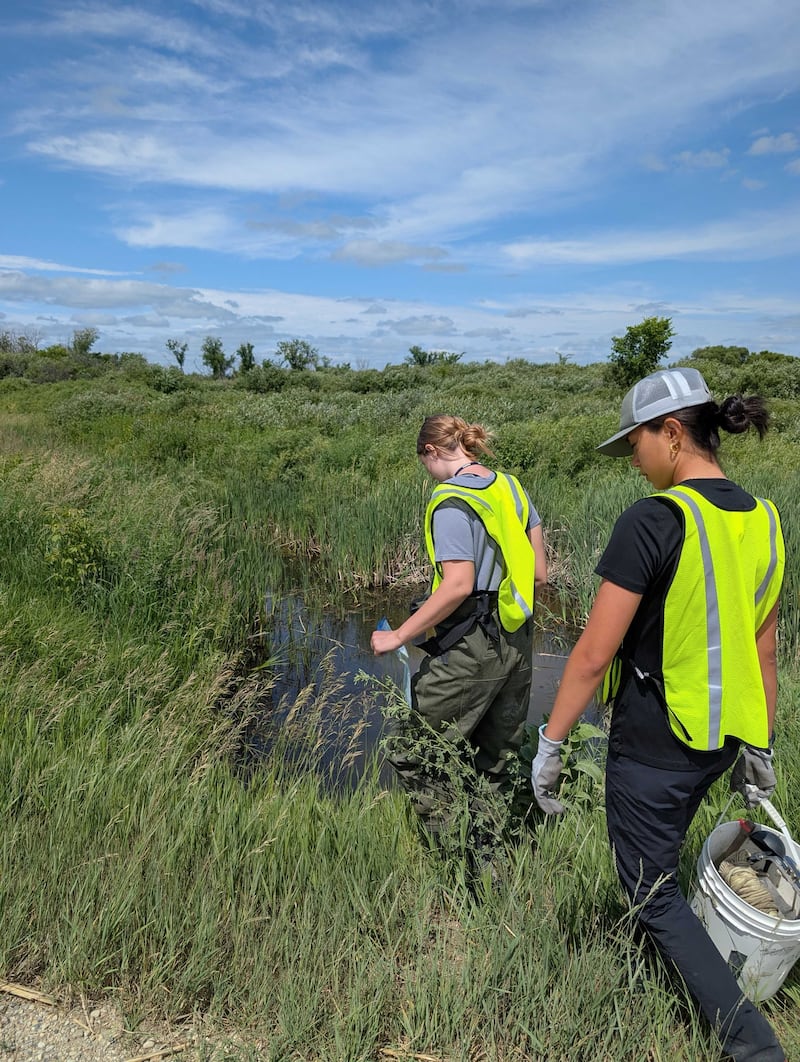
Belanger says protecting Lake Winnipeg starts with managing the land around it and welcomes research aimed at improving water quality.
“What we do on the land really affects the water quality in our streams and our lakes and our rivers,” he said.
“We really want to improve what we’re doing on the landscape to make sure that it’s there for generations to come.”
Hope for change
Tabirara says she hopes her research can make a meaningful difference. For her, the goal is simple.
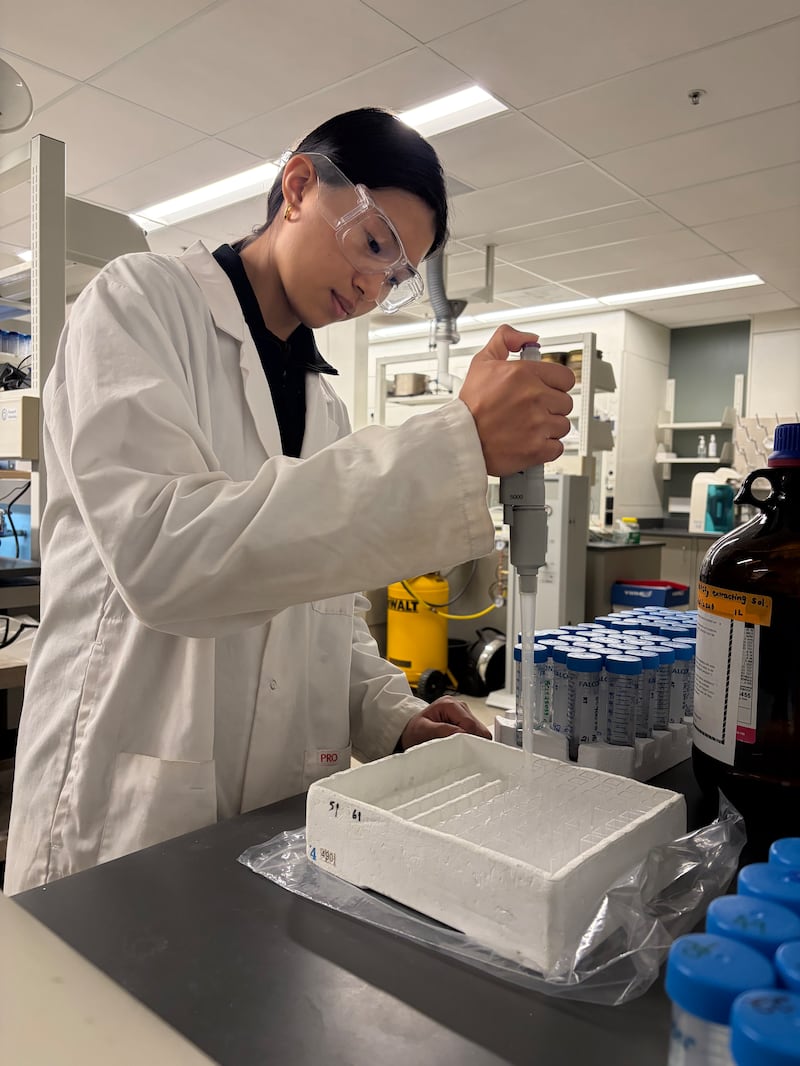
“We all love Lake Winnipeg,” she said.
“We all like to be outside and I think that finding ways to mitigate the phosphorus loading, the nutrient loading into Lake Winnipeg is really important.”

