A group of Montreal researchers is making progress towards developing a medication for Ebola, as well as addressing future potential pandemics.
The team at the Montreal Clinical Research Institute (IRCM) says it is working on a new “antiviral discovered in plants” that is showing promise.
The scientific team is led by Dr. Michel Chrétien and Dr. Majambu Mbikay with the IRCM’s Functional Endoproteolysis Laboratory, who “identified a new family of natural molecules with strong antiviral activity, notably against the Ebola virus and SARS‑CoV‑2, the virus responsible for COVID‑19.”
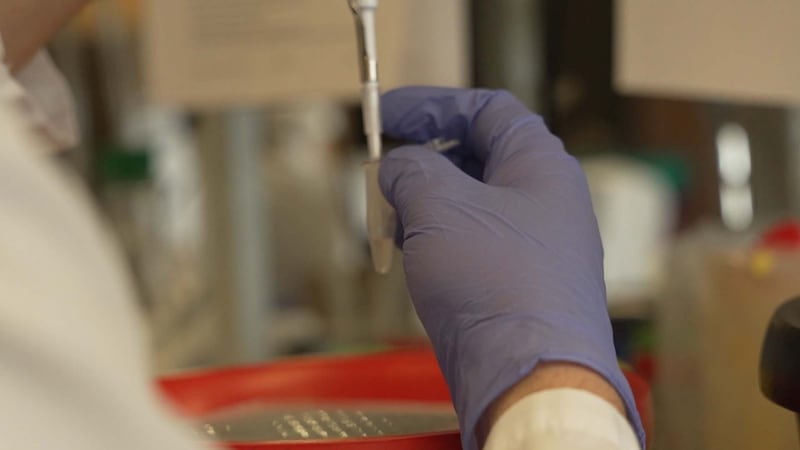
If successful, the medication could be taken to prevent people from contracting Ebola, as well as help those already infected.
“We are still working, and this one drug is particularly promising,” said Mbikay. “It’s a candidate drug, but we can’t say for sure [if] it is a drug that can be used in humans. That will come later on, but all the signs, all the indications are that it is probably a good one.”
The next step, according to the researchers, would be pre-clinical studies and testing on animals.
“We hope that the animal part may be more advanced in the fall,” said Chrétien. “When we’ll test it in Winnipeg with their new test, if it’s good in animals, then we can start to look for developing that drug for humans.”
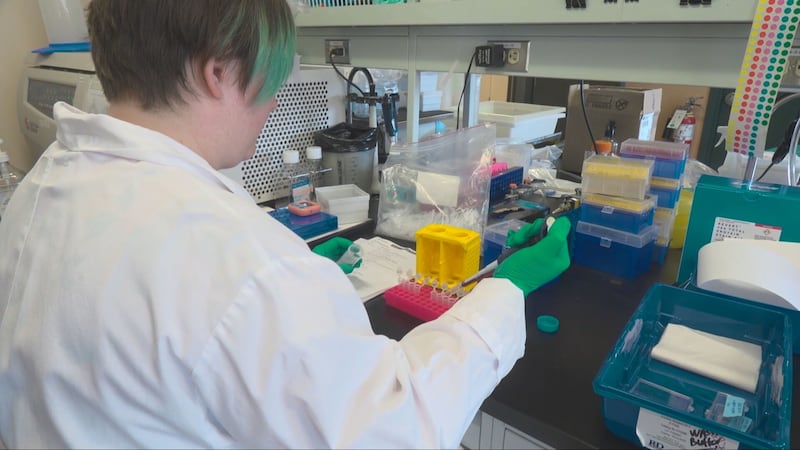
The team could not estimate when the drug may be available to treat human subjects.
“No one knows when the next pandemic will occur, but one thing is certain: we must be prepared,” emphasized Chrétien. “These results demonstrate the importance of long‑term fundamental research and international collaboration in anticipating the public health challenges of the future.”
The researchers’ study was first published in early March 2026 in the Journal of Natural Products of the American Chemical Society (ACS).

