FREDERICTON, N.B. – A child’s ability to read and write is something Ainsley Congdon thinks about a lot.
The trained teacher has seen students struggle first-hand, both in her classroom and in her tutoring program at the Learning Disabilities Association of New Brunswick.
Congdon is also a mom and spent five-years advocating for her daughter to get the right resources to help her read and write at her grade level.
“I had noticed that her reading development was different in kindergarten. And so, I started having the conversation with the school and the classroom teacher, in October, that first report card that came out,” she said. “At the end of the year, I said to them, ‘Okay, what are we doing for grade one?’ And so, a plan was set in place. She was put on a personalized learning plan and for accommodations and intervention. I don’t know if that would have would have happened if I did not intervene.”
New Brunswick has been singled out with some of the worst literacy levels in the country. This week, the province’s auditor general released an investigation into the state of the province’s literacy levels, finding that just four Anglophone schools – of 130 – achieved the grade four reading assessment target.
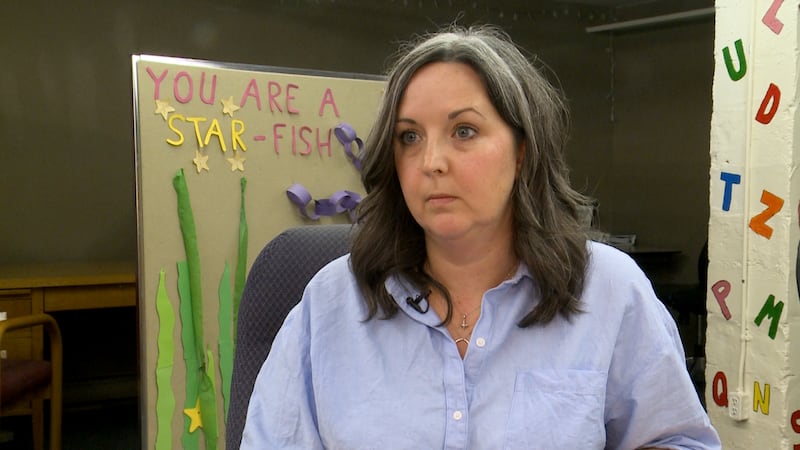
For Congdon, that’s not surprising. Her small team at the association has 90 students enrolled in their spring semester literacy program.
“We need to remember that to support students with their literacy and numeracy development, we have to put the children first,” she said. “See what their needs are. And then we need to support the parents so that they can support the student at home. And then we need to support our teachers.”
Long-time issue in N.B.
The issue is far from new in New Brunswick. Report after report, expert after expert have expressed concern about dropping literacy levels over the last decade.
READ MORE: New Brunswick child literacy rates plummet to 20-year low
In 2018, the then-auditor general Kim Adair-MacPherson released a report stating the education system lacked stability, with different governments making a variety of changes that affected the number of teachers and support staff. Some of those changes affected students’ ability to increase their literacy skills.
In 2022, the Child and Youth Advocate found that 60 per cent of children in grade two are meeting the standard of reading, down from a peak of almost 84 per cent in 2010. The last time the level was that low was in 2000, according to advocate Kelly Lamrock.
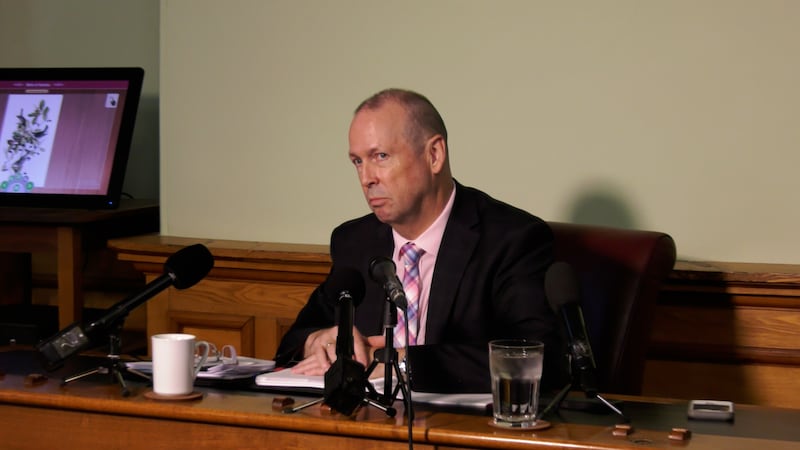
Four years later, those levels remain around 60 per cent among elementary students in grades two and four – in both the Anglophone and Francophone sectors, according to N.B.’s auditor general Paul Martin.
The target set by the Department of Education is 90 per cent.
But this week, the department released a new education plan, which included lowering that target. Now, each individual school are expected to see a 1.1–1.2 per cent increase in literacy levels each year.
During his audit, Martin heard from educators that their “workloads are unsustainable.”
“We don’t have enough people to actually try to help those that are falling below the target lines,” he said.
He says that responsibility falls at the feet of the department of education, not the school districts.
“They’re the ones that provides the funding and the budget money to the school district. So this is written with that intent in mind. They’re responsible,” he said.
Martin wants to see targets strengthened and better monitored.
He also recommends children access evaluation and intervention supports as early as possible.
For its part, the department of education states it agrees with the auditor general’s recommendations. Just this week, it released new education plans for both Anglophone and Francophone sectors.
“Both plans were informed by extensive public and internal consultations that helped illustrate New Brunswick’s current reality and shaped their development accordingly. The education landscape is vastly different today than it was 10 years ago, and these plans reflect that,” a department spokesperson wrote in an emailed statement.
The department has promised more funding to add 210 educational assistants, 40 more resource teachers and 20 school counsellors.
New curriculum in place
Erica Klein calls it an “ongoing issue.”
The literacy specialist and founder of Lit Up Literacy tutors children six days per week, helping people with a range of learning disabilities, like dyslexia, or those with ADHD, autism or dysgraphia.
She feels there’s not enough training or supports in the system to support all the children in need.
“With growing numbers of people being identified with learning challenges, along with a large number of students who do not have English or French as a first language, there is a massive need for support in our schools, and not enough people (or money) there to help kids,” she said.
From her standpoint, she feels French immersion programs don’t have specialized literacy support. So, when children with literacy challenges attempt to access their right to education in French, they “often have zero extra support in French.”
“Eventually, they are either defeated and give up or are actively encouraged to switch to English,” she said.
In 2022, the International Students Assessments study found the percentage of students age 15 who could read at or above the appropriate level was 72 per cent – the lowest in the country.
The Canadian average was 82 per cent.
Congdon says the system is plagued by inconsistencies. But she’s hopeful change is on the horizon.
It’s been five years since a new curriculum was introduced, called “Building Blocks of Reading.”
“It addresses all areas of reading and reading development. So students who do not have learning disabilities should get the skills they need to read. Students with learning disabilities, like dyslexia, are getting the instruction that they need to learn to read,” she said.
She feels students who have grown into the system learning this particular curriculum, will do better on the next literacy assessment.
“We have what’s needed to support students in the early elementary years. We need to give time for it to work so we can see those results,” she said.

