


Life after cancer treatment can be just as challenging, if not more, than the disease itself, according to survivors and patient advocates.
Breast cancer survivor Rish Velji-Johnston, diagnosed with the disease at 37, said in an interview Friday with CTVNews.ca that life after treatment can make survivors feel anxious, isolated and both mentally and physically fatigued.
“The first thing I asked my oncologist (after beating cancer) is, ‘OK, so now you’re dismissing me as a patient, but is there no body scans that I would do every year? Or is there something else more I could do?’” she said.
Her doctor told her no, she said.
“They didn’t want to put me through any of that ongoing, because they felt like I had done everything that I needed to do.”
- READ MORE: Regions in Canada that face the highest rates of breast cancer, study reveals
- READ MORE: ‘I shouldn’t even be here’: Man with Stage 4 cancer sees dramatic improvement with new treatment, at a high cost
Velji-Johnston said the sudden change to her routine disrupted her life and left her unsure of how to move forward. After the initial diagnosis, she said there were resources and support for her while she fought the disease.
She said she found herself struggling to return to daily life after it had been dominated by the disease for so long. During the treatment, there were support groups, but she didn’t find any after.
“You really have to try to mentally be active and keep that positivity in order to not isolate yourself, because you can really go down a rabbit hole.”
“Give me a defined plan,” she said. “I think for me, when I don’t have that next major milestone and next plan, there’s a lot of physical and emotional and mental challenges that add to that.”
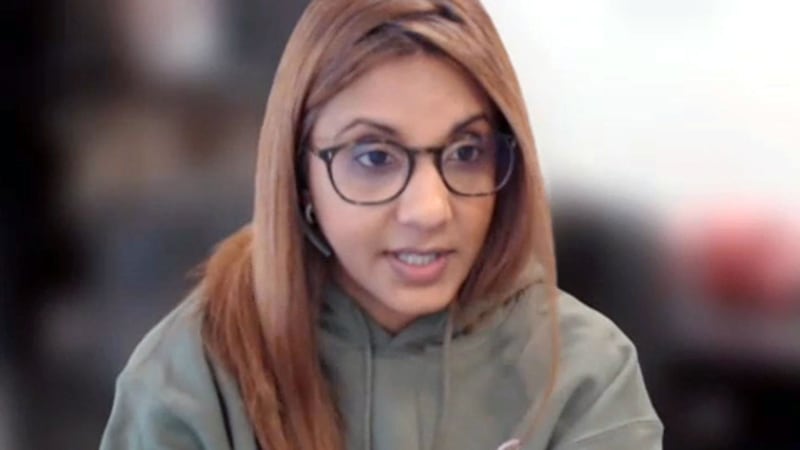
‘I kind of did my own thing’
Fear of reoccurrence, long-term side effects, financial challenges, social adjustments and even just returning to work were all hurdles for Velji-Johnston after treatment.
She found relief in being active, going to yoga and Pilates, saying it helped her find normalcy. She added it can be extremely difficult to even get out of bed, but the activity helped her tremendously.
“There wasn’t really any place that I could go or any recommendations that were given to me, specifically,” she said. ”So I had to kind of learn it on my own, talk to other survivors. I kind of did my own thing and figured it out.”
Velji-Johnston said she wanted Canadians to think about what happens after treatment. She said her work as a patient advocate with Breast Cancer Canada often involves highlighting that the cancer journey does not end with the conclusion of treatment, as survivors continue to face challenges after chemo.
- READ MORE: Young cancer patient shares story as LHSC program celebrates milestone
- READ MORE: Healing in the Public Eye: Elizabeth Peloza discovers how a Look Good Feel Better workshop supports cancer patients
“It’s a new chapter and the hardest one, like one of the hardest parts is yes, the treatment, but as well as after the treatment ends,” she said. She said she wished there were more developed systems for her to adapt to life after treatment.
Life couldn’t wait for her, and she had people depending on her. She was still a mother, there were bills to pay, she still had a life to live and trying to resume it felt like battling fog. She likened what she refers to as “chemo-brain” to symptoms of menopause.
“I mean, I’m in my early 40s and so to me, you still have work too, you’re still a worker, I’m still a working mom,” she said. “Having that fog all the time adds a burden, because you’ve got to remember certain things as a worker, as a mother. It takes some mental toll on you because you feel like this thing is not going away.”
“It’s like a constant battle,” she added.
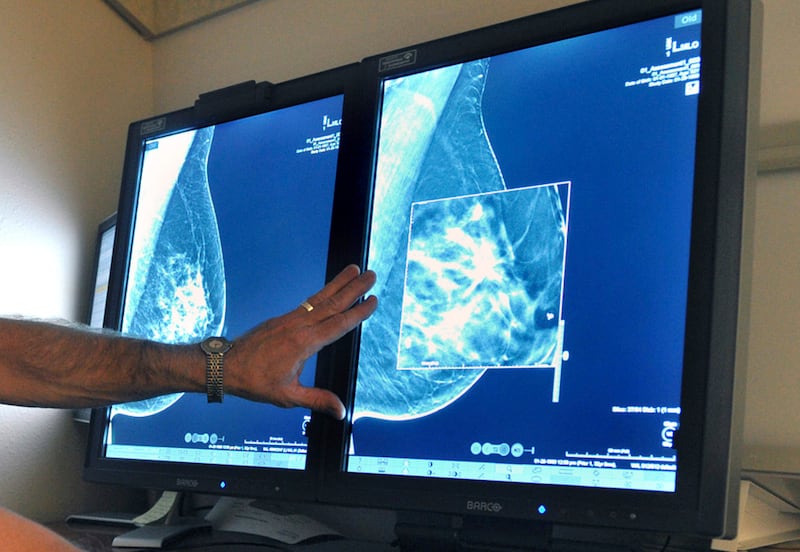
‘I turned coffee into a food group’
Peter Laneas, diagnosed with testicular cancer at 26 and again at 29, works with Cancer Fatigue Services, a Toronto-based clinic helping survivors.
After treatment, Laneas, who spoke with CTV Your Morning last Thursday, said he found himself tired all the time and struggling with a general feeling of melancholy. He defined cancer-related fatigue as persistent tiredness, despite excessive sleep or long periods of rest.
“By the time I was 30, I couldn’t understand why was it that I turned coffee into a food group,” he said. “Why was I needing naps? Why was I feeling just this sense of malaise? I didn’t quite understand what it was.”
He said he figured it out years later when he learned about cancer-related fatigue. He said that there was misconception among the survivor community that excessive tiredness was “part of the package.” He said it had been normalized.
“It’s not normal, it’s just common,” he said.
- READ MORE: ‘I actually started crying’: Oncologist reacts to pancreatic cancer drug results
- READ MORE: 10-year-old CHEO patient inspires others while navigating cancer treatment
It is treatable, and he said that was exciting to hear as a survivor.
There are 10 treatable causes for the fatigue, Laneas said, including anemia, chronic pain, exercise intolerance, hormone imbalances, medication complications among others. He said that patients generally struggle with five of the 10 causes.
“The patients who come through our doors get an opportunity to share in very in-depth detail what they’re experience is, take a look at the different moving parts and then create unique blueprint care packages in order to get through, and ideally get their energy back,” he explained.
The top treatments are prescribed exercise or cognitive behavioural therapy, Laneas said.
“How can we use your body as a way to rebuild your energy resources and then help adapt the way that you think?” he said. Laneas knew his condition was improving when he start decreasing his coffee intake and stopped relying on it everyday.
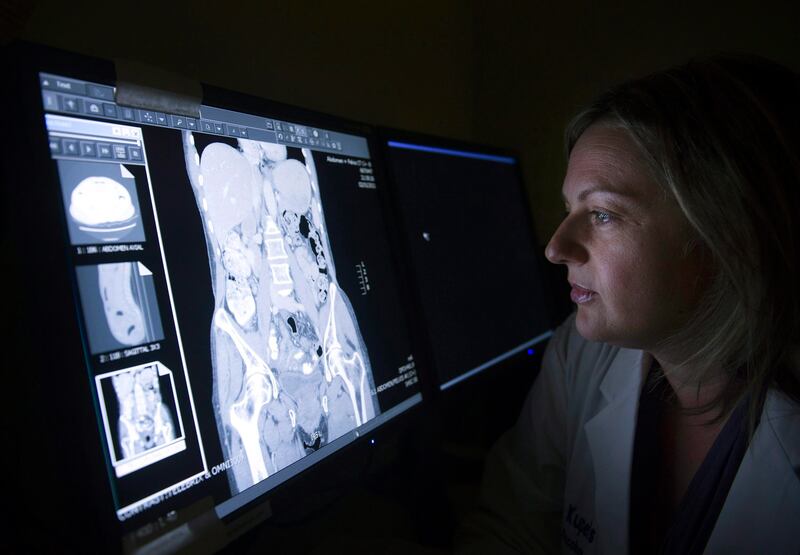
‘Back contributing to society the way they want to’
Kimberly Carson, Breast Cancer Canada’s CEO, spoke to CTV News Channel on Thursday about her organization’s plans to extend patient care after treatment has finished.
She said that as patients are getting diagnosed at younger ages and living longer, a new approach was needed to help them beyond traditional treatment timelines.
“There’s long term impacts. There’s social, emotional, financial, physical,” she said. ”I think there’s so much more that we can do to make sure that we’re not putting more burden on to the system."
Survivors are physically distressed, dealing with the scars and side-effects of treatment, Carson said. Like Velji-Johnston and Laneas, Carson said that resuming regular life comes with emotional, mental, social and other challenges beyond physical.
- READ MORE: New cancer injection eliminated tumours in some patients, trial finds
- READ MORE: A healthier gut may be key to cancer care
“These are all really important things,” she said. “We go from just, you know, surviving it to actually thriving and becoming a survivor and doing that survivorship piece.”
Carson said the next step could be helping survivors return to regular health-care practices with family doctors, while balancing diagnostic screening in case cancer returns. Carson highlighted, like Velji-Johnston, the challenge for breast cancer survivors to return to the workforce, and said there was room for improvement.
“There’s a lot that we can do with not really taxing the system too much but getting that person with that lived experience back in to their lives and back contributing to society the way they want to,” she said.

