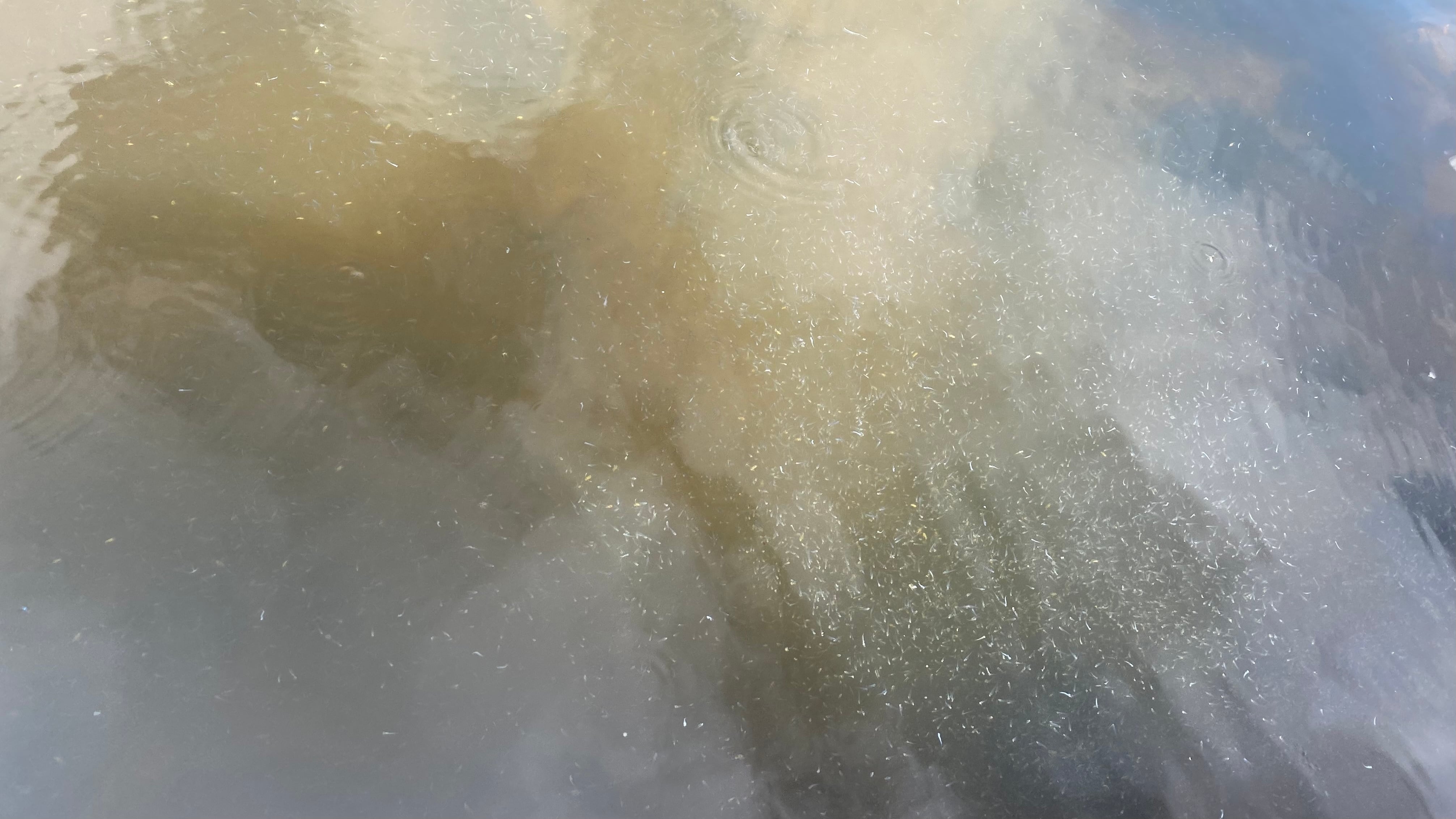
CRAIK, Sask. - Every spring around this time, dozens of Saskatchewan lakes are stocked with millions of baby walleye, known as fry. But only a small percentage survive long enough for anglers to catch them.
Matt Tyree, director of fisheries in Saskatchewan, hopes revenue from a new angling certificate will help change that.
“Walleye is the most popular game fish in Saskatchewan and anglers want as much opportunity as they can, without having to drive long distances from home, to go out and fish for those species,” Tyree said.
The Saskatchewan Ministry of Environment introduced a new habitat certificate this year that anglers are required to purchase along with their provincial fishing license. Revenue from the certificate helps fund operations at the Saskatchewan Fish Hatchery, the aquaculture facility responsible for raising and stocking walleye and trout in lakes across the province.
“We plan to utilize some of the revenue that’s generated through this habitat certificate to actually expand our hatchery facility,” Tyree told CTV News.
The habitat certificate will cost anglers $20 for the entire season and $5 if they purchase a one-day or three-day fishing license.
An expansion would give the hatchery space to allow fish to grow beyond the fry stage, to a larger fingerling size before they are placed in lakes and reservoirs.
“They survive much better when stocked at those larger sizes,” he said.
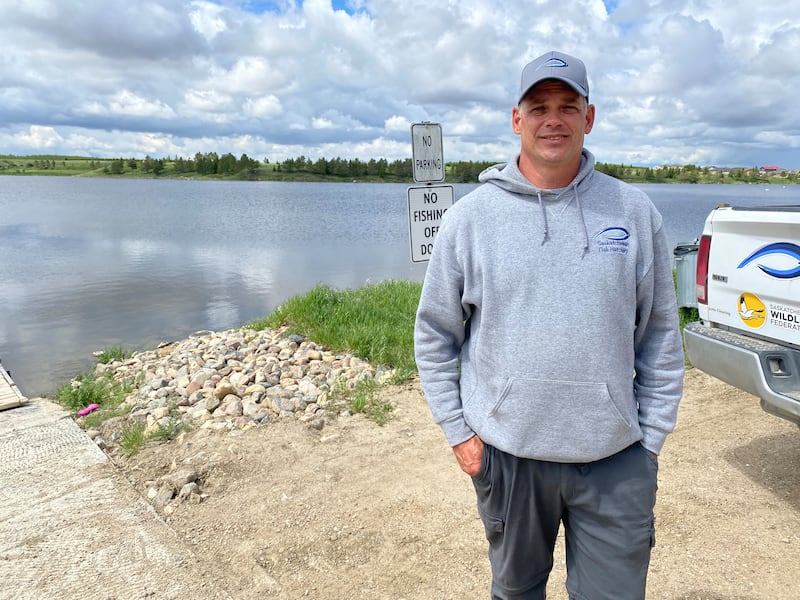
Walleye fry are very small, about a quarter-inch long, according to the fish hatchery’s manager Nelson Bergh. They have less than 10 per cent survival rate, which is why tens of thousands are put into lakes at one time.
Bergh recently stocked 150,000 fry into a reservoir near Craik, Sask.
“You’re exposing them to all sorts of different hazards in the natural environment and it’s a gantlet for them to run to be able to grow and live to an adult size or catchable size,” Bergh told CTV News.
The hatchery also stocks certain lakes with trout fingerlings, about three to four feet long. Bergh said their survival rate is around 75 to 80 per cent, due to their larger size.
“They’re a lot more robust and can handle more adversity,” Bergh said.
Fish in high demand
But not all lakes in the province are stocked. Many bodies of water naturally repopulate fish.
For waters that can’t naturally reproduce walleye, the environment ministry relies on the millions of fish raised at the hatchery to populate public fishing spots, especially man-made lakes and reservoirs.
“There are some water bodies where we do things like supplemental stocking, but predominantly, we’re stocking these water bodies that wouldn’t otherwise have walleye in them if we didn’t stock them,” Tyree said.
“Generally speaking, the year that we stock those walleye, it’ll be about three years after that before anglers are actually going to be actively catching those fish.”
Last year, almost 6.4 million fish were stocked into 96 bodies of water across the province.
Bergh says his team puts on more than 25,000 kilometres between April and July. Their furthest trip is a 15-hour drive one way to stock trout.
“We’re stocking corner to corner of the province,” he said.
“That’s the one nice thing about the job we do, most people aren’t upset with the work we do. It’s all pretty positive.”

