The Canadian Stroke Best Pracitices (CSBPR) is marking 20 years of research and evidence advancing stroke care across the country.
Heart & Stroke and the Canadian Stroke Network initiated the guidelines in 2006.
In a news release, Heart & Stroke CEO Doug Roth says the CSBPR has revolutionized stroke care.
“With stroke on the rise, we need to continue to invest in systems change, research and innovation so that people who experience stroke have the best chance of surviving and having the fullest recovery possible,” says Roth.
Keith O’Neill of Charlottetown is speaking out about his experience to spread awareness about the signs to look out for.
He finished work one day in March 2022, and as he approached his car, he says he could feel his gait was off.
Then, he got into his car and before reversing he noticed his vision was going.
“So, I quickly got my wife’s number and she answered, thank God, and from there I just explained to her, I said, ‘I’m having a stroke, I believe I am, anyhow.’ I said, ‘I need you to call 911, I’m at work in the parking lot, so just have the ambulance come there please,’” he says.
Or at least, that’s what O’Neill thought he told her.
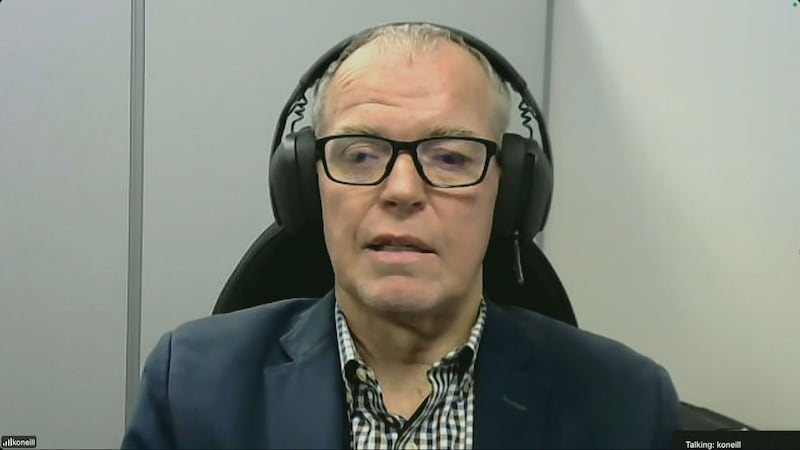
“I think I’m having that conversation with her, but she’s only picking up key pieces of my words because I was slurring my speech,” he says.
He’d worked in and around health care, so he was aware of the signs and, at 53 years old, recognized he was having a stroke.
At the time, O’Neill says he had no pre-existing conditions, no high-blood pressure, diabetes, high cholesterol, and he wasn’t overweight.
While these are risk factors, stroke can happen to anyone, and the risk rises rapidly after age 55, according to Health Canada.
“I think that it’s very important for people to remember FAST, for face, arms, [speech] and time. So, I was aware my vision was going and my gait was off… Time is crucial,” he says.
Health Canada says survival and full recovery are possible if one acts FAST:
- face: is it drooping?
- arms: can you raise both?
- speech: is it jumbled or slurred?
- time: to call 911 right away.
According to the government agency, 39 per cent of Canadians did not know any FAST signs of stroke.
Along with awareness, O’Neill emphasizes the significance of Heart & Stroke research.
“It provides science to advance itself so we can find medicines that will help reduce damage in the case of a stroke,” he says. “It’s crucial.”
He says research investments are needed, “not only for individuals currently, but for the future.”
In terms of advice, he encourages people to make walking a part of their daily ritual, noting he walks five to six kilometres after work.
“Whether you’re a first timer at walking, just walk to your mailbox and back home, and then just try to expand it,” he says. “It may help prevent health conditions like a stroke.”
For more P.E.I. news, visit our dedicated provincial page.

