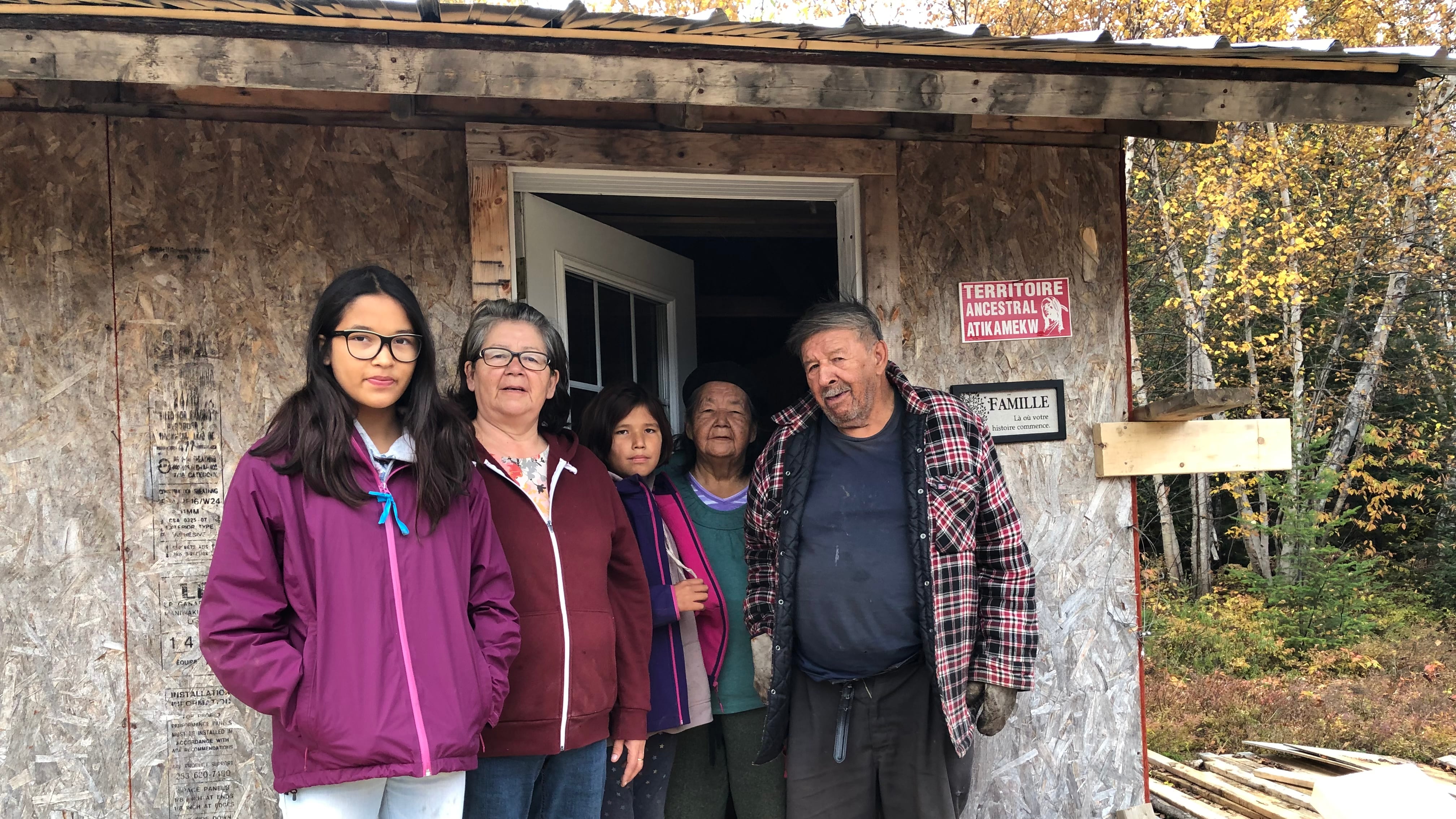
An Indigenous family in Quebec is hoping to find the body of their long-lost baby sister after receiving an exhumation order from the provincial government last month.
Lauréanna Echaquan was two-and-a-half months old when her family was informed of her death from pneumonia at the Saint-Eusèbe Hospital in Joliette in 1973.
“My mother told me when she arrived in Joliette, she went to the funeral home,” Viviane Echaquan-Niquay told CTV News a few days after the exhumation request was approved.
“She says she saw a baby in a styrofoam box. She said, ‘That baby is too big. They look like they’re 10 or 11 months old. Are you sure that’s my baby?’”
That question was left unanswered, as Lauréanna’s body was never released to her family.
Instead, they were told that she would simply be buried in a nearby cornfield without a cross or memorial plaque.
Search for answers
The exhumation of Lauréanna’s presumed resting place is slated to start Monday and last three weeks.
Four sites have been identified, including a soccer field near the Joliette cemetery, where a cornfield once stood.
This is the fifth exhumation authorized by the Quebec Superior Court as part of Bill 79, An Act to authorize the communication of personal information to the families of Indigenous children who went missing or died after being admitted to an institution.
The bill was introduced in the National Assembly in 2021 by Ian Lafrenière, Quebec Minister of Domestic Security and First Nations Relations, and is supported by Awacak, an Indigenous organization dedicated to finding missing Indigenous children across the province.
‘Ghost babies’
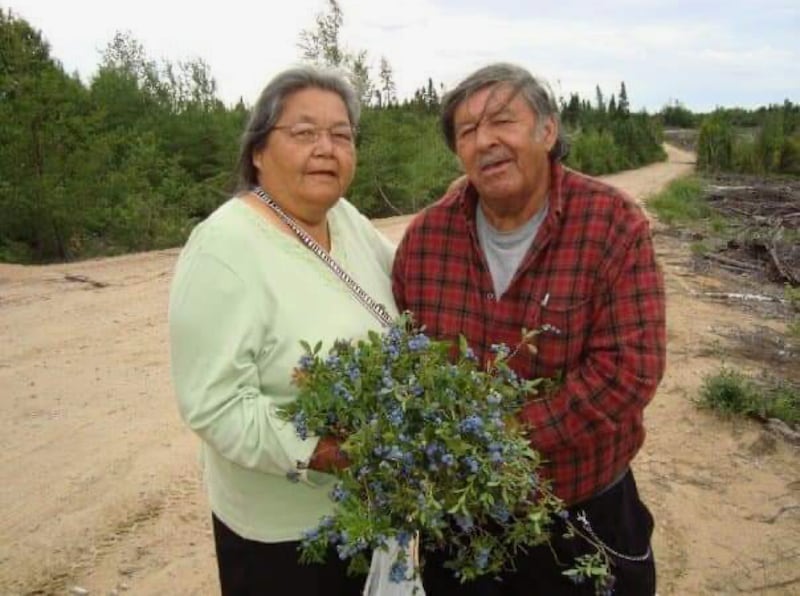
The Echaquans are one of 130 families taking part in investigations to find the bodies of more than 220 children.
The family says they believe that Lauréanna was one of Quebec’s many “ghost babies,” Indigenous children who went missing or died after being admitted to hospital to receive medical care, mostly between the 1940s and 1980s.
In many cases, parents were later informed that their child had died, but were never given death certificates, access to their bodies or told the exact location of where they would be buried.
Rumours have pervaded that some babies may have been swapped and later offered up for adoption or sent to residential schools.

