OTTAWA — A WestJet spokesperson says the company “strongly opposes” the federal government’s offer to dole out loans to airlines, amid the still-ongoing conflict in the Middle East and resulting closure of the Strait of Hormuz causing a spike in fuel prices.
“The government faces a choice: continue with costly and market distorting subsidies or build a sustainable future for Canadian aviation,” the spokesperson wrote in an email to CTV News on Monday.
“We’ve seen where this path leads,” they added. “In 2025 alone, taxpayers lost around C$400 million in COVID-19-related airline loans that were forgiven by the federal government. With this, they have been turned into direct taxpayer subsidies to some airlines.”
The statement also says the federal funds could be “used for other more meaningful purposes,” as it’s unlikely the airlines will ever be able to repay the loans.
On Monday, Finance Minister François-Philippe Champagne announced the federal government is offering airlines a boost ahead of the busy summer travel season, launching a loan program for those struggling with the high price of fuel.
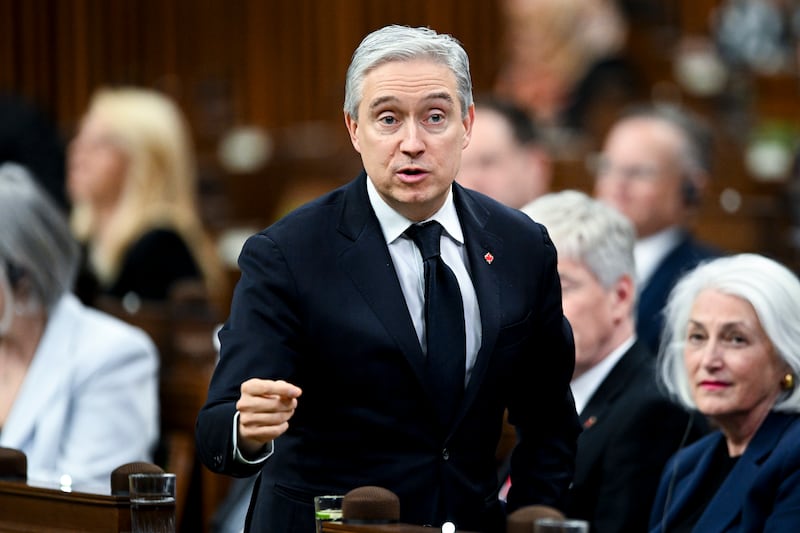
In a statement, the finance department says it’s offering up to C$150 million in repayable loans to provide stability and ensure continued, reliable flight access to Canadians.
Airlines that opt in will have to agree to restrict executive pay and maintain Canadian operations, though the exact details of the deals are up for negotiation.
“We ask the government to abandon the cycle of corporate charity and focus on long-term stability by fixing the overdue foundational cost issues that hold our entire industry back,” the WestJet spokesperson said in their statement.
Also in a statement to CTV News, Champagne press secretary John Fragos said the loan program was designed following consultations with every airline, and is meant to provide “immediate and specific liquidity support” in the face of “unprecedented global fuel shock.”
“While the support in question is allotted on a needs-basis and is unique to individual airline’s own circumstances, the support goes directly towards stabilizing capital needs among Canadian airlines and ensuring continued access to affordable and diverse flight routes,” Fragos wrote.
In late April, U.S. Gulf Coast jet fuel hit US$4.34 a gallon. While it’s since fallen to around US$3.57 a gallon, it’s still well above the pre-war cost of about US$2 a gallon.
The federal government also issued loans worth hundreds of millions of dollars through the Large Employer Emergency Financing Facility to airlines to help them weather the COVID-19 pandemic, including to Air Canada, Air Transat, Sunwing Vacations, and Porter.
Speaking to reporters on Parliament Hill Monday, Conservative Deputy Leader Melissa Lantsman said the loans would be “treating a symptom, and not treating the disease.”
“The consumer is never the one that gets the benefit from any of these government bailouts,” Lantsman also said. “They are not fixing the crux of the problem.”
In their own statements to CTV News on Monday, Flair, Porter, and Air Transat all said they “welcome” the government’s offer of issuing loans to airlines, with the latter two adding they’re reviewing the program.
In a bid to help reduce the cost of fuel, the federal government has also paused collecting the excise tax.
With files from CTV News’ Stephanie Ha and Rachel Hanes

