After a cool, wet start to spring, it appears the summer forecast is bucking the trend.
In its seasonal outlook, Environment and Climate Change Canada is predicting overall warmer-than-normal temperatures across most of the country throughout June, July and August.
“That doesn’t mean that every day is going to be smoking hot,” said Environment Canada meteorologist Terri Lang.
Drier-than-normal conditions are also likely in many areas across the Prairies. However, precipitation is more difficult to predict, according to Lang.
In particular, northern Manitoba really stands out. That combination of heat and dry might be an issue for them throughout the summer.” Lang told CTV News.
Saskatchewan was colder and wetter than average this spring, Lang said. For many seasonal businesses, it wasn’t the ideal start.
Giggles Ice Cream Shop in Saskatoon does its best to weather any storm. But the shop, which only has outdoor seating, had to close earlier in the week due to rain.
“We definitely get a lot more people when it’s nicer outside, especially in the evening when it’s not so gloomy out and raining,” employee Anna Davis said.
“We’re definitely waiting for it to warm up.”
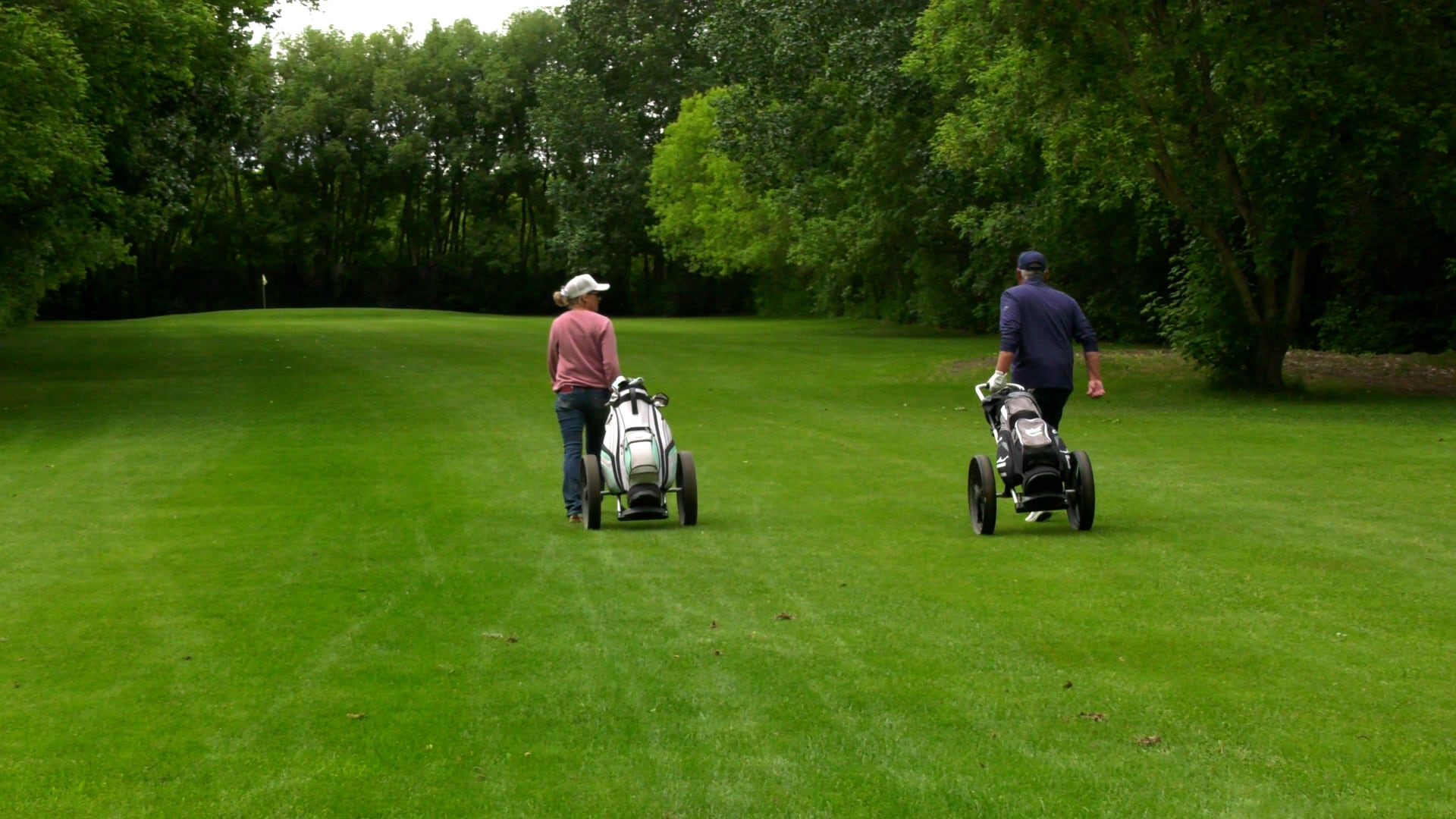
Those in the golfing business are also itching for warmer days.
The Valley Road Par 3, just outside Saskatoon, opened at least 10 days later than usual due to the cold spring.
Even after the course opened, snow and rain have kept golfers off the fairways at times.
“It seems that the golfers like the sun to shine and when the sun shines, the golfers come,” course co-owner Dawn McKenzie said.
But it’s hard to find a sweet spot, according to McKenzie. Last year, they had heat along with wildfire smoke – a combination that also kept golfers at home.
“You just have to roll with the punches. That’s how it goes,” she said.
“Personally, I like about 23, 24 or 25 degrees… But there’s not really too much we can do about the weather.”
Several areas including Saskatchewan, received higher-than-normal amounts of precipitation this spring, which helped delay the wildfire season. However, the fire risk is expected to increase as summer progresses, according to the Environment Canada outlook.

