WINDSOR, Ont. — Frustration is growing in Windsor after the planned opening of the Gordie Howe International Bridge Friday was cancelled, leaving the community caught in the middle of a political battle over the long-awaited border crossing.
For drivers and truckers crossing the Detroit River, there is a reality in Windsor that is hard to ignore.
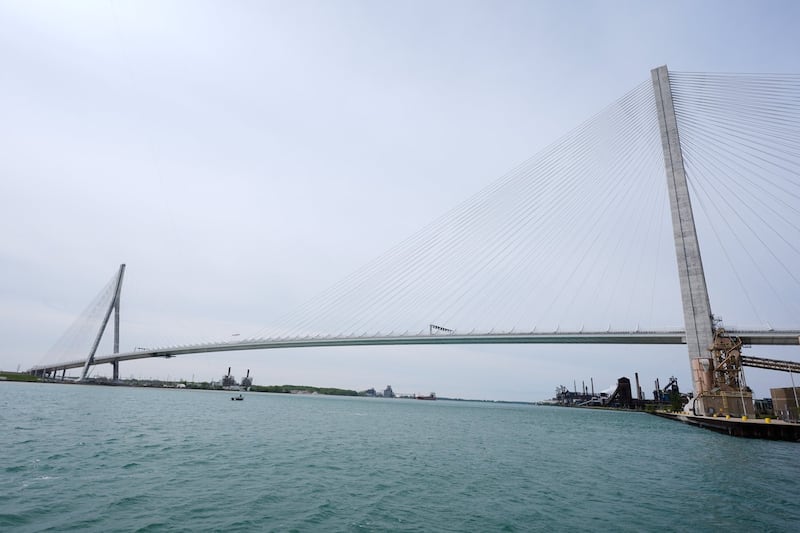
Friday, roaring traffic was rolling off the busy but aging Ambassador bridge, while just down the Detroit River, the $6.4-billion Gordie Howe sits ready but unused. Brand new border crossing facilities are empty.
“I was really looking forward to not having to fight truck traffic every time I come down here,” one Windsor resident told CTV News.
A ribbon cutting ceremony scheduled for the Gordie Howe International Bridge Friday, was cancelled at the 11th hour.
“Canada and the United States have agreed to delay the opening of the bridge, taking the necessary time to resolve any outstanding issues,” read a statement issued by the Windsor-Detroit Bridge Authority Thursday morning.
‘Caught in the middle’: Drivers discouraged by delay
CTV News took the pulse of people crossing the Ambassador, who said the delay is creating frustration on both sides of the border.
“I think we’re caught in the middle,” one frequent traveller said. “I travel here all the time between the two countries, and the truckers are even frustrated.”
One trucker described ongoing congestion and constant delays at the current crossing.
“Minimum one hour waiting, it was very busy. Still, it’s very busy these days,” they said.
Many people in Windsor pointed to political tensions as the reason for the delay.
“Trump gets in the way of everything,” one trucker said, while another said the issue could be resolved if leaders focused on the public interest.
“Honestly, if people just put their egos aside and do what’s right for the people, we’d be a lot easier,” the trucker said.
‘A bunch of political BS’: Steel supplier can’t believe delay
The frustration is also being felt hundreds of kilometres away in Concord, Ont., where Salit Steel supplied rebar for the bridge project from facilities in both Canada and the U.S.
CEO Steven Cohen said he believes the project could have opened months ago.
“From what I understand, the project could have been open at least 100 days ago and it’s all a bunch of political BS,” Cohen said.
He said the bridge, which he believed could represent a stronger connection between Canada and the U.S., has instead become a symbol of ongoing disagreement.
“You’ve got to shake your head and really try to understand why they’re not opening it, and it’s certainly not based on logic,” he said.
Prime Minister Mark Carney said Friday the delayed opening came at the request of the Trump administration, but he did not publicly outline what specific issues remain unresolved.
Tariffs and the trade war
Cohen says for generations now his family has lived in border towns, crossing regularly between countries for work and pleasure – he’s discouraged by the current state of Canada-U.S. relations.
“The administration in the United Sates, at the moment, is basing this purely on emotion and irrational thought. and it is hurting both countries,” said Cohen.
His steel company, which operated both in Canada and the U.S., has felt the impacts of the trade war.
“It’s like playing football, and at the end of every series they change the rules,” said Cohen, who adds doing business in the steel sector right now is very challenging.
“The rules change literally week by week; it’s made it incredibly difficult incredibly frustrating.”
The steel and aluminium industry in Canada currently faces 50 per cent tariffs from the U.S. administration – commonly referred to as “sectoral tariffs” or “section 232” duties.

