As concerns grow about the impact of rising temperatures on international soccer tournaments, medical experts say player safety could face significant challenges at the FIFA World Cup.
Orthopaedic sports medicine surgeon with Massachusetts-based Mass General Brigham Dr. Miho Tanaka tells CTV News Channel that heat-related illnesses remain a serious concern, particularly at elite tournaments.
Extreme heat can create medical emergencies
Tanaka said hot weather affects more than just athletic performance.
“Not only is it going to affect the performance side, where players can get dehydrated, have trouble with things like muscle cramps, and other types of issues related to performance, but it can actually lead to very serious medical emergencies,” she said.
“We worry about things like heat stroke, which is probably the worst-case scenario, and this can be a life-threatening problem.”
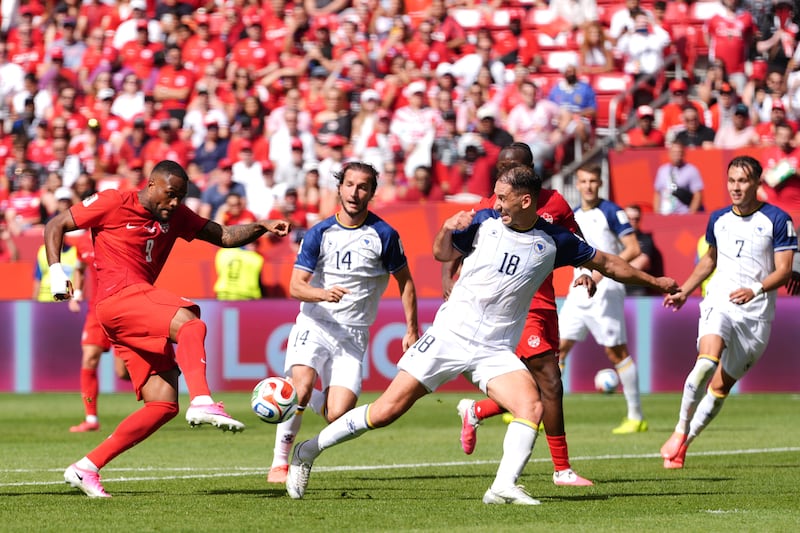
To reduce risks, leagues and tournament organizers commonly implement measures aimed at keeping athletes safe.
“So, it would be very common for the leagues to have some sort of hydration brakes or cooling brakes, and they’ll be monitoring the temperature very closely in order to allow these players to have time to cool off,” Tanaka said.
Heavy schedules contribute to injury risk
Beyond environmental conditions, Tanaka said the demands of elite soccer can increase the likelihood of injuries.
While players at all levels perform similar movements, the volume of matches and length of the season create additional strain for professionals.
“When you get to the elite level specifically, because of the specific loads and the sheer volume of the number of games and the duration of the season, we’re gonna see a lot of muscle strains,” she said, adding that overuse injuries are also common.
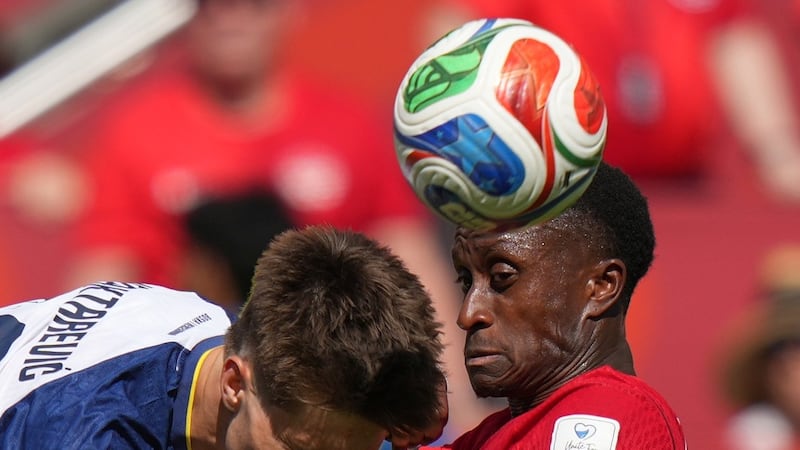
Long-term health remains the priority
Professional athletes often face pressure to return to competition quickly after an injury, but Tanaka said medical teams must prioritize player welfare.
“Ultimately, the long-term health of the player is really the most important consideration,” she said.
At the same time, she acknowledged that teams look for opportunities to safely accelerate recovery when possible.
“When there are opportunities to get them back sooner and safely, we will always do that,” Tanaka said. “But, it really does require the very specific level of precision in order to be able to make those decisions.”

