A new unit will provide a much-needed service to Indigenous people who have experienced police violence, misconduct or neglect, according to the First Nations Justice Council of B.C.
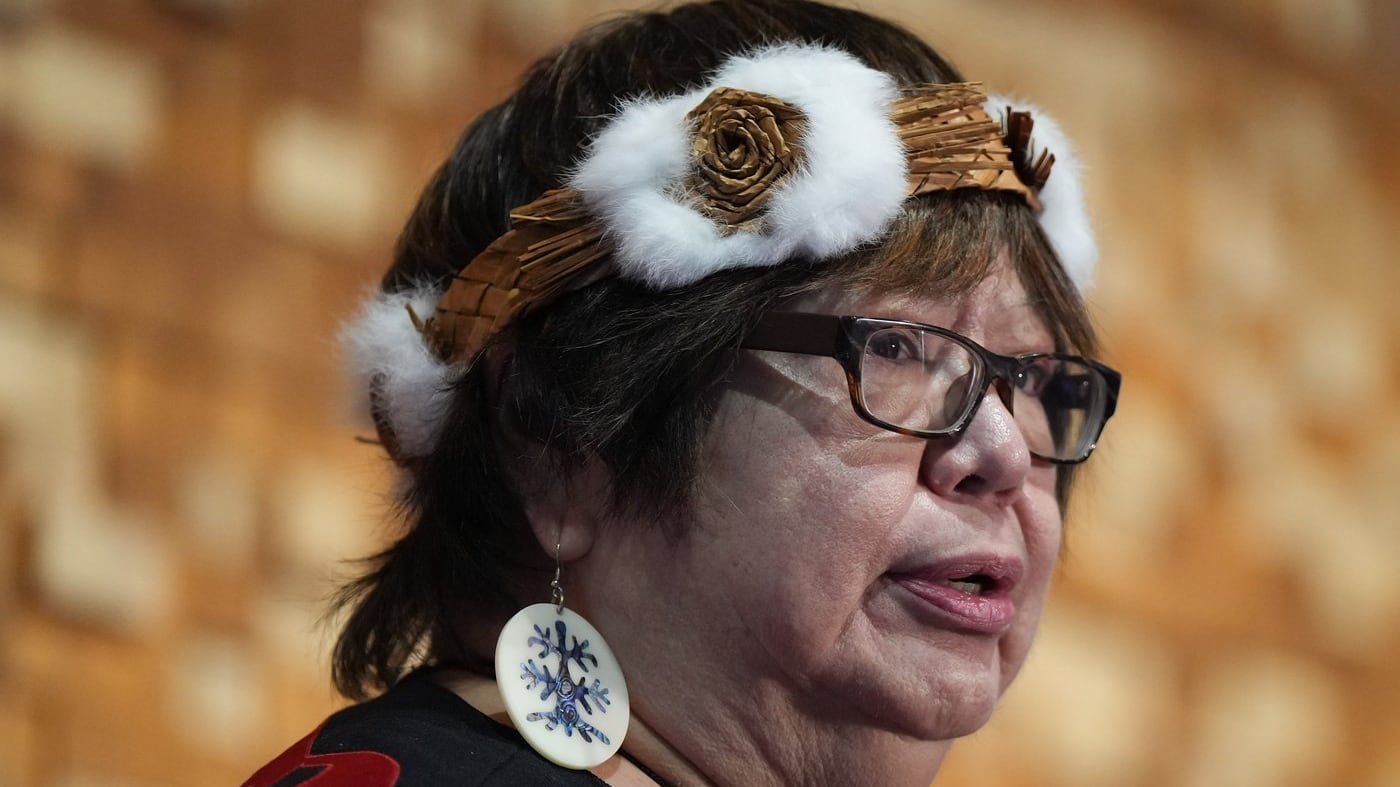
Dr. Judith Sayers, council board member and president of Nuu-chah-nulth Tribal Council, said the aim is to help Indigenous people navigate the processes of reporting to police oversight bodies, filing discrimination complaints with the Human Rights Tribunal, and pursuing civil action—depending on which pathway is most appropriate in the circumstances.
“There was a real need for this,” Sayers said of the Police Accountability Unit, which began as a pilot project in 2024 but officially launched last week.
“People don’t know how to pursue complaints against the police, or they just don’t want to, they’re afraid to.”
One of the grim statistics underscoring the need for the unit is the disproportionate number of Indigenous people killed and seriously harmed by police in the province, Sayers said.
‘Pattern of violence’
The Independent Investigations Office of B.C. is responsible for examining police-involved incidents that result in death or serious harm, said in its most recent annual report that “one area that continues to be cause for concern is the over-representation of Indigenous peoples as affected persons.”
While Indigenous people make up approximately six per cent of B.C.’s population, roughly 20 per cent of files investigated by the IIO in the 2024-2025 fiscal year involved Indigenous people. When it came to police-involved shootings, 29 per cent of the affected persons were Indigenous, the IIO’s annual report also said.
“When one of our community members or our children experiences police violence, we all feel it, and that doesn’t go away. The statistics are there and the pattern of violence and death has been documented time and again,” Sayers said in a statement announcing the unit’s official launch.
The unit not only helps Indigenous people and their families pursue accountability for police violence, it also assists with complaints about professional misconduct.
B.C.’s Office of the Police Complaint Commissioner is responsible for oversight of municipal officers and departments. Its most-recent annual report said there had been a 39 per cent increase in the number of self-identified Indigenous people making complaints.
The overall percentage of Indigenous complainants is, however, unknown because 39 per cent people who made a complaint chose not to provide data on their race. The rate of self-identified Indigenous complainants over the past five years was 10 per cent, according to the report.
Filling critical gaps
In addition to bringing complaints forward that may otherwise not have been, Sayers said the unit also has a role to play in filling in critical gaps in data.
“These stats become really important, nobody’s ever collected them before,” Sayers said.
For example, the RCMP does not collect or publish race-based data when it reports annually on officer misconduct complaints. But Sayers noted that of the unit’s 83 active files, 58 involved the RCMP.
The cases handled by the unit also shed light on the range of police violence and misconduct affecting Indigenous people. While more than half of the active files involve use of force, unlawful arrest and detention account for 21 per cent, and illegal search and seizure make up another 21 per cent. Ten percent of complaints relate to wellness checks.
While helping people pursue accountability for police violence or misconduct in individual cases is part of the unit’s mandate, Sayers pointed out that it also aims to prevent further harm and foster systemic change.
“What we wanted to do is to fill a hole, a big hole, so that police will become more accountable,” she said.

