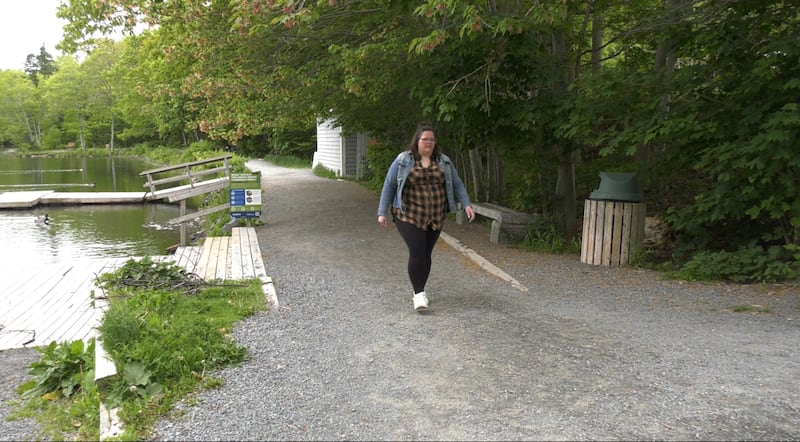
Hailey Bodgan moved to Nova Scotia from Ontario in 2022 with her husband and two children.
They were lured to the east coast by the expectation of a cheaper cost of living, but the last four years have been a major disappointment on that front.
“It has been a difficult struggle,” said Bodgan, who works as a dispatcher while her husband is employed in the concrete and construction industry. “My husband and I both make great money now, but we seem to barely make ends meet.”
Expensive groceries, gas and rising home heating costs are just a few of the items that have put Bodgan’s family in a precarious financial situation.
“I had no debt and a great credit score before I moved here, and now that I have moved here, I am in debt,” said Bodgan, who added that at one point she was forced to buy groceries with her credit card.
“I had to stop it because I was maxed-out and I couldn’t keep up with the payments.”
When Bodgan’s family first moved to Nova Scotia, their rent was $1,200 a month, and now they are paying more than twice that amount.
A recent study from Rentals.ca and Urbanation showed Nova Scotia has become the most expensive province in Canada for apartment and condo rentals.
New information from Statistics Canada also suggests that the amount of money Canadian households owe has outpaced incomes for the sixth straight quarter. In Canada, there is currently approximately $1.80 in debt for every dollar of household disposable income.
According to Dalhousie University management professor Dan Shaw, affordability issues in Nova Scotia are linked to the average income in the province, which trails much of the rest of the country.
“We are down more than $10,000 at the individual level after tax, and we are about $25,000 down versus the average family across the country,” said Shaw.
Retail analyst Bruce Winder said one way to help families like the Bodgans is for government to invest in numerous Canadian industries, which could lead to an increase in wages.
“Companies have to increase productivity, which will allow them to have higher margins, which will allow them to pay more,” said Winder.
Until then, Bodgan hopes for a better and more affordable quality of life that doesn’t include a crushing amount of debt.

