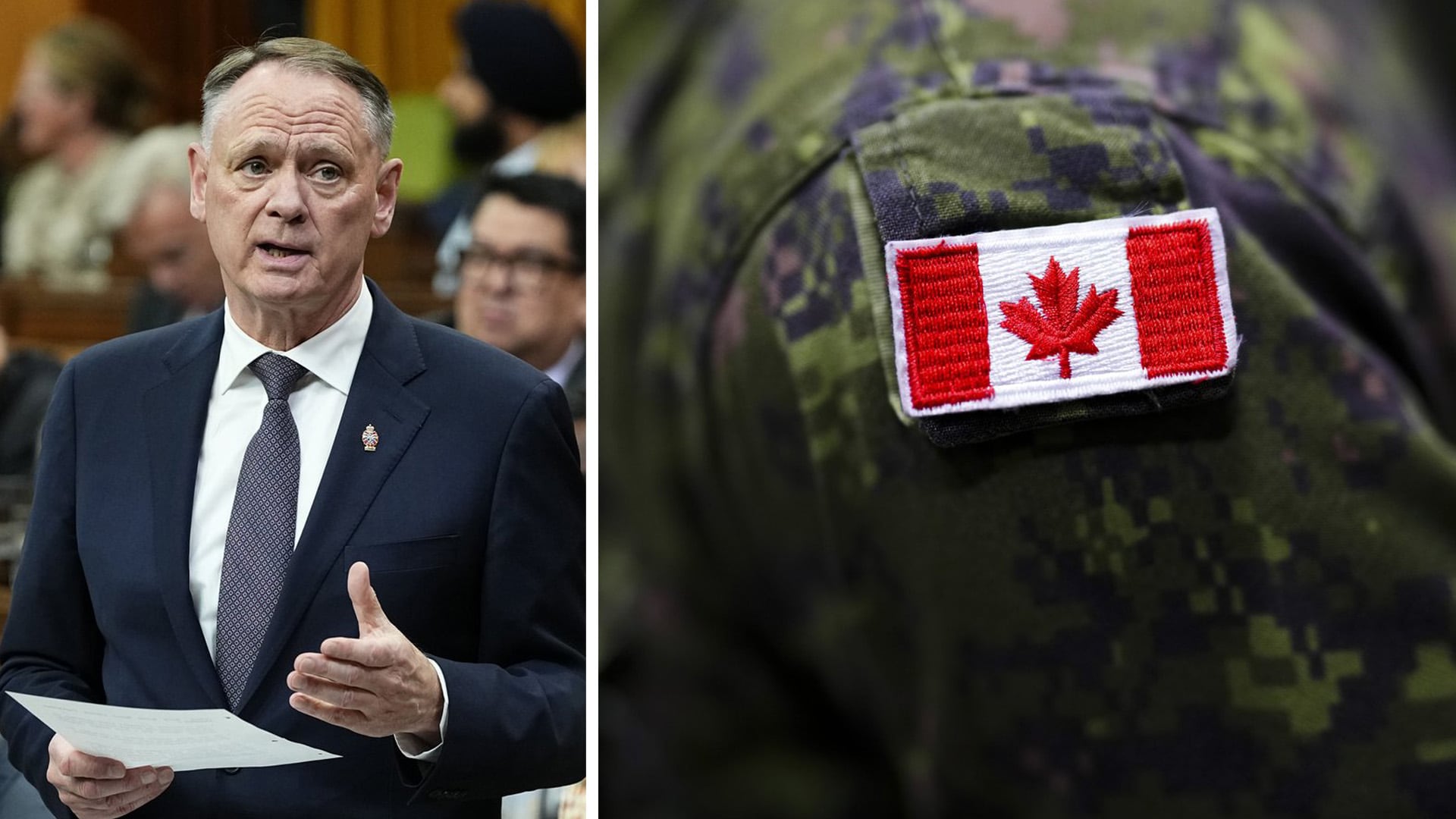
OTTAWA — Military police will no longer accept Criminal Code sexual offence complaints as of Monday, in anticipation of passage of the Liberal government’s military justice system reform bill.
Bill C-11 will strip the military of its jurisdiction to investigate and prosecute sexual offences involving Canadian Armed Forces members committed within the country, and hand those cases over to the civilian justice system.
“It is already underway. As they say, the horses are out of the barn,” said Sen. Rebecca Patterson, a Canadian Armed Forces veteran who sponsored the bill.
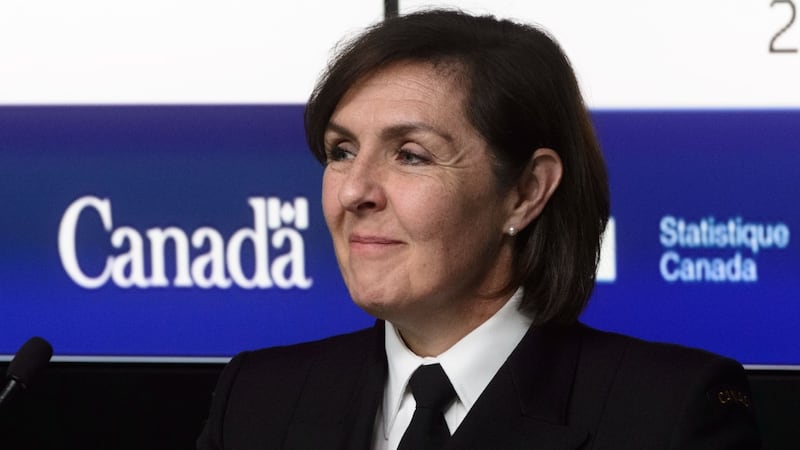
Patterson championed an amendment in the Senate to add a clause to force an independent review of key parts of the law after three years.
The amendment, which passed, also means the defence minister would then have a year to publish a report that includes case data and service evaluations, and render an opinion on whether to repeal the law if it’s not working as intended.
Patterson said Parliament must hold the government accountable to ensure “this particular change in the military justice system, above all else, is not causing more harm and continues to maintain good order and discipline.”
If the House approves the amendment, the bill will be ready for royal assent into law in short order.
Bill C-11 legislation
The legislation is based on past recommendations from former Supreme Court justices Louise Arbour -- who is now the Governor General -- and Morris Fish.
Arbour concluded in a 2022 report that Canadian Armed Forces members do not trust their own military justice system to handle these cases.
But some survivors of military sexual misconduct have told Parliament they want victims to be able to choose which justice system will take on their cases, and feel the government did not listen to their pleas.
Opposition MPs modified the legislation to allow complainants a choice of systems.
But the Liberals removed those amendments after gaining a majority in the House of Commons.
When asked why the government rejected those changes, Defence Minister David McGuinty told a June 11 news conference the reforms are based on Arbour’s conclusions and will “build trust” within the military.
“This is a big part of the cultural challenges we’ve been seeking to address as a government,” he said. “We believe it’s the right next step.”
Arbour issued an interim recommendation in 2021 to transfer military sexual offence allegations to civilian police forces.
Military prosecutors also have been directed not to exercise jurisdiction over new allegations of sexual offences.
According to the provost marshal’s office, military police dealt with 879 cases related to sexual offences under the Criminal Code from 2020 to 2026.
In 227 of those cases, the victim preferred to keep their file with military police, while 284 files were referred to civilian police.
Other cases were not referred for a variety of reasons, such as the alleged offence taking place outside of Canada.
Is the civilian system a cure-all?
Advocates for giving complainants a choice of systems say the civilian criminal justice system is overburdened already. They say less severe instances of harassment would not be reported to civilian authorities, while they might be reported within the military.
Arbour said in her report that such a choice is “totally unrealistic” and “merely puts an unrealistic burden on the victim.”
Arguments on that question were laid out for senators studying the bill earlier this month.
Several survivors who experienced sexual misconduct in the military warned a Senate committee on June 9 the bill could create a system where victims feel processed rather than empowered.
“Survivors have spent years telling decision makers that choice matters, yet Bill C-11 risks taking it away,” said Heather Vanderveer, co-founder of the organization Alberta Recoil, which provides peer support for survivors of military sexual trauma.
“Legal reform without trauma-informed reform will not deliver justice,” said Donna Van Leusden, co-founder of the Survivor Perspectives Consulting Group and a survivor of sexual assault.
“Process reform without survivor agency will not deliver trust, and jurisdictional reform without culture reform will not deliver outcomes.”
The Barreau du Quebec, which represents some 31,000 lawyers, said sexual assault victims should be allowed a choice of systems and argued the civilian system is not a cure-all.
It told the Senate committee in writing the military world has rules and values civilian authorities may not understand, which could colour how a case unfolds.
It said service members also travel frequently and often live in remote areas that don’t have the same resources available in large cities.
“Military members are able to recognize the pros and cons of each system,” its submission said.
But military law expert and retired colonel Michel Drapeau cautioned the Senate committee that the military justice system is designed to contend with breaches of discipline.
He said in his written submission military police and lawyers “simply lack the expertise, savoir-faire and experience to conduct such sexual assault prosecutions.”
Drapeau said it’s “unfair to place such pressure on the sexual assault victims to choose,” noting they may feel pressure from their superiors in the chain of command.
He also noted they are subject to court martial trials where the spectators in the room are all comrades and superiors, which can “rob victims of respect and dignity in court.”
This report by The Canadian Press was first published June 15, 2026.
Canadian Press Staff, The Canadian Press
If you or someone you know is struggling with sexual assault or trauma, the following resources are available to support people in crisis:
- Call 911 if you are in immediate danger or fear for your safety.
- The Canadian Association of Sexual Assault Centres' website has a comprehensive list of sexual assault centres in Canada that offer information, advocacy and counselling.
- The Ending Violence Association of Canada‘s website has links to helplines, support services and locations across Canada that offer sexual assault kits.
- Indian Residential School Survivors Society crisis lines: +1 866 925 4419 or +1 800 721 0066 (24/7)
- Toronto Rape Crisis Centre crisis line: +1 416 597 8808 (24/7)
- Canadian Human Trafficking Hotline: +1 833 900 1010 (24/7)
- Trans Lifeline: +1 877 330 6366
- Suicide Crisis Helpline: call or text 988 (24/7)
- Sexual Misconduct Support and Resource Centre for current and former Canadian Armed Forces members: +1 844 750 1648
- Read about your rights as a victim on the Canadian Resource Centre for Victims of Crime website.

