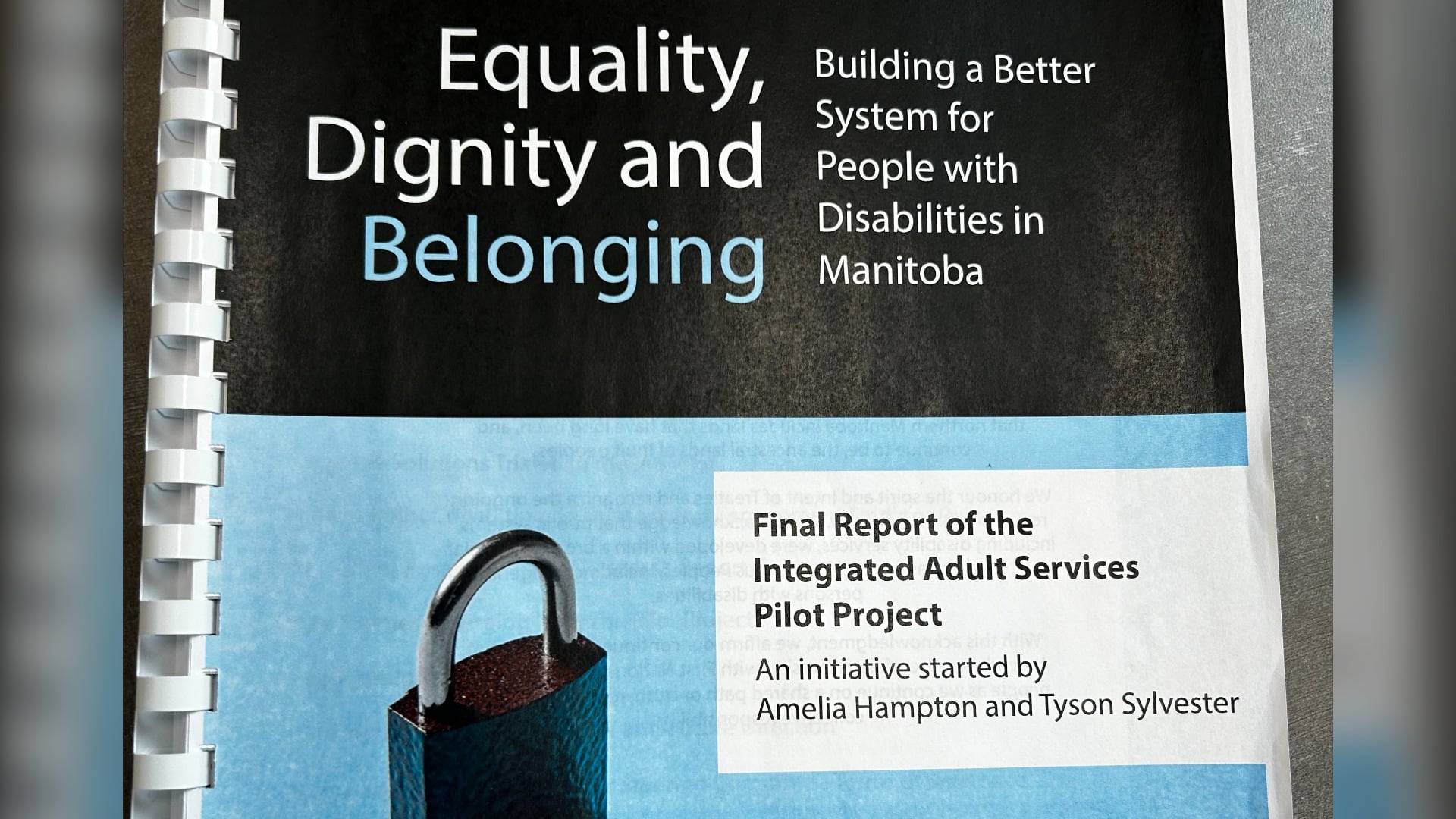
A new report calling for a complete overhaul of Manitoba’s adult disability services marks a “historic” day for residents living with disabilities, says an advocate who helped spark the review.
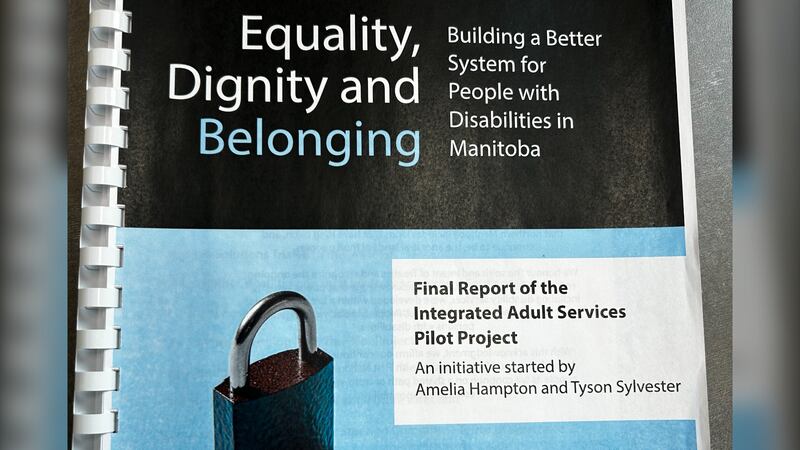
The report, titled “Equity, Dignity, and Belonging: Building a Better System for People with Disabilities in Manitoba,” highlights significant concerns about the state of services for Manitobans living with disabilities.
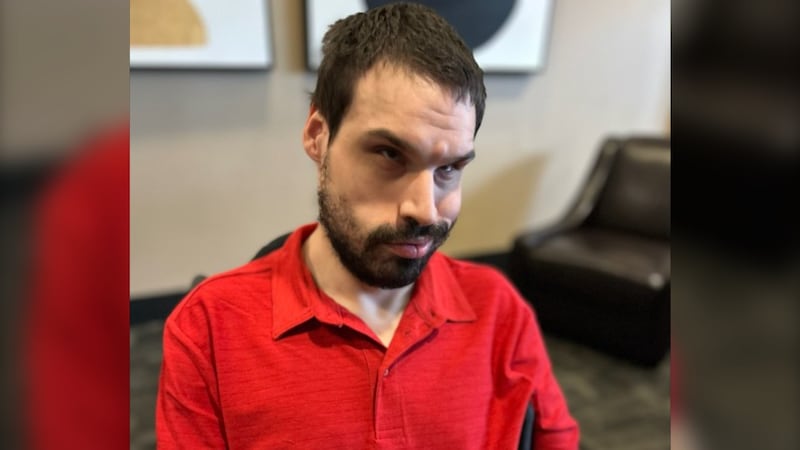
“It’s a whirlwind of emotions,” said Tyson Sylvester, who is blind and lives with cerebral palsy.
In 2016, Sylvester was one of two Manitobans who filed human rights complaints against the provincial government and the Winnipeg Regional Health Authority (WRHA).
The complaints alleged discrimination based on disability and age.
In Manitoba, young people with disabilities have access to a number of supports while in school, but those supports disappear when they graduate from high school.
They lose access to equipment, one-on-one support, occupational therapy and transportation, among other much-needed services.
A 2021 settlement led to a provincial pilot project to identify these service gaps.
The pilot project involved 33 participants and ran from April 2023 to September 2025, with the goal of fuelling long-term systemic change.
The report highlights widespread systemic issues, including inadequate income support, restrictive eligibility criteria, a lack of services for First Nations people and those living in rural and northern communities.
The committee that led the project included individuals with lived experience, family members and community volunteers.
David Kron, chair of the committee, said the findings confirm what many people with disabilities have long known: the current system is fundamentally broken.
“It’s siloed; it’s uneven; it’s unfair; confusing and it just doesn’t work,” said Kron, who is also living with cerebral palsy.
Kron said meaningful change will require more than minor adjustments.
“It needs to be a transparent and people-focused system, and we’re not talking about the edges here, we’re not talking about navigational help: we’re talking better resources and better systems,” he said.
The report comes with a list of 13 recommendations, which advocates believe will better the system. Some key recommendations include:
- Establish a new disability support system in Manitoba
- Income and funding reform
- Housing and community living
- Affordable transportation and better equipment
- Equal access to services for those living in rural and northern communities
“I hope they are implemented, because it’s going to make a lot of change for a lot of people,” said Sylvester.
A long road
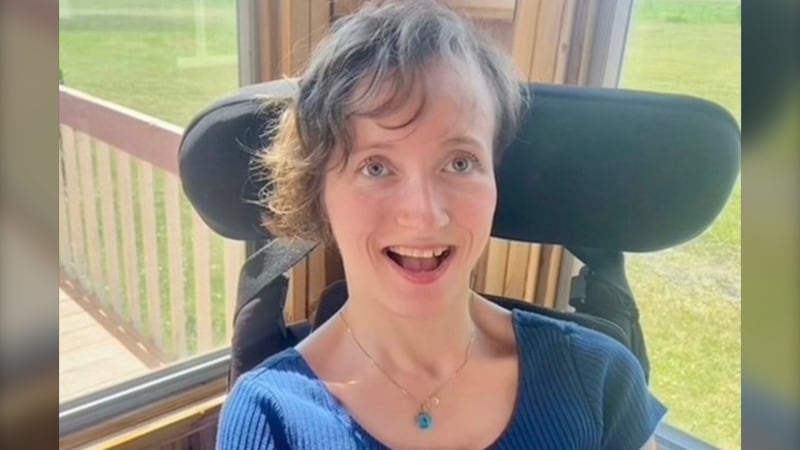
The second human rights complainant was Amelia Hampton, who lived with cerebral palsy and was non-verbal. Hampton died in the summer of 2024 at the age of 32.
Her parents, Charlene and Keith Hampton, say the report’s release is bittersweet.
“We’re so proud of her,” she said. “We miss her.”
While advocates are celebrating the report’s release, Hampton said the process has often been frustrating.
She says the provincial government played a limited role throughout much of the pilot project.
“We have had one, maybe two people that have been with us throughout the whole thing, but they didn’t have any authority to make any decisions,” she said. “Anything that we proposed took months to get an answer.
“It was crickets. We feel disrespected.”
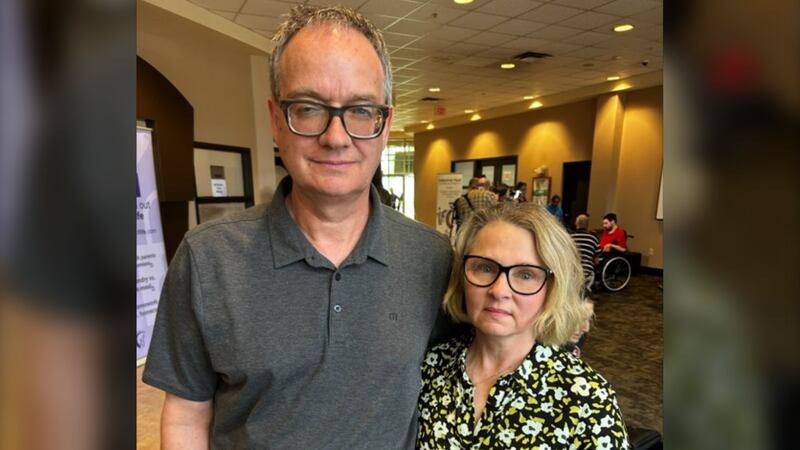
Advocates involved in the project say the province has committed to making efforts to implement the recommendations. They are giving the government six months to present a concrete action plan, outlining how those changes will be achieved.
If the province fails to meet that deadline, Sylvester and Hampton’s family could ask for their human rights complaints to proceed to a formal hearing.
In a statement to CTV News, Families Minister Nahanni Fontaine said her mandate is clear, which will allow Manitobans with disabilities to have “a voice in the design of disability support programs.”
“Since taking office, our government has made it easier for Manitobans to access Community Living disABILITY Services and worked directly with members of the disability community to improve programs and policies,” she said in a statement, adding that more than $18.6 million in increased funding to the services program was included in the 2026 budget.
Need for action
A 2022 Canadian Survey on Disability (CSD) found that 27 per cent of Canadians aged 15 and older lived with at least one disability, which was an increase of 4.7 per cent from 2017.
In that same year, 29.2 per cent of Manitobans lived with at least one disability.
Sylvester says it’s important to change the current system in Manitoba, to make life better for those living with disabilities.
“We all deserve equal access to everything,” he said.
“Disability does not discriminate; disability can happen to anyone at any moment. We all deserve the same dignity and to live a full life, no matter what the disability is.”

