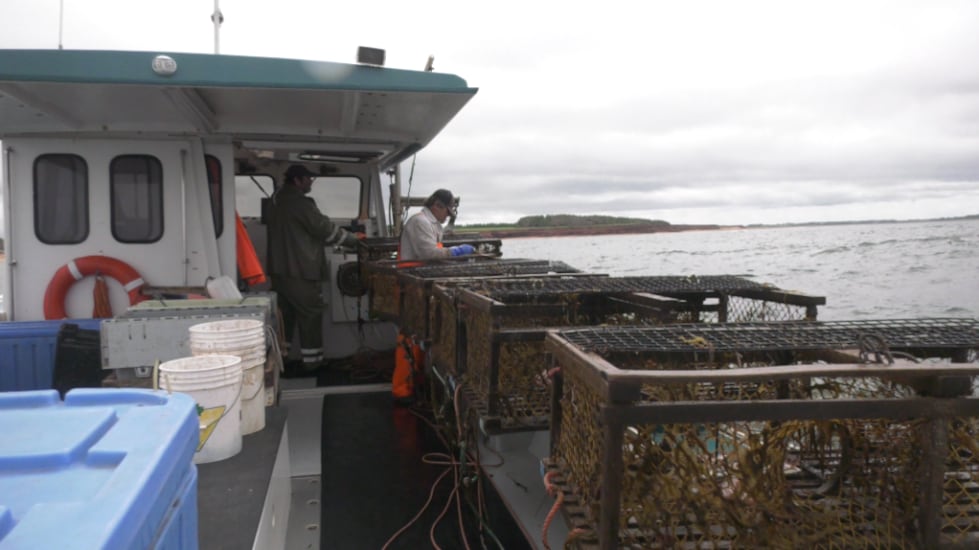
Lower prices, higher costs and scarce catches are pinching some P.E.I. lobster fishers during a tough spring for one of the Island’s most important industries.
Trap after trap, Timothy Wall is setting his gear farther from Malpeque Wharf, P.E.I. than usual, searching for lobster he can sell. The third-generation fisher says the cost of gas, bait and crew has doubled or tripled in some cases, while the price of lobster has dropped by about 20 per cent compared to five years ago. Cold weather and closures linked to right whale sightings, have also narrowed an already short window on the water.
“It’s been a bad season, probably one of the worst ones we’ve had in the last 10 or 12 years,” Wall said. “You’re not getting ahead right now.”
The math at the wharf
For each pound sold, Wall says he’s paid just over $7, but that needs to be closer to $10 to feel like a living wage.
Timing is part of the problem. P.E.I.’s spring lobster fishery overlaps with others across Atlantic Canada and Quebec, bringing more product to buyers at once. Wall says that can drive down shore prices in some parts of the Island.
Fishers in parts of other Maritime provinces can sometimes make more per pound he said, because they may be landing larger lobster or fishing when fewer areas are open.
A decade ago, selling about 100 pounds of lobster could cover Wall’s expenses. Now, he says it takes about 300 pounds. In a roughly eight-week fishery, that means more time spent trying to break even, rather than making a profit.
“That’s a real hardship for the young fellows getting into it,” Wall said, adding several fishers are carrying debt into the next year, missing payments or selling gear because they can’t keep up. “And some of the older fellows, well, maybe they’re just treading water.”
Weather and whale closures
The weather has also cost fishers time and revenue.
“Every second or third day, it seems like it’s storming this year,” Wall said. “That’s been the story of the season.”
The conditions have made lobster harder to catch, a concern also raised by Nova Scotia fishers earlier this spring.
“They just don’t seem to travel,” Wall said. “They don’t seem to move.”
Detections of North Atlantic right whales have also led Fisheries and Oceans Canada to impose three partial closures affecting lobster fishing areas in P.E.I. Those prohibitions include some of the Island’s main fishing spots along the north coast, facing the Gulf of St. Lawrence.
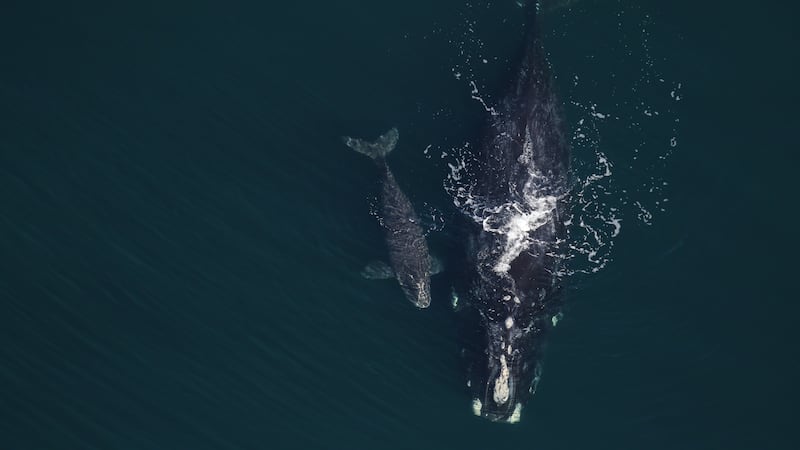
The closures spanned much of the season, leaving little room to make up lost time, said Ian MacPherson, executive director of the P.E.I. Fishermen’s Association.
“Across the board, it’s just been really challenging,” MacPherson said. “We don’t have a winter season or other times that some areas do. So it puts on a lot of financial pressure if you’re not able to meet your obligations for the balance of the year.”
Could lobster lovers pay more?
While harvester prices have been low in some parts of the province, MacPherson said the association is starting to see signs of stabilization.
A better return for people in the supply chain, could mean higher prices for consumers, but MacPherson said any increase has to be balanced against what buyers are willing to pay.
“We don’t want to price ourselves out of the market,” MacPherson said. “But the reality is, compared to other proteins, lobster is still excellent value. And we certainly like people to consider that when they’re making their purchases in the grocery store, fish shops or wherever they buy their seafood.”
Looking for fixes
The P.E.I. Fishermen’s Association has also been in Ottawa pushing political leaders for federal programs that would give fishers more support during difficult seasons, similar to the kind of risk-management tools available to the agriculture industry.
That could include targeted measures, like long-term financing options and short-term loans to help cover seasonal startup costs.
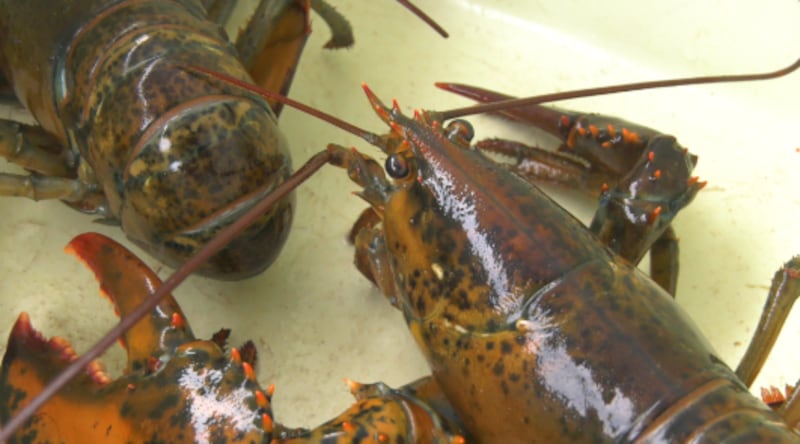
Wall said P.E.I. should also consider increasing the minimum carapace size, the shell measurement used to decide whether a lobster is large enough to keep.
He said much of the north shore catch, falls into the smaller canner category, which is worth less than larger market lobster. Raising the minimum size would mean returning more lobster to the water at first, but Wall believes it could lead to better returns in the years ahead.
He would also like to see a holding facility or co-operative, giving fishers a way to keep lobster for six to eight months and sell later, when fewer are on the market and prices may be higher.
For now, Wall is hoping the final stretch of the season can make up for a slow start. Otherwise, he said, more fishers may be left carrying this year’s debt into the next.

