After the U.S. and Iran say they’ve reached a tentative deal to end the war, Prime Minister Mark Carney is calling the conflict “worth it” if it means Iran does not have a nuclear weapon.
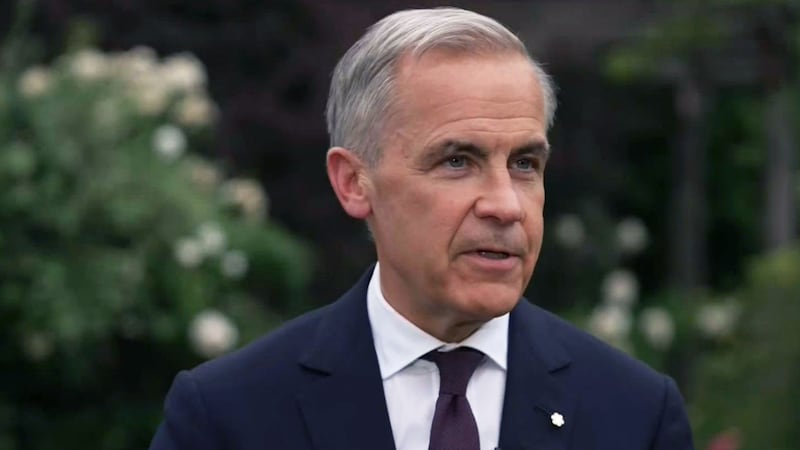
Carney made the remarks in an interview with CNN’s Kaitlan Collins at the G7 summit in Évian-les-Bains, France, on Tuesday, when asked directly if the war was “worth it in Canada’s view.”
“I’ve always believed that (Iran is) the biggest exporter of terror,” Carney told CNN. “It was hell-bent, sorry if I can say that, on getting a nuclear weapon, and the force multiplier on that was terrible.”
“Lots needs to happen,” Carney later added. “We all have to support (the deal). But moving to this position, where that’s been taken off the table. Yes, that’s worth it.”
The U.S. and Iran announced a tentative agreement late Sunday, which will extend a ceasefire for another 60 days, during which all sides will negotiate details of a final agreement.
But further details within the deal, which U.S. Vice-President J.D. Vance described as “about a page and a half,” have yet to be released publicly.
Speaking to CNN, Carney said he has seen the deal, which he described as a “reasonable length.” He also called it a “game-changer.”
“I have to say it’s exceeded my expectations. We’re very pleased with the deal that’s been struck,” Carney said. “It sets the groundwork to ensure Iran doesn’t have a nuclear weapon. It sets the groundwork for a reintegration over time of the economies in the region. It sets the groundwork for a solution in Lebanon, which we discussed today. So, it’s positive.”
Pressed by CNN for further details, Carney said it is “well-structured” and performance-based with financial incentives. He also said “regional countries are behind it.”
Iran’s top diplomat, though, said on Tuesday that the deal would require Israel to withdraw from Lebanon, which Israel has already rejected.
In a closing press conference at the G7 on Wednesday, Carney elaborated on why he believed the deal is a “game-changer,” saying there has been a shift in tone.
“I referenced the discussions we had on Ukraine, on Lebanon and the change in tone with respect to Ukraine,” Carney said to reporters. “The change in orientation, a more realistic in our view expectation of where this war was going to go, and the position against Russia.”
Carney’s latest comments follow an evolving stance on the conflict, which has killed thousands across the region and triggered a global energy crisis.
Immediately after the U.S. and Israel first struck Iran on Feb. 28, Carney said in a statement that “Canada supports the United States acting to prevent Iran from obtaining a nuclear weapon and to prevent its regime from further threatening international peace and security.”
Days later, Carney then criticized the U.S. for not engaging or consulting with allies before its airstrikes, but still affirmed his support of the conflict “with regret.”
Will Canada help with Strait of Hormuz?
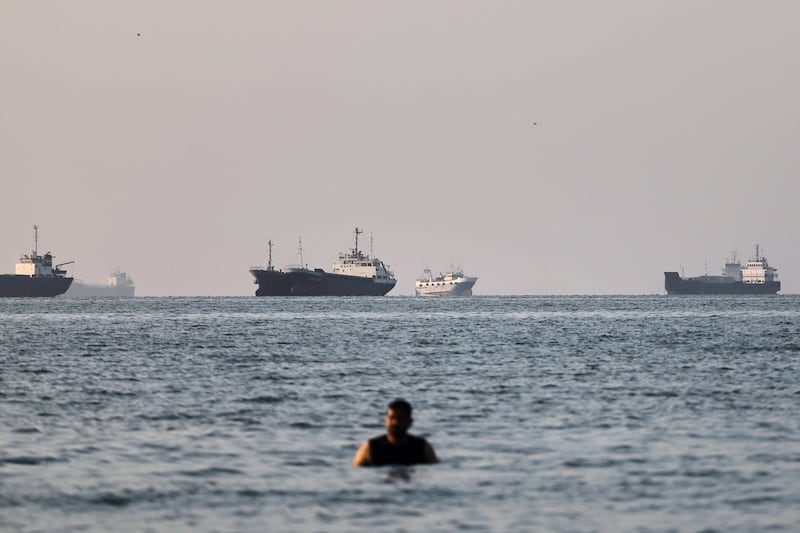
U.S. President Donald Trump has said the tentative agreement includes a provision to reopen the Strait of Hormuz by Friday. The strait, which transports about a fifth of the world’s oil and gas supplies, has effectively been closed since the war began.
The federal government previously said it would be prepared to help restore shipping in the strait.
While speaking to CNN, Carney said Canada “will help as we can.”
“We’re not a big regional naval power. We have some assets that we can help with this. We can do some stuff on monitoring, but importantly, we can do things on the financial side,” the prime minister said.
An official signing ceremony of the tentative deal will take place on Friday in Geneva, Switzerland, after which talks will continue to find a permanent agreement.
With files from CTV News’ senior political correspondent Mike Le Couteur

