
Allergy season is in full swing and a late start to spring has some people feeling worse than in previous years.
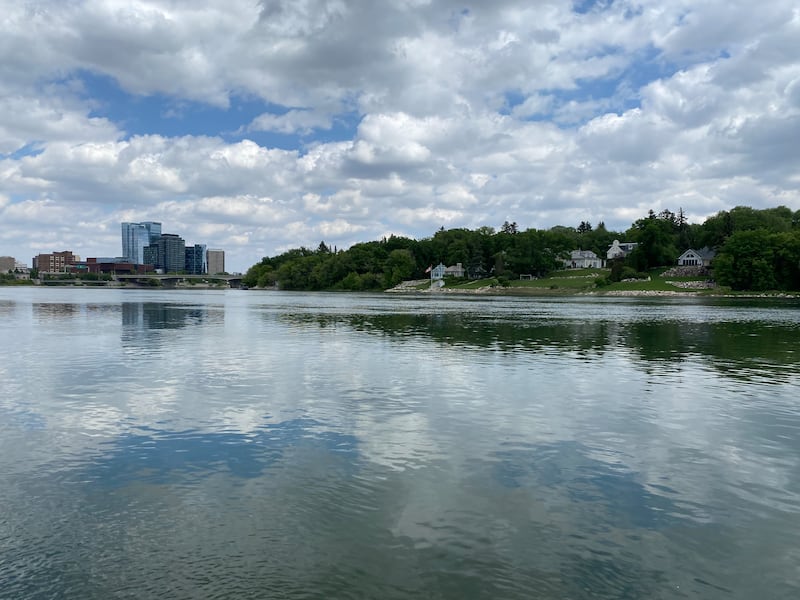
In Saskatchewan, the pollen count is double what it was last year, which is bad news for those who have seasonal allergies.
“This allergy season is more intense than usual,” said Jill Hubick, registered nurse and certified respiratory educator with Lung Saskatchewan.
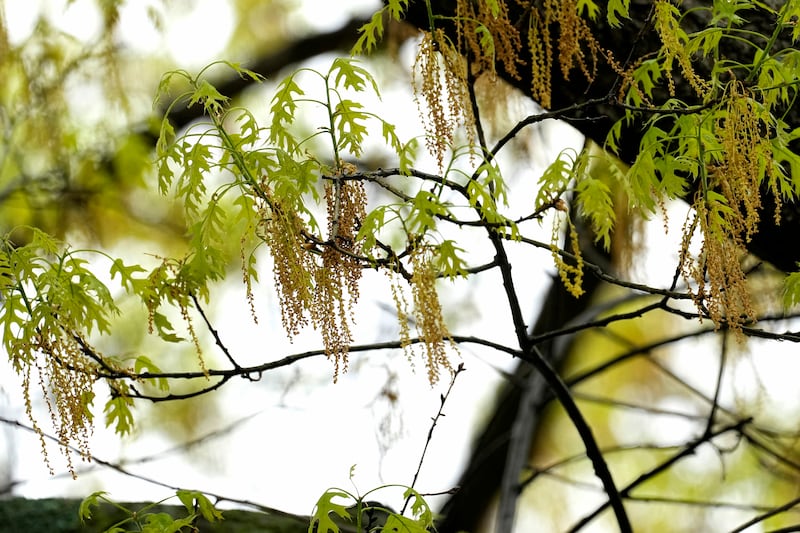
The delayed spring in most parts of the country produced heavy, intense pollen in a shorter-than-usual time period, according to experts.
Typically, different trees bloom at different times throughout the spring, which staggers the release of pollen. As the summer progresses, grass and weeds then release their pollen.
“This year in particular, Saskatchewan had a very late melt and then a sudden warmup, so everything started blooming at once,” Hubick said.
Overall, pollen counts in Canada are twice as high as they were 35 years ago. Climate change is a contributing factor.
“Pollen loves heat,” said Daniel Coates, director of Aerobiology Research Laboratories in Ottawa. “When you have longer periods of warm weather, you’re going to have a lot more pollen.”
Seasonal allergies affect about 25 per cent of Canadians, according to Coates. More pollen can mean worse symptoms for those with allergies.
“It can be extremely debilitating for many people,” he said. “People feel like they have a constant cold, itchy, watery eyes, a stuffy nose and chest congestion depending on how bad it is.”
For those with asthma, allergies can make it harder to control their condition.
“The good news is there are so many things that we can do to make ourselves feel better,” Hubick said.
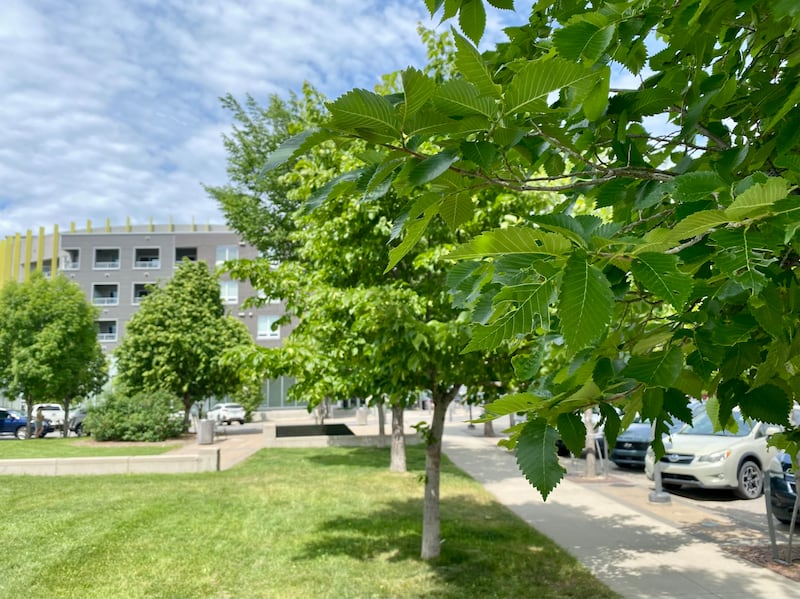
Pollen counts tend to be higher in the morning and on hot, dry, windy days, according to Hubick. People with allergies should try to avoid being outdoors during peak times.
When going outside, Hubick recommends wearing a hat, wrap-around sunglasses, long sleeves, pants and even an N95 mask. Once people get back indoors, they should shower and change their clothes.
“Try not to bring the outside allergens inside,” she said.
Keeping doors and windows closed also helps.
Over-the-counter and prescription medications can also help relieve symptoms, which is why Coates says it’s important to know what triggers your allergies.
“We always recommend find(ing) out what you’re allergic to. Talk to your doctor. Get in touch with an allergist and then know when it’s in the air and how much is in the air,” he said.
“It’s astonishing how many Canadians, or people in general, do not know what they’re allergic to.”
Coates recommends using apps like Allergy Sufferers to help track how much pollen is in the air.
Based on pollen data, these are the best places to live in Canada for people who suffer from seasonal allergies:
- St. John’s, N.L.
- Saint John, N.B.
- Moncton, N.B.
- Regina, Sask.
- Halifax, N.S.
Some of the worst places to live for seasonal allergies are in Ontario due to the heavy tree season. The province also has one of the worst weed seasons in the country, partly due to the amount of ragweed, Coates said.
These are the top five places Canadians with seasonal allergies should avoid:
- Windsor, Ont.
- Hamilton, Ont.
- Barrie, Ont.
- Victoria, B.C.
- Kingston, Ont.
Coates says Canadians are through the worst of the tree pollen season, but grass pollen season is just starting.
“If we stay balanced without a lot of extreme heat … we should see quite a bit of grass pollen this year,” he told CTV News.
Canada’s allergy season typically starts mid to late March and ends late October or early November depending on where you live.
However, pollen season has changed dramatically over the last decade, Coates said. Some years the season starts two to three weeks earlier and other years it can end two to three weeks later.

