Two Canadian children’s hospitals have issued safety warnings about electric scooter injuries, cautioning riders to consider the risks of what could be life-changing accidents.
“This is not a toy, and it needs to be treated as such,” Montreal Children’s Hospital director of injury prevention Debbie Friedman told CTV News. “We are seeing traumatic brain injuries, facial trauma, abdominal trauma, fractures, lacerations. These are serious injuries.”
That call was echoed by BC Children’s Hospital, which says most hospital visits due to e-scooter injuries are among children aged 13 to 15.
In Quebec, e-scooter use is allowed for those 14 and older, while in most other jurisdictions, those 16 and older get the green light. Still, many of the patients rushed to emergency rooms are younger than those ages.
“Over half are not wearing helmets, 59 per cent are riding over the speed limit of 25 km/h, so we want people to be aware of the inherent risks of riding e-scooters,” said Dr. Shelina Babul, director of the BC Injury Research and Prevention Unit at BC Children’s Hospital.
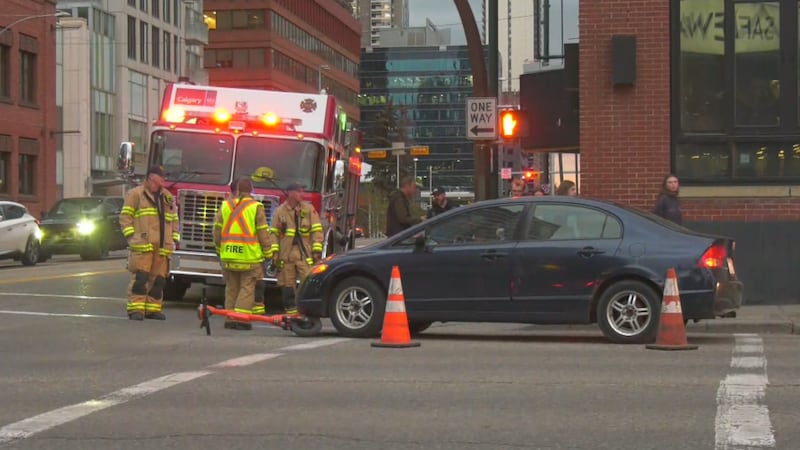
On June 10, a 12-year-old riding an e-scooter in North Vancouver was taken to hospital with minor injuries after a collision with a vehicle. The RCMP handed the child’s guardian a ticket for allowing a person under the age of 16 to operate an electric kick scooter.
“Police, first responders and medical professionals have been raising the alarm on the dangers of e-scooters and the serious injuries they could cause,” said North Vancouver RCMP media relations officer Cpl. Mansoor Sahak in a statement. “While we continue to educate, enforcement actions have increased and we are holding parents accountable.”
The Children’s Hospital of Eastern Ontario (CHEO) numbers show hospital visits due to e-scooter injuries rose 50 per cent, from 18 in 2023-24 to 36 in 2024-25. That trend appears to be continuing as the devices grow in popularity.
In April, a 14-year-old boy was taken to CHEO in Kanata, Ont. At the time, paramedics said the boy was struck by a vehicle making a turn.
“They are not sized for children; they are sized for adults,” said Bike Ottawa’s Rob Attrell. “So you end up driving something that is potentially too large for you and that also has a very powerful motor that is capable of going a lot faster than you expect.”
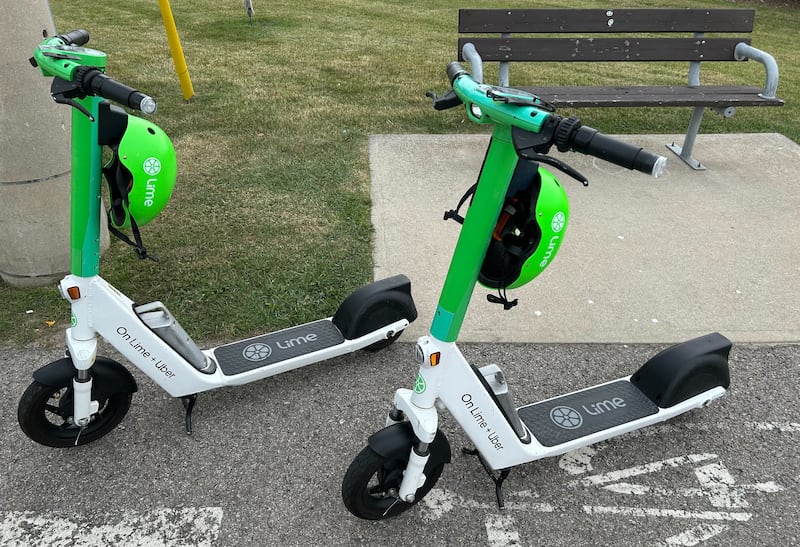
Health authorities also say adding micromobility devices such as e-scooters and e-bikes to traffic carries inherent risks, and adults need to exercise caution as well. A man in his 50s was killed and another, in his 20s, was seriously injured in the Ottawa region this week.
Montreal Children’s Hospital says doctors are confronting a higher number of e-scooter injuries and are also seeing more severe cases.
“Last year, we saw close to 80 cases in our emergency department, with just under 10 per cent requiring hospitalization for more severe injuries,” said Friedman. “This year, that’s close to 20 per cent. That means injuries are extremely severe, requiring the involvement of many trauma specialists, and in some cases (result in) an uncertain outcome. That cost is real.”
A patchwork of regulations is in place across the country. In Quebec, in addition to allowing younger children to ride, the maximum speed is 25 km/h while some other jurisdictions have adopted a 20 km/h limit.
“My sense is that a lot of people are not aware of regulation and are to a certain degree treating e-scooters as if they are a toy on our roads,” said Friedman.
She is urging riders to follow regulations, and for authorities to consider the risks. Quebec has, for now, allowed e-scooters and other motorized personal mobility devices as part of a pilot project that is set to end this summer.

