Promising to “unlock (Canada’s) full potential as an energy superpower,” the federal government unveiled its new Nuclear Energy Strategy on Monday, including its hopes to export more Canadian reactors and enable the construction of up to 10 new ones in Canada.
The 23-page strategy is structured around four pillars: enabling new builds, being a supplier and exporter of choice, expanding uranium production and nuclear fuel opportunities, and developing new nuclear innovations.
The Liberal government signalled earlier this year that the strategy would be coming. It follows the release of its Clean Electricity Strategy last month.
“Nuclear energy is essential to powering Canada’s future,” reads a press release from Natural Resources Canada. “It provides non-emitting, dependable baseload power, backed by a strong domestic supply chain built on over 70 years of Canadian expertise, innovation and intellectual property.”
The document also includes a slate of key objectives, including to “ensure a modernized, cost-competitive CANDU (Canada Deuterium Uranium) design is available by 2030,” and to “enable construction of up to ten new large-scale reactors within Canada, with two under construction by 2035 and five more planned or under development by 2040.”
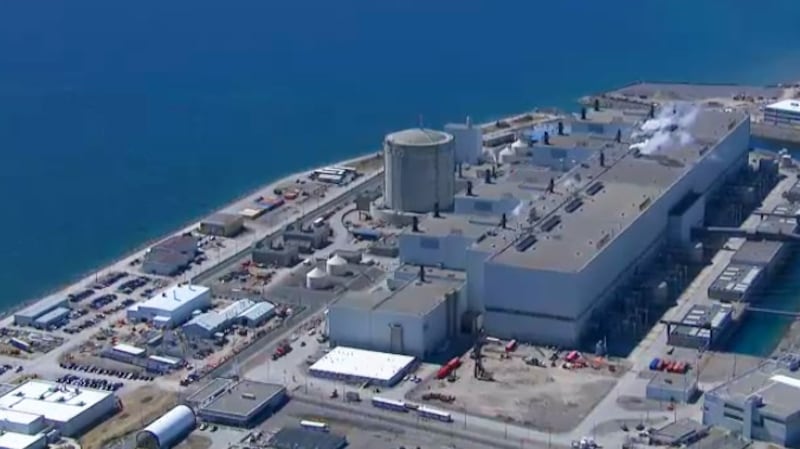
Citing it as an example of the type of project the strategy will help advance, the press release pointed to the Darlington New Nuclear Project, one of the 15 initiatives under the Major Projects Office.
“Canada has long been a nuclear leader — and we will continue to lead, under our new Nuclear Energy Strategy,” wrote Energy and Natural Resources Minister Tim Hodgson in a release ahead of the announcement. “Together with all members of Team Canada, we are taking action to ensure we have a co-ordinated, strategic approach to diversifying nuclear industry exports and bringing economic growth and security and affordable, reliable power to all Canadians.”
The strategy does not include any earmarked funding for specific projects or initiatives. In a technical briefing to reporters ahead of Hodgson’s announcement on Monday, a Natural Resources Canada spokesperson said the federal government has other avenues — such as the Canada Growth Fund and the Canada Infrastructure Bank — if a nuclear project needs funding, but that the type of capital investment in the aggregate that could be required could exceed $100 billion.
Prime Minister Mark Carney has not been involved in any part of the strategy’s development, according to Natural Resources Canada, because of a conflict-of-interest screen.
Speaking to reporters on Monday ahead of Hodgson’s press conference, Conservative Leader Pierre Poilievre said: “an announcement will not build anything.”
“This is the problem we’ve had with the Carney Liberals, is their promises are being reported on as results, and so far there have been no results,” Poilievre also said.

